
Bantu Gazette

Bantu Gazette
  • Policy & Governance
  • Development & Impact
  • Business, Trade & Economy
  • Energy
  • Changemakers
  • Culture & Identity
  • Perspectives
  • Magazine
Menu
  • Black Frame Studio
  • Magazine

Zimbabwe Expands Health Workforce to Advance Universal Health Coverage

Government and WHO-backed reforms are expanding the health workforce through recruitment, training and retention initiatives, with a focus on underserved communities

Zimbabwe Expands Health Workforce to Advance Universal Health Coverage

Zimbabwe strengthens health workforce to advance universal health coverage

Naledi Kgosiby Naledi Kgosi
July 14, 2026
Reading Time: 2 mins read

Zimbabwe Expands Health Workforce to Advance Universal Health Coverage

Government and WHO-backed reforms are expanding the health workforce through recruitment, training and retention initiatives, with a focus on underserved communities

Zimbabwe Expands Health Workforce to Advance Universal Health Coverage

Zimbabwe strengthens health workforce to advance universal health coverage

Zimbabwe Expands Health Workforce to Advance Universal Health Coverage

Zimbabwe strengthens health workforce to advance universal health coverage

Naledi Kgosiby Naledi Kgosi
July 16, 2026
Reading Time: 2 mins read

HARARE

Zimbabwe is strengthening its health workforce through new recruitment, training and investment initiatives aimed at improving access to quality health services and advancing universal health coverage (UHC), with support from the World Health Organization (WHO) and the UHC Partnership.

The country continues to face a critical shortage of health workers. In 2022, Zimbabwe had about 23 doctors, nurses and midwives per 10,000 people, less than half the WHO-recommended benchmark of 45 per 10,000 needed to achieve universal health coverage.

To address the gap, the government conducted a Health Labour Market Analysis in 2022 with support from WHO and the UHC Partnership.

The findings informed Zimbabwe’s Health Workforce Strategy and the Health Workforce Investment Compact, which brings together government, development partners, training institutions and international organizations to coordinate workforce planning, financing and management.

Health and Child Care Minister Dr. Douglas Mombeshora described the strategy and investment compact as “a pivotal step” in translating commitments into action and strengthening Zimbabwe’s health system.

The compact outlines a US$1.63 billion investment framework for 2024–2026, with the government committing to finance about 75% of the required resources.

Since its launch in October 2024, it has helped accelerate key reforms, including the approval of 14,060 additional public health worker posts.

More than 5,000 health workers were recruited in 2025, while another 8,775 positions are expected to be filled in 2026.

Recruitment has prioritized unemployed medical graduates and critical cadres such as nurses, midwives, pharmacists and laboratory technicians.

Additional investments are supporting rural retention, village health workers, leadership development and e-learning.

WHO Representative to Zimbabwe Dr. Desta Tiruneh said WHO has supported the government from conducting a comprehensive health labour market analysis to facilitating policy dialogue and investment planning.

He said these efforts are helping build “a resilient, motivated and well-supported workforce” capable of advancing universal health coverage.

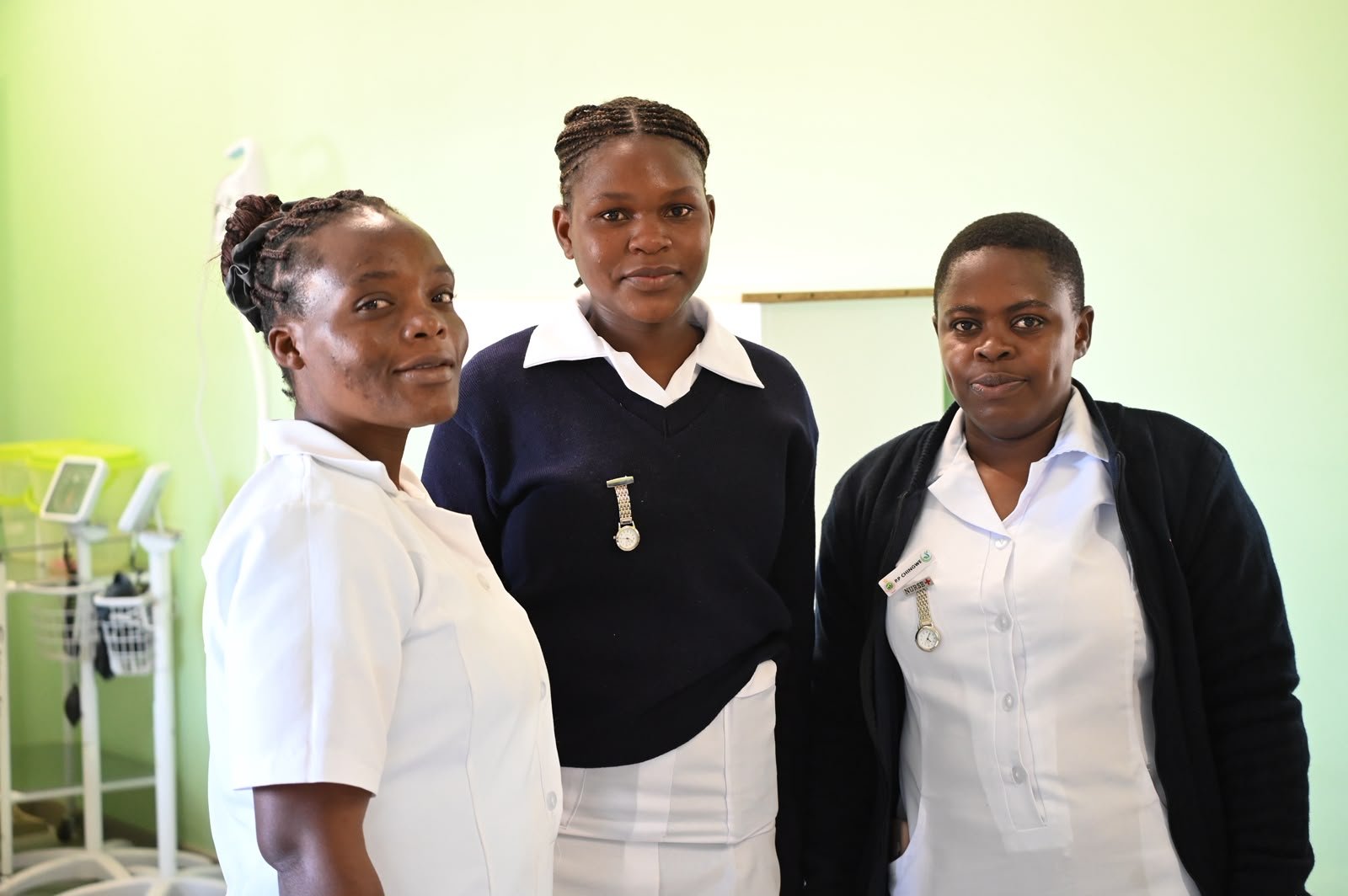
The impact is already being felt by frontline health workers. Audrey Musorowembudzi, a primary health care nurse at Hurungwe Rural Hospital, recently completed training on integrated care for women’s cancers.

She said the training would make her work “more effective than before” and that she plans to share the knowledge with colleagues “to ensure that everyone is informed and no woman is left behind.”

According to WHO, these investments are contributing to increased health workforce density and strengthening the country’s capacity to deliver quality care, particularly in rural and underserved communities.

Get the inside Story

Stay informed on the stories shaping Africa’s future. Get breaking news, in-depth analysis, opinions and exclusive insights from across the continent delivered to your inbox, free and unfiltered.


Get in touch for more:
Felix Tih
Editorial Director, Bantu Gazette
WhatsApp
LinkedIn
X (Twitter)
Instagram

Related Posts

Ghana Strengthens Clinical Trial Capabilities to Improve Health Preparedness
Development & Impact

Ghana Strengthens Clinical Trial Capabilities to Improve Health Preparedness

September 23, 2026
Water Security Moves from Commitment to Implementation at AU Public Lecture
Development & Impact

Water Security Moves from Commitment to Implementation at AU Public Lecture

September 22, 2026
Nairobi 2029 Puts Africa at the Heart of World Athletics
Development & Impact

Nairobi 2029 Puts Africa at the Heart of World Athletics

September 18, 2026
Cameroonian Scholar Richard Munang Takes Helm of UN University Institute in Africa
Development & Impact

Cameroonian Scholar Richard Munang Takes Helm of UN University Institute in Africa

September 17, 2026
Dakar 2026 Olympic Flame Begins Historic Journey to Africa
Development & Impact

Dakar 2026 Olympic Flame Begins Historic Journey to Africa

September 12, 2026
Africa IP Day | One Market, Many Intellectual Property Systems. Can AfCFTA Bridge the Gap?
Development & Impact

Africa IP Day | One Market, Many Intellectual Property Systems. Can AfCFTA Bridge the Gap?

September 12, 2026

Most Recent

Senegalese Football Star Sadio Mané Launches $20 Million Agro-Processing Project in Bambali
Business, Trade & Economy

Senegalese Football Star Sadio Mané Launches $20 Million Agro-Processing Project in Bambali

by Doyinsola Ibidunni
September 25, 2026
0

Two-time Africa Cup of Nations winner Sadio Mané invests $20.4 million in a mango-processing project in his hometown of Bambali...

Read moreDetails
Ghana Strengthens Clinical Trial Capabilities to Improve Health Preparedness

Ghana Strengthens Clinical Trial Capabilities to Improve Health Preparedness

September 23, 2026
Water Security Moves from Commitment to Implementation at AU Public Lecture

Water Security Moves from Commitment to Implementation at AU Public Lecture

September 22, 2026
Policy Harmonization, Regional Trade Key to Closing Africa’s Energy Gap

Policy Harmonization, Regional Trade Key to Closing Africa’s Energy Gap

September 22, 2026
Peace Requires Investment in the People Who Sustain It

Peace Requires Investment in the People Who Sustain It

September 25, 2026
Kenya’s Agnes Ngetich Breaks World Half-Marathon Record in Copenhagen

Kenya’s Agnes Ngetich Breaks World Half-Marathon Record in Copenhagen

September 22, 2026
Mali’s $190 Million Power Project to Connect 10,000 Households

Senegal Advances National Energy Efficiency Strategy as Demand Rises

September 21, 2026
Senegalese Football Star Sadio Mané Launches $20 Million Agro-Processing Project in Bambali
Business, Trade & Economy

Senegalese Football Star Sadio Mané Launches $20 Million Agro-Processing Project in Bambali

by Doyinsola Ibidunni
Reading Time: 2 mins read
September 25, 2026
0

Two-time Africa Cup of Nations winner Sadio Mané invests $20.4 million in a mango-processing project in his hometown of Bambali...

Read moreDetails
Ghana Strengthens Clinical Trial Capabilities to Improve Health Preparedness
Development & Impact

Ghana Strengthens Clinical Trial Capabilities to Improve Health Preparedness

by Marina Bisse
Reading Time: 2 mins read
September 23, 2026
0

Ghana is developing its first national clinical trials strategy after 15 research and health institutions assessed their capacity with support...

Read moreDetails
Water Security Moves from Commitment to Implementation at AU Public Lecture
Development & Impact

Water Security Moves from Commitment to Implementation at AU Public Lecture

by Felix Tih
Reading Time: 4 mins read
September 22, 2026
0

AU institutions, academia and youth examined how stronger capacity, gender-responsive policy and innovation can advance water and sanitation commitments.

Read moreDetails

Zimbabwe Expands Health Workforce to Advance Universal Health Coverage

Government and WHO-backed reforms are expanding the health workforce through recruitment, training and retention initiatives, with a focus on underserved communities

Zimbabwe Expands Health Workforce to Advance Universal Health Coverage

Zimbabwe strengthens health workforce to advance universal health coverage

HARARE

Zimbabwe is strengthening its health workforce through new recruitment, training and investment initiatives aimed at improving access to quality health services and advancing universal health coverage (UHC), with support from the World Health Organization (WHO) and the UHC Partnership.

The country continues to face a critical shortage of health workers. In 2022, Zimbabwe had about 23 doctors, nurses and midwives per 10,000 people, less than half the WHO-recommended benchmark of 45 per 10,000 needed to achieve universal health coverage.

To address the gap, the government conducted a Health Labour Market Analysis in 2022 with support from WHO and the UHC Partnership.

The findings informed Zimbabwe’s Health Workforce Strategy and the Health Workforce Investment Compact, which brings together government, development partners, training institutions and international organizations to coordinate workforce planning, financing and management.

Health and Child Care Minister Dr. Douglas Mombeshora described the strategy and investment compact as “a pivotal step” in translating commitments into action and strengthening Zimbabwe’s health system.

The compact outlines a US$1.63 billion investment framework for 2024–2026, with the government committing to finance about 75% of the required resources.

Since its launch in October 2024, it has helped accelerate key reforms, including the approval of 14,060 additional public health worker posts.

More than 5,000 health workers were recruited in 2025, while another 8,775 positions are expected to be filled in 2026.

Recruitment has prioritized unemployed medical graduates and critical cadres such as nurses, midwives, pharmacists and laboratory technicians.

Additional investments are supporting rural retention, village health workers, leadership development and e-learning.

WHO Representative to Zimbabwe Dr. Desta Tiruneh said WHO has supported the government from conducting a comprehensive health labour market analysis to facilitating policy dialogue and investment planning.

He said these efforts are helping build “a resilient, motivated and well-supported workforce” capable of advancing universal health coverage.

The impact is already being felt by frontline health workers. Audrey Musorowembudzi, a primary health care nurse at Hurungwe Rural Hospital, recently completed training on integrated care for women’s cancers.

She said the training would make her work “more effective than before” and that she plans to share the knowledge with colleagues “to ensure that everyone is informed and no woman is left behind.”

According to WHO, these investments are contributing to increased health workforce density and strengthening the country’s capacity to deliver quality care, particularly in rural and underserved communities.

Zimbabwe Expands Health Workforce to Advance Universal Health Coverage

Government and WHO-backed reforms are expanding the health workforce through recruitment, training and retention initiatives, with a focus on underserved communities

Zimbabwe Expands Health Workforce to Advance Universal Health Coverage

Zimbabwe strengthens health workforce to advance universal health coverage

Naledi Kgosiby Naledi Kgosi
July 14, 2026

HARARE

Zimbabwe is strengthening its health workforce through new recruitment, training and investment initiatives aimed at improving access to quality health services and advancing universal health coverage (UHC), with support from the World Health Organization (WHO) and the UHC Partnership.

The country continues to face a critical shortage of health workers. In 2022, Zimbabwe had about 23 doctors, nurses and midwives per 10,000 people, less than half the WHO-recommended benchmark of 45 per 10,000 needed to achieve universal health coverage.

To address the gap, the government conducted a Health Labour Market Analysis in 2022 with support from WHO and the UHC Partnership.

The findings informed Zimbabwe’s Health Workforce Strategy and the Health Workforce Investment Compact, which brings together government, development partners, training institutions and international organizations to coordinate workforce planning, financing and management.

Health and Child Care Minister Dr. Douglas Mombeshora described the strategy and investment compact as “a pivotal step” in translating commitments into action and strengthening Zimbabwe’s health system.

The compact outlines a US$1.63 billion investment framework for 2024–2026, with the government committing to finance about 75% of the required resources.

Since its launch in October 2024, it has helped accelerate key reforms, including the approval of 14,060 additional public health worker posts.

More than 5,000 health workers were recruited in 2025, while another 8,775 positions are expected to be filled in 2026.

Recruitment has prioritized unemployed medical graduates and critical cadres such as nurses, midwives, pharmacists and laboratory technicians.

Additional investments are supporting rural retention, village health workers, leadership development and e-learning.

WHO Representative to Zimbabwe Dr. Desta Tiruneh said WHO has supported the government from conducting a comprehensive health labour market analysis to facilitating policy dialogue and investment planning.

He said these efforts are helping build “a resilient, motivated and well-supported workforce” capable of advancing universal health coverage.

The impact is already being felt by frontline health workers. Audrey Musorowembudzi, a primary health care nurse at Hurungwe Rural Hospital, recently completed training on integrated care for women’s cancers.

She said the training would make her work “more effective than before” and that she plans to share the knowledge with colleagues “to ensure that everyone is informed and no woman is left behind.”

According to WHO, these investments are contributing to increased health workforce density and strengthening the country’s capacity to deliver quality care, particularly in rural and underserved communities.

Get the inside Story

Stay informed on the stories shaping Africa’s future. Get breaking news, in-depth analysis, opinions and exclusive insights from across the continent delivered to your inbox, free and unfiltered.


Get in touch for more:
Felix Tih
Editorial Director, Bantu Gazette
WhatsApp
LinkedIn
X (Twitter)
Instagram

Related Posts

Ghana Strengthens Clinical Trial Capabilities to Improve Health Preparedness

Ghana Strengthens Clinical Trial Capabilities to Improve Health Preparedness

by Marina Bisse
September 23, 2026
0

...

Water Security Moves from Commitment to Implementation at AU Public Lecture

Water Security Moves from Commitment to Implementation at AU Public Lecture

by Felix Tih
September 22, 2026
0

...

Nairobi 2029 Puts Africa at the Heart of World Athletics

Nairobi 2029 Puts Africa at the Heart of World Athletics

by Jane Mukami
September 15, 2026
0

...

Cameroonian Scholar Richard Munang Takes Helm of UN University Institute in Africa

Cameroonian Scholar Richard Munang Takes Helm of UN University Institute in Africa

by Felix Tih
September 15, 2026
0

...

Dakar 2026 Olympic Flame Begins Historic Journey to Africa

Dakar 2026 Olympic Flame Begins Historic Journey to Africa

by Aissatou Fall
September 10, 2026
0

...

Africa IP Day | One Market, Many Intellectual Property Systems. Can AfCFTA Bridge the Gap?

Africa IP Day | One Market, Many Intellectual Property Systems. Can AfCFTA Bridge the Gap?

by Felix Tih
September 10, 2026
0

...

Senegalese Football Star Sadio Mané Launches $20 Million Agro-Processing Project in Bambali
Business, Trade & Economy

Senegalese Football Star Sadio Mané Launches $20 Million Agro-Processing Project in Bambali

by Doyinsola Ibidunni
Reading Time: 2 mins read
September 25, 2026
0

Two-time Africa Cup of Nations winner Sadio Mané invests $20.4 million in a mango-processing project in his hometown of Bambali...

Read moreDetails
Ghana Strengthens Clinical Trial Capabilities to Improve Health Preparedness

Ghana Strengthens Clinical Trial Capabilities to Improve Health Preparedness

by Marina Bisse
September 23, 2026
0

Ghana is developing its first national clinical trials strategy after 15 research and health institutions assessed their capacity with support...

Water Security Moves from Commitment to Implementation at AU Public Lecture

Water Security Moves from Commitment to Implementation at AU Public Lecture

by Felix Tih
September 22, 2026
0

AU institutions, academia and youth examined how stronger capacity, gender-responsive policy and innovation can advance water and sanitation commitments.

Policy Harmonization, Regional Trade Key to Closing Africa’s Energy Gap

Policy Harmonization, Regional Trade Key to Closing Africa’s Energy Gap

by Felix Tih
September 22, 2026
0

African Union Commissioner Lerato Dorothy Mataboge calls for coordinated energy policies, investment and cross-border electricity trade to close Africa’s power...

Peace Requires Investment in the People Who Sustain It

Peace Requires Investment in the People Who Sustain It

by Mame Khady Louise Diouf
September 21, 2026
0

Mame Khady Louise Diouf calls for sustained investment in women, young people and local communities to strengthen mediation, build trust...

Next Post
Atlantic African States Adopt Cotonou Declaration to Boost Maritime Security and Green Trade

Atlantic African States Adopt Cotonou Declaration to Boost Maritime Security and Green Trade

TikTok Launches AI Literacy Hub in Kenya, Nigeria, South Africa as Part of Broader Safety Push

TikTok Launches AI Literacy Hub in Kenya, Nigeria, South Africa as Part of Broader Safety Push

Africa Ready to ‘Build and Deploy AI at Scale,’ President Kagame Tells UN Summit

Africa Ready to ‘Build and Deploy AI at Scale,’ President Kagame Tells UN Summit

New Africa-Wide Chief Economists Network Targets Stronger Policymaking

New Africa-Wide Chief Economists Network Targets Stronger Policymaking

Bantu Gazette is a pioneering news platform that champions Africa's development, culture, and heritage. We spotlight the continent's successes, address its challenges, and provide insightful coverage of events that shape its future.

Bantu Gazette is a pioneering news platform that champions Africa's development, culture, and heritage. We spotlight the continent's successes, address its challenges, and provide insightful coverage of events that shape its future.

Our Platforms

  • Bantu Magazine
  • Bantu Brief
  • Black Frame Studio

Our Services

  • Bantu Agency
  • Advertise
  • Partnerships

Our Services

  • Editorial Director
  • Opportunities
  • Contact

Bantu Gazette is a pioneering news platform that champions Africa's development, culture, and heritage. We spotlight the continent's successes, address its challenges, and provide insightful coverage of events that shape its future.

Our Platforms

  • Bantu Magazine
  • Bantu Brief
  • Black Frame Studio

Our Services

  • Bantu Agency
  • Advertise
  • Partnerships

Our Services

  • Editorial Director
  • Opportunities
  • Contact
Bantu Gazette
  • Energy & Trade
  • Finance
  • Health
  • Politics & Economy
  • Technology
  • Environment
  • Feature
  • Opinion
  • Changemakers
  • Tourism & Culture
  • Magazine