
ANTALYA, Türkiye
Africa must move beyond repeated climate commitments to ensure that global initiatives attract financing, survive changes in political leadership and deliver measurable results, the United Nations Economic Commission for Africa (ECA) said Tuesday.
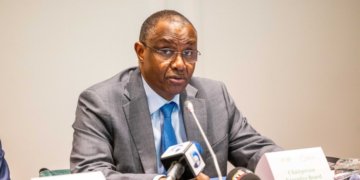
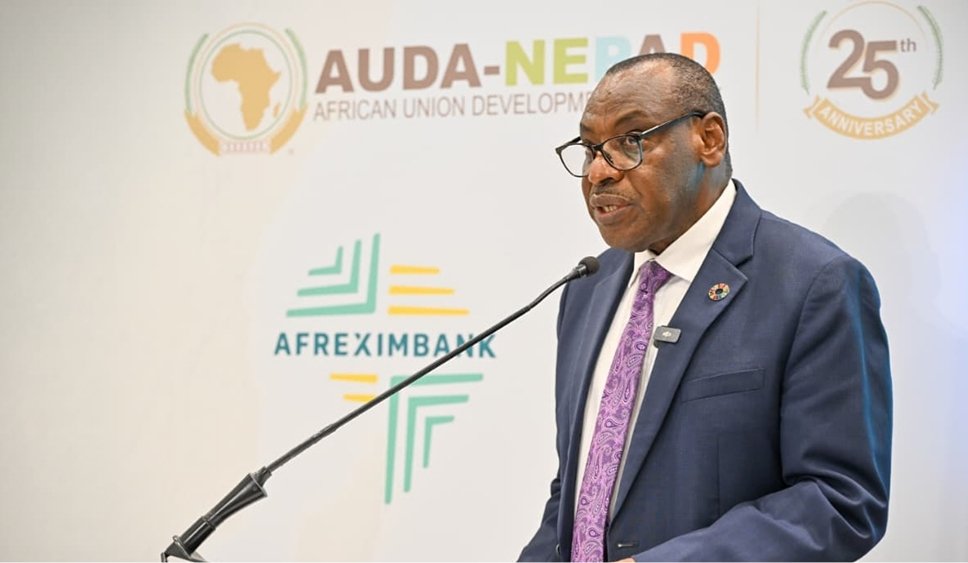
Speaking at a COP31 discussion at the Africa Pavilion in Antalya, ECA Executive Secretary Claver Gatete called for stronger institutional arrangements, predictable financing and transparent monitoring to accelerate the implementation of climate initiatives ahead of COP32 in Ethiopia.
The call comes amid growing concerns over the effectiveness of international climate initiatives, many of which struggle to sustain momentum after the Conference of the Parties (COP) presidency that launched them hands over leadership.
Gatete said a 2025 assessment by the Council on Energy, Environment and Water found that only 28% of 203 cooperative climate initiatives examined had dedicated budgets, highlighting persistent gaps between climate commitments and implementation.
Since the adoption of the Paris Agreement in 2015, nearly 500 cooperative climate initiatives have been launched, bringing together governments, international organizations, businesses, investors and civil society.
However, Gatete stressed that political commitments alone are insufficient to sustain climate action.
“Political leadership can bring governments, institutions and investors together, but implementation often takes years. Without clear institutional ownership, even promising initiatives can lose momentum when leadership changes,” he said.
He identified three priorities for improving implementation: establishing lasting institutional ownership, securing financing and ensuring that results are measurable and transparently reported.
The challenge is particularly urgent for Africa, where rising climate impacts are placing increasing pressure on national economies and development budgets.
According to figures cited by Gatete, the continent requires an estimated $277 billion annually to implement its nationally determined contributions through 2030, but current climate finance flows cover only about 11% of that requirement.
Climate-related impacts are costing some African countries an average of 5% of gross domestic product, while others are allocating as much as 9% of their national budgets to respond to extreme weather events.
Gatete warned that high borrowing costs are further constraining governments’ ability to invest in climate resilience, essential services and economic development.
“Climate financing must ease these pressures rather than deepen them, while supporting investment in resilience, energy access and economic growth,” he said.
He pointed to the COP31 presidency’s Climate Implementation Bridge as an opportunity to strengthen the connection between climate commitments and investment-ready projects.
Ethiopia, which is preparing to host COP32 in Addis Ababa, is among the initiative’s first five pilot countries.
Gatete said Ethiopia’s participation could strengthen project preparation and access to financing while generating practical lessons for the next global climate conference.
He emphasized that climate investment in Africa must also advance broader development priorities, including energy access, food security, resilient infrastructure, industrialization and job creation.
The ECA will continue working with the African Union, member states and development partners to advance those priorities, he said.
“As Ethiopia prepares to host COP32, we must put these lessons to work, strengthening the institutions, financing and partnerships needed to sustain climate initiatives and deliver results for African countries and communities,” Gatete said.