

Ghana is taking steps to strengthen its clinical trials capacity following an assessment of 15 public and private research and health institutions, the World Health Organization Regional Office for Africa said Tuesday.
The assessment, supported by WHO and the National Vaccine Institute (NVI), with funding from the European Union-funded Vax & Pharm Initiative, will inform the development of Ghana’s first national strategy for advancing clinical trials.
The initiative aims to strengthen the country’s ability to conduct and oversee high-quality clinical trials, accelerate health innovation and improve preparedness for future health emergencies.
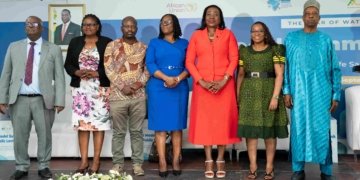
The assessment began with a three-day workshop that brought together representatives from the 15 institutions, including women scientists, research leaders and private sector representatives.
Participants were introduced to a draft WHO benchmarking tool designed to help institutions identify strengths and gaps in their capacity to plan, conduct and oversee clinical trials.
Following the workshop, the institutions conducted self-assessments covering governance, infrastructure, workforce capacity and quality management, with technical support from WHO and NVI experts.
“The benchmarking tool provides institutions with a structured framework to assess their capacity, identify gaps and establish a clear roadmap for improvement,” said Dr. Susan Adu-Amankwah, clinical research coordinator and institutional quality manager at the Noguchi Memorial Institute for Medical Research.
Ghana is among the countries participating in a multicountry pilot of the draft WHO Clinical Trials Ecosystem Benchmarking Tool. Findings from participating countries will help WHO refine the tool to reflect different national contexts.
The findings from Ghana’s institutional assessments were subsequently reviewed and validated by all 15 participating institutions.
The validated findings will inform a national strategy to strengthen clinical trials governance, infrastructure, workforce capacity, quality management systems and research partnerships.
WHO said the initiative demonstrated the importance of collaboration and inclusive scientific leadership, with women researchers actively involved throughout the training, assessment and validation process.
The organization reaffirmed its commitment to supporting Ghana’s efforts to strengthen clinical trials capacity and expand equitable access to vaccines and other lifesaving health technologies.