

ADDIS ABABA, Ethiopia
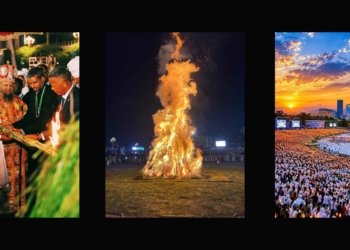
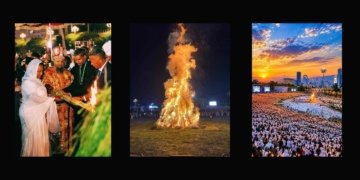
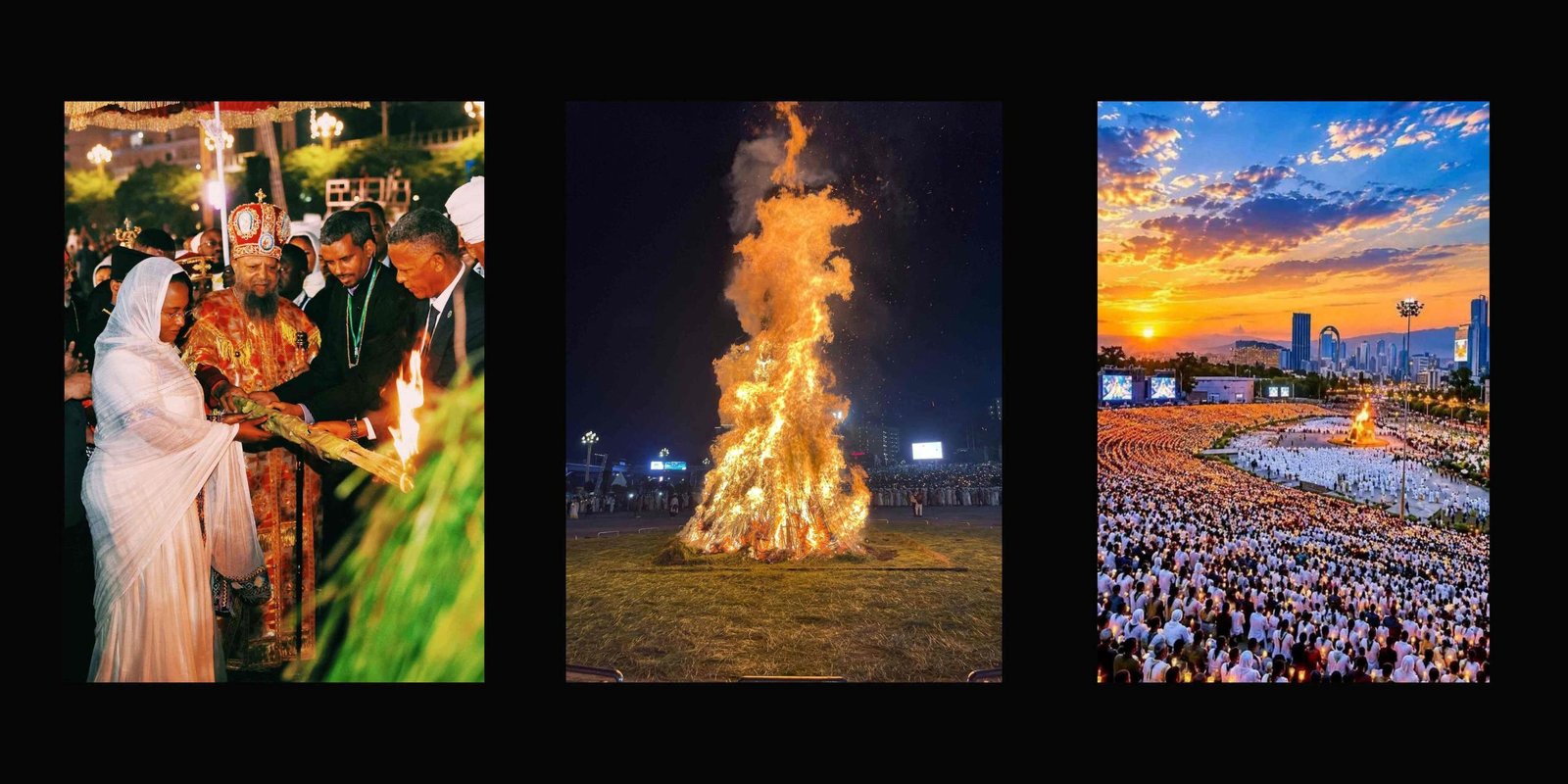
Flames from the traditional Demera bonfire lit up Meskel Square in Addis Ababa as large crowds gathered to celebrate Meskel, one of Ethiopia’s most cherished religious festivals.
Amid the faith, tradition and celebration, worshippers, residents and visitors joined religious and government leaders in calls for peace, forgiveness and unity.
Endale Tessema, a longtime Addis Ababa resident, said the annual celebration offers both spiritual meaning and an opportunity to reflect on Ethiopia’s future.
“Meskel is a sacred occasion that every Ethiopian looks forward to with great anticipation,” Tessema said. “Beyond its international recognition as a global cultural heritage site, the cross symbolizes our peace, power and resilience.”
Tessema said the patience and faith associated with the story of St. Helena’s search for the True Cross also carry a lesson for Ethiopians confronting challenges today.
“Just as Queen Helena prioritized her spiritual mission through patience and faith, we must prioritize national peace today,” he said. “When we gather to celebrate, our primary concern must be the safety, stability and peaceful future of our nation.
Meskel commemorates the discovery of what Christian tradition holds to be the True Cross of Jesus Christ by St. Helena, mother of Roman Emperor Constantine, in the fourth century.
According to tradition, Helena was guided by smoke from a bonfire to the location in Jerusalem where the cross was believed to have been buried.
The annual commemoration of Meskel in Ethiopia was inscribed by UNESCO in 2013 on its Representative List of the Intangible Cultural Heritage of Humanity. The Demera bonfire remains a central part of the celebration.
Tomek Barnier, a visitor from France attending the festival for the first time, said he was struck by the atmosphere and the sight of people gathering for the celebration.
“I was not fully aware of the historical background before arriving, so I came to Meskel Square to see the gathering firsthand,” Barnier told Bantu Gazette.
“It is truly remarkable to see so many people coming together in such a peaceful and joyful atmosphere. Witnessing this ancient tradition alive in a modern city is a fascinating and unforgettable experience,” he said.
Calls for peace and reconciliation
During the ceremony, His Holiness Abune Mathias, patriarch of the Ethiopian Orthodox Tewahedo Church, urged Ethiopians to work for lasting national peace and confront the country’s challenges with patience and a long-term perspective.
“As Orthodox Christians, our faith teaches us peace,” Ermias Meseret said. “When we celebrate this holiday, we should strive to live in peace.”
Citing the biblical teaching to live at peace with others whenever possible, Ermias said differences should not prevent Ethiopians from living together.
“Regardless of differences in religion, region or ethnicity, we can live together in peace because, above all, we are all human,” he said.
Zerihun Fikadu, who was born and raised in Addis Ababa, said Meskel is closely connected with his identity and heritage.
He said young Ethiopians have a particular responsibility to address differences through dialogue rather than violence.
“As young people, we have a duty to approach our differences with maturity,” Fikadu said. “We must fix our problems through peaceful talk rather than conflict. There is no issue too difficult to resolve if we sit down together and discuss our concerns honestly.”
He also said the spirit of the holiday should extend to people struggling economically.
“As we celebrate, we must support one another economically and extend a helping hand to those in our communities who are facing hardship,” Fikadu said.
Addis Ababa Mayor Adanech Abiebie also drew on the symbolism of the Demera bonfire in calling for forgiveness and solidarity.
“When the Demera is lit, the brightness overcomes the darkness,” Adanech said. “In the same way, genuine forgiveness brings peace to our hearts and our country.”
She said Ethiopia’s diversity of languages, cultures and identities should be accompanied by a commitment to unity and cooperation.
“Let this occasion inspire us to work together in a spirit of mutual care, cooperation and lasting solidarity,” she said.
Prime Minister Abiy Ahmed also extended Meskel greetings to Ethiopians, highlighting the religious, cultural and social significance of the celebration. “Let us strive to bring together and combine Ethiopia’s capabilities to create greater national strength,” Abiy said.
The calls for peace carry particular significance as Ethiopia faces continuing security challenges, including renewed fighting between government forces and the Tigray People’s Liberation Front (TPLF).
The Ethiopian government and the Tigray People’s Liberation Front fought a two-year war that began in November 2020.
The federal government and Tigrayan forces signed a peace agreement in Pretoria, South Africa, in November 2022, formally ending major hostilities. Political disputes and security concerns have continued since the agreement, while other parts of Ethiopia have also experienced armed conflict and instability.
Against that backdrop, the gathering at Meskel Square placed a contemporary message alongside a centuries-old tradition, with worshippers and visitors celebrating their faith and heritage while expressing hopes for reconciliation, solidarity and lasting peace.