
Bantu Gazette

Bantu Gazette
  • Policy & Governance
  • Development & Impact
  • Business, Trade & Economy
  • Energy
  • Changemakers
  • Culture & Identity
  • Perspectives
  • Magazine
Menu
  • Black Frame Studio
  • Magazine

Morocco Bets on Sports Hosting to Drive Growth and Gender Equity

Morocco's sports hosting boom has built global ambitions, but questions over public spending, stadium use and women's representation will shape its legacy after 2030.

Morocco Bets on Sports Hosting to Drive Growth and Gender Equity

FIFA U-17 Women’s World Cup

Doyinsola Ibidunniby Doyinsola Ibidunni
October 8, 2026
Reading Time: 4 mins read

Morocco Bets on Sports Hosting to Drive Growth and Gender Equity

Morocco's sports hosting boom has built global ambitions, but questions over public spending, stadium use and women's representation will shape its legacy after 2030.

Morocco Bets on Sports Hosting to Drive Growth and Gender Equity

FIFA U-17 Women’s World Cup

Morocco Bets on Sports Hosting to Drive Growth and Gender Equity

FIFA U-17 Women’s World Cup

Doyinsola Ibidunniby Doyinsola Ibidunni
October 8, 2026
Reading Time: 4 mins read

Morocco has emerged as a major hub for continental and international sports events, particularly football, following years of investment in hosting, infrastructure and institutional development.

The country hosted the African Nations Championship in 2018, the Women’s Africa Cup of Nations in 2022 and the FIFA Club World Cup in 2023. It went on to stage the 2025 Africa Cup of Nations and the 2026 Women’s Africa Cup of Nations.

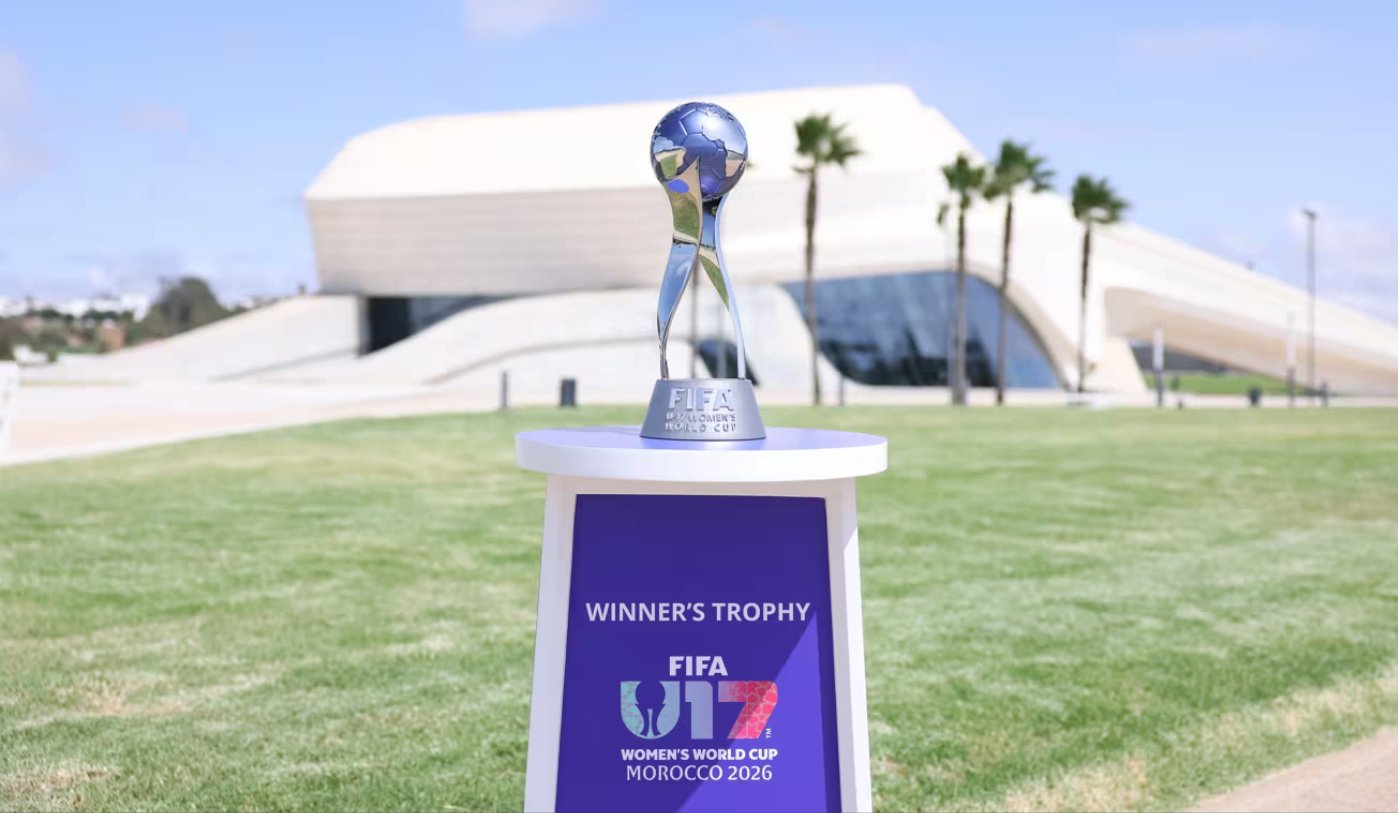
Morocco’s hosting calendar continues this month with the FIFA U-17 Women’s World Cup. The 2026 tournament, featuring 24 teams, will run from Oct. 17 to Nov. 8. Morocco began hosting the competition in 2025, when the International Federation of Association Football (FIFA) introduced an annual format for the tournament, and will continue to host it each year through 2029.

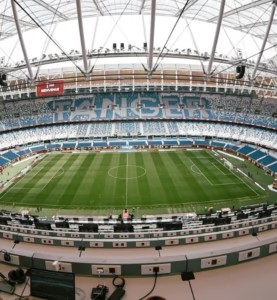
Its ambitions extend to the 2030 FIFA World Cup, which it will co-host with Spain and Portugal. Ahead of the tournament, Morocco established Fondation Maroc 2030 to coordinate major transport, stadium and tourism infrastructure projects.

Dr. Christos Anagnostopoulos, associate professor and UNESCO chair in governance and social responsibility in sport, said Morocco’s rise reflects decades of planning.

“The short answer is patience,” he said, noting that Morocco first bid for the World Cup in 1989 and continued pursuing hosting opportunities after repeated rejections.

“While waiting, it hosted whatever it could,” he said. “By the time the World Cup arrived, hosting was routine.”

He also pointed to Morocco’s decision to establish Fondation Maroc 2030 as important for maintaining institutional knowledge beyond election cycles.

“Other African countries can copy that structure far more easily than they can copy the stadiums,” he said.

Economic ambitions and risks

Morocco’s sports strategy is closely connected to its tourism and infrastructure ambitions. Government data showed a record 19.8 million tourist arrivals in 2025, up 14% from the previous year, with tourism revenue reaching 124 billion dirhams.

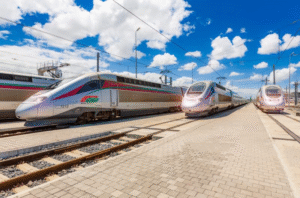
An International Monetary Fund (IMF) assessment noted that Morocco’s connectivity and tourism-related infrastructure investments will total 190.3 billion dirhams between 2024 and 2030, including railways, highways and airports.
Anagnostopoulos cautioned against relying solely on government estimates of tournament returns.

“Be careful with the big numbers,” he said. “No host government has ever announced that a tournament lost money, so I would wait for an independent assessment.”

He said tourism growth provides a stronger case for long-term benefits, particularly if visitors are drawn beyond established destinations such as Marrakech and Agadir.

Infrastructure may also have a longer life than the tournaments themselves. Airport capacity is expected to increase from 30 million to 80 million passengers by 2030 as part of broader investment in rail, roads, airports and stadiums.

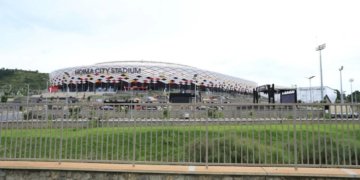
Still, Anagnostopoulos warned about government borrowing and the long-term cost of maintaining major venues. He highlighted the planned stadium at Benslimane, which is expected to hold more than 115,000 spectators.

“No Moroccan league match will fill it,” he said. “The plan for what happens afterward should be on the table now, not in 2031.”

Women’s Football Expands

Women’s football has become another important part of Morocco’s sports strategy.

In 2022, Morocco became the first North African country to host the Women’s Africa Cup of Nations. The Atlas Lionesses reached the final before advancing to the round of 16 in their FIFA Women’s World Cup debut in 2023.

Dr. Verity Postlethwaite, a researcher specializing in women and sport, said those achievements should be viewed in the context of long-term development.

“They have been playing in it since 2000, so it took 22 years for that moment for Morocco to host such an internationally prestigious women’s sports event,” she said of the 2022 tournament.

Postlethwaite said hosting alone does not guarantee lasting improvements for women. Governments, businesses, charities and sports organizations must invest in programs connected to tournaments, including efforts to increase the number of coaches and expand participation.

She also emphasized starting those programs well before an event begins.

“If you wait until the event happens, a lot of the energy and activities become too big and too complicated,” she said.

Representation within tournament leadership is another consideration. Postlethwaite pointed to the 2023 FIFA Women’s World Cup in Australia and New Zealand, where organizers sought perspectives from women and people from different communities, regions, age groups and disability backgrounds.

“You can’t just have a person on a committee and not listen to them,” she said.
Measuring the Legacy

Determining whether major tournaments create lasting social change remains difficult because many countries lack centralized data tracking participation and representation.

Postlethwaite said researchers can examine the number of women volunteering at events, participation in community programs and whether participants later become players, officials or volunteers in local clubs.

Media visibility is another measure.

“Look for an increased level of visibility outside of the sporting events themselves, ensuring there is consistent coverage about women’s football and participation in women’s sports,” she said.

Morocco’s continued hosting of the FIFA U-17 Women’s World Cup gives the country additional opportunities to build that legacy. The 2026 tournament runs from Oct. 17 to Nov. 7, with Morocco retaining hosting rights through 2029.

Postlethwaite cautioned that research does not yet provide enough evidence to make broad claims about whether women’s sporting events amount to short-term “festival effects” or “gender washing.” She said recent women’s sports events appear to be making more deliberate efforts to create meaningful benefits.

Lessons beyond Morocco

Morocco’s capital-intensive model may be difficult for other African countries to replicate. Postlethwaite said countries should instead pursue events that match their financial resources and development priorities.

“You don’t need to go for the biggest events,” she said. “You need to go for the ones that mean something to women. That’s how you link it to gender equality.”

The challenge for Morocco will be converting a packed calendar of international tournaments into lasting benefits.

The years surrounding the 2030 World Cup will help determine whether new infrastructure, institutional knowledge and opportunities for women strengthen grassroots sport and communities long after the final whistle.
 

Get the inside Story

Stay informed on the stories shaping Africa’s future. Get breaking news, in-depth analysis, opinions and exclusive insights from across the continent delivered to your inbox, free and unfiltered.


Get in touch for more:
Felix Tih
Editorial Director, Bantu Gazette
WhatsApp
LinkedIn
X (Twitter)
Instagram

Related Posts

Green Mark Puts Botswana Businesses on Path to Sustainability
Development & Impact

Green Mark Puts Botswana Businesses on Path to Sustainability

October 8, 2026
Côte d’Ivoire Launches $7.7 Million Youth Fund to Back Community Projects
Development & Impact

Côte d’Ivoire Launches $7.7 Million Youth Fund to Back Community Projects

October 7, 2026
South Africa’s Billion-Tree Campaign Targets Jobs, Food Security, Greener Communities
Development & Impact

South Africa’s Billion-Tree Campaign Targets Jobs, Food Security, Greener Communities

October 8, 2026
nigeria’s lagos state bonds see strong investor demand
Development & Impact

Nigeria Launches Digital Postcode System to Improve Location-based Services

October 5, 2026
Uganda Casts Wide Net in Talent Hunt Ahead of 2027 AFCON
Perspectives

Uganda Casts Wide Net in Talent Hunt Ahead of 2027 AFCON

October 1, 2026
Ethiopia Rules Berlin as Assefa Survives Late Scare and Adola Wins Again
Sports

Ethiopia Rules Berlin as Assefa Survives Late Scare and Adola Wins Again

September 29, 2026

Most Recent

Morocco Bets on Sports Hosting to Drive Growth and Gender Equity
Development & Impact

Morocco Bets on Sports Hosting to Drive Growth and Gender Equity

by Doyinsola Ibidunni
October 8, 2026
0

Morocco's sports hosting boom has built global ambitions, but questions over public spending, stadium use and women's representation will shape...

Read moreDetails
Green Mark Puts Botswana Businesses on Path to Sustainability

Green Mark Puts Botswana Businesses on Path to Sustainability

October 8, 2026
Côte d’Ivoire Launches $7.7 Million Youth Fund to Back Community Projects

Côte d’Ivoire Launches $7.7 Million Youth Fund to Back Community Projects

October 7, 2026
South Africa’s Billion-Tree Campaign Targets Jobs, Food Security, Greener Communities

South Africa’s Billion-Tree Campaign Targets Jobs, Food Security, Greener Communities

October 8, 2026
Namibia Unveils 176-Carat Diamond, Biggest Find in Two Decades

Namibia Unveils 176-Carat Diamond, Biggest Find in Two Decades

October 8, 2026
nigeria’s lagos state bonds see strong investor demand

Nigeria Launches Digital Postcode System to Improve Location-based Services

October 5, 2026
Morocco Names First Female Prime Minister after Historic Election

Morocco Names First Female Prime Minister after Historic Election

October 7, 2026
Morocco Bets on Sports Hosting to Drive Growth and Gender Equity
Development & Impact

Morocco Bets on Sports Hosting to Drive Growth and Gender Equity

by Doyinsola Ibidunni
Reading Time: 4 mins read
October 8, 2026
0

Morocco's sports hosting boom has built global ambitions, but questions over public spending, stadium use and women's representation will shape...

Read moreDetails
Green Mark Puts Botswana Businesses on Path to Sustainability
Development & Impact

Green Mark Puts Botswana Businesses on Path to Sustainability

by Maureen Amogelang Garetshoge
Reading Time: 2 mins read
October 8, 2026
0

Experts say the initiative could boost sustainable business, but smaller firms will need finance, skills and support to meet rising...

Read moreDetails
Côte d’Ivoire Launches $7.7 Million Youth Fund to Back Community Projects
Development & Impact

Côte d’Ivoire Launches $7.7 Million Youth Fund to Back Community Projects

by Marina Bisse
Reading Time: 2 mins read
October 7, 2026
0

A 4.3 billion CFA franc fund will finance youth-led projects across Côte d’Ivoire, with grants supporting health, education, culture and...

Read moreDetails

Morocco Bets on Sports Hosting to Drive Growth and Gender Equity

Morocco's sports hosting boom has built global ambitions, but questions over public spending, stadium use and women's representation will shape its legacy after 2030.

Morocco Bets on Sports Hosting to Drive Growth and Gender Equity

FIFA U-17 Women’s World Cup

Morocco has emerged as a major hub for continental and international sports events, particularly football, following years of investment in hosting, infrastructure and institutional development.

The country hosted the African Nations Championship in 2018, the Women’s Africa Cup of Nations in 2022 and the FIFA Club World Cup in 2023. It went on to stage the 2025 Africa Cup of Nations and the 2026 Women’s Africa Cup of Nations.

Morocco’s hosting calendar continues this month with the FIFA U-17 Women’s World Cup. The 2026 tournament, featuring 24 teams, will run from Oct. 17 to Nov. 8. Morocco began hosting the competition in 2025, when the International Federation of Association Football (FIFA) introduced an annual format for the tournament, and will continue to host it each year through 2029.

Its ambitions extend to the 2030 FIFA World Cup, which it will co-host with Spain and Portugal. Ahead of the tournament, Morocco established Fondation Maroc 2030 to coordinate major transport, stadium and tourism infrastructure projects.

Dr. Christos Anagnostopoulos, associate professor and UNESCO chair in governance and social responsibility in sport, said Morocco’s rise reflects decades of planning.

“The short answer is patience,” he said, noting that Morocco first bid for the World Cup in 1989 and continued pursuing hosting opportunities after repeated rejections.

“While waiting, it hosted whatever it could,” he said. “By the time the World Cup arrived, hosting was routine.”

He also pointed to Morocco’s decision to establish Fondation Maroc 2030 as important for maintaining institutional knowledge beyond election cycles.

“Other African countries can copy that structure far more easily than they can copy the stadiums,” he said.

Economic ambitions and risks

Morocco’s sports strategy is closely connected to its tourism and infrastructure ambitions. Government data showed a record 19.8 million tourist arrivals in 2025, up 14% from the previous year, with tourism revenue reaching 124 billion dirhams.

An International Monetary Fund (IMF) assessment noted that Morocco’s connectivity and tourism-related infrastructure investments will total 190.3 billion dirhams between 2024 and 2030, including railways, highways and airports.

Anagnostopoulos cautioned against relying solely on government estimates of tournament returns.

“Be careful with the big numbers,” he said. “No host government has ever announced that a tournament lost money, so I would wait for an independent assessment.”

He said tourism growth provides a stronger case for long-term benefits, particularly if visitors are drawn beyond established destinations such as Marrakech and Agadir.

Infrastructure may also have a longer life than the tournaments themselves. Airport capacity is expected to increase from 30 million to 80 million passengers by 2030 as part of broader investment in rail, roads, airports and stadiums.

Still, Anagnostopoulos warned about government borrowing and the long-term cost of maintaining major venues. He highlighted the planned stadium at Benslimane, which is expected to hold more than 115,000 spectators.

“No Moroccan league match will fill it,” he said. “The plan for what happens afterward should be on the table now, not in 2031.”

Women’s Football Expands

Women’s football has become another important part of Morocco’s sports strategy.

In 2022, Morocco became the first North African country to host the Women’s Africa Cup of Nations. The Atlas Lionesses reached the final before advancing to the round of 16 in their FIFA Women’s World Cup debut in 2023.

Dr. Verity Postlethwaite, a researcher specializing in women and sport, said those achievements should be viewed in the context of long-term development.

“They have been playing in it since 2000, so it took 22 years for that moment for Morocco to host such an internationally prestigious women’s sports event,” she said of the 2022 tournament.

Postlethwaite said hosting alone does not guarantee lasting improvements for women. Governments, businesses, charities and sports organizations must invest in programs connected to tournaments, including efforts to increase the number of coaches and expand participation.

She also emphasized starting those programs well before an event begins.

“If you wait until the event happens, a lot of the energy and activities become too big and too complicated,” she said.

Representation within tournament leadership is another consideration. Postlethwaite pointed to the 2023 FIFA Women’s World Cup in Australia and New Zealand, where organizers sought perspectives from women and people from different communities, regions, age groups and disability backgrounds.

“You can’t just have a person on a committee and not listen to them,” she said.

Measuring the Legacy

Determining whether major tournaments create lasting social change remains difficult because many countries lack centralized data tracking participation and representation.

Postlethwaite said researchers can examine the number of women volunteering at events, participation in community programs and whether participants later become players, officials or volunteers in local clubs.

Media visibility is another measure.

“Look for an increased level of visibility outside of the sporting events themselves, ensuring there is consistent coverage about women’s football and participation in women’s sports,” she said.

Morocco’s continued hosting of the FIFA U-17 Women’s World Cup gives the country additional opportunities to build that legacy. The 2026 tournament runs from Oct. 17 to Nov. 7, with Morocco retaining hosting rights through 2029.

Postlethwaite cautioned that research does not yet provide enough evidence to make broad claims about whether women’s sporting events amount to short-term “festival effects” or “gender washing.” She said recent women’s sports events appear to be making more deliberate efforts to create meaningful benefits.

Lessons beyond Morocco

Morocco’s capital-intensive model may be difficult for other African countries to replicate. Postlethwaite said countries should instead pursue events that match their financial resources and development priorities.

“You don’t need to go for the biggest events,” she said. “You need to go for the ones that mean something to women. That’s how you link it to gender equality.”

The challenge for Morocco will be converting a packed calendar of international tournaments into lasting benefits.

The years surrounding the 2030 World Cup will help determine whether new infrastructure, institutional knowledge and opportunities for women strengthen grassroots sport and communities long after the final whistle.
 

Morocco Bets on Sports Hosting to Drive Growth and Gender Equity

Morocco's sports hosting boom has built global ambitions, but questions over public spending, stadium use and women's representation will shape its legacy after 2030.

Morocco Bets on Sports Hosting to Drive Growth and Gender Equity

FIFA U-17 Women’s World Cup

Doyinsola Ibidunniby Doyinsola Ibidunni
October 8, 2026

Morocco has emerged as a major hub for continental and international sports events, particularly football, following years of investment in hosting, infrastructure and institutional development.

The country hosted the African Nations Championship in 2018, the Women’s Africa Cup of Nations in 2022 and the FIFA Club World Cup in 2023. It went on to stage the 2025 Africa Cup of Nations and the 2026 Women’s Africa Cup of Nations.

Morocco’s hosting calendar continues this month with the FIFA U-17 Women’s World Cup. The 2026 tournament, featuring 24 teams, will run from Oct. 17 to Nov. 8. Morocco began hosting the competition in 2025, when the International Federation of Association Football (FIFA) introduced an annual format for the tournament, and will continue to host it each year through 2029.

Its ambitions extend to the 2030 FIFA World Cup, which it will co-host with Spain and Portugal. Ahead of the tournament, Morocco established Fondation Maroc 2030 to coordinate major transport, stadium and tourism infrastructure projects.

Dr. Christos Anagnostopoulos, associate professor and UNESCO chair in governance and social responsibility in sport, said Morocco’s rise reflects decades of planning.

“The short answer is patience,” he said, noting that Morocco first bid for the World Cup in 1989 and continued pursuing hosting opportunities after repeated rejections.

“While waiting, it hosted whatever it could,” he said. “By the time the World Cup arrived, hosting was routine.”

He also pointed to Morocco’s decision to establish Fondation Maroc 2030 as important for maintaining institutional knowledge beyond election cycles.

“Other African countries can copy that structure far more easily than they can copy the stadiums,” he said.

Economic ambitions and risks

Morocco’s sports strategy is closely connected to its tourism and infrastructure ambitions. Government data showed a record 19.8 million tourist arrivals in 2025, up 14% from the previous year, with tourism revenue reaching 124 billion dirhams.

An International Monetary Fund (IMF) assessment noted that Morocco’s connectivity and tourism-related infrastructure investments will total 190.3 billion dirhams between 2024 and 2030, including railways, highways and airports.

Anagnostopoulos cautioned against relying solely on government estimates of tournament returns.

“Be careful with the big numbers,” he said. “No host government has ever announced that a tournament lost money, so I would wait for an independent assessment.”

He said tourism growth provides a stronger case for long-term benefits, particularly if visitors are drawn beyond established destinations such as Marrakech and Agadir.

Infrastructure may also have a longer life than the tournaments themselves. Airport capacity is expected to increase from 30 million to 80 million passengers by 2030 as part of broader investment in rail, roads, airports and stadiums.

Still, Anagnostopoulos warned about government borrowing and the long-term cost of maintaining major venues. He highlighted the planned stadium at Benslimane, which is expected to hold more than 115,000 spectators.

“No Moroccan league match will fill it,” he said. “The plan for what happens afterward should be on the table now, not in 2031.”

Women’s Football Expands

Women’s football has become another important part of Morocco’s sports strategy.

In 2022, Morocco became the first North African country to host the Women’s Africa Cup of Nations. The Atlas Lionesses reached the final before advancing to the round of 16 in their FIFA Women’s World Cup debut in 2023.

Dr. Verity Postlethwaite, a researcher specializing in women and sport, said those achievements should be viewed in the context of long-term development.

“They have been playing in it since 2000, so it took 22 years for that moment for Morocco to host such an internationally prestigious women’s sports event,” she said of the 2022 tournament.

Postlethwaite said hosting alone does not guarantee lasting improvements for women. Governments, businesses, charities and sports organizations must invest in programs connected to tournaments, including efforts to increase the number of coaches and expand participation.

She also emphasized starting those programs well before an event begins.

“If you wait until the event happens, a lot of the energy and activities become too big and too complicated,” she said.

Representation within tournament leadership is another consideration. Postlethwaite pointed to the 2023 FIFA Women’s World Cup in Australia and New Zealand, where organizers sought perspectives from women and people from different communities, regions, age groups and disability backgrounds.

“You can’t just have a person on a committee and not listen to them,” she said.

Measuring the Legacy

Determining whether major tournaments create lasting social change remains difficult because many countries lack centralized data tracking participation and representation.

Postlethwaite said researchers can examine the number of women volunteering at events, participation in community programs and whether participants later become players, officials or volunteers in local clubs.

Media visibility is another measure.

“Look for an increased level of visibility outside of the sporting events themselves, ensuring there is consistent coverage about women’s football and participation in women’s sports,” she said.

Morocco’s continued hosting of the FIFA U-17 Women’s World Cup gives the country additional opportunities to build that legacy. The 2026 tournament runs from Oct. 17 to Nov. 7, with Morocco retaining hosting rights through 2029.

Postlethwaite cautioned that research does not yet provide enough evidence to make broad claims about whether women’s sporting events amount to short-term “festival effects” or “gender washing.” She said recent women’s sports events appear to be making more deliberate efforts to create meaningful benefits.

Lessons beyond Morocco

Morocco’s capital-intensive model may be difficult for other African countries to replicate. Postlethwaite said countries should instead pursue events that match their financial resources and development priorities.

“You don’t need to go for the biggest events,” she said. “You need to go for the ones that mean something to women. That’s how you link it to gender equality.”

The challenge for Morocco will be converting a packed calendar of international tournaments into lasting benefits.

The years surrounding the 2030 World Cup will help determine whether new infrastructure, institutional knowledge and opportunities for women strengthen grassroots sport and communities long after the final whistle.
 

Get the inside Story

Stay informed on the stories shaping Africa’s future. Get breaking news, in-depth analysis, opinions and exclusive insights from across the continent delivered to your inbox, free and unfiltered.


Get in touch for more:
Felix Tih
Editorial Director, Bantu Gazette
WhatsApp
LinkedIn
X (Twitter)
Instagram

Related Posts

Green Mark Puts Botswana Businesses on Path to Sustainability

Green Mark Puts Botswana Businesses on Path to Sustainability

by Maureen Amogelang Garetshoge
October 8, 2026
0

...

Côte d’Ivoire Launches $7.7 Million Youth Fund to Back Community Projects

Côte d’Ivoire Launches $7.7 Million Youth Fund to Back Community Projects

by Marina Bisse
October 7, 2026
0

...

South Africa’s Billion-Tree Campaign Targets Jobs, Food Security, Greener Communities

South Africa’s Billion-Tree Campaign Targets Jobs, Food Security, Greener Communities

by Nora Tabe
October 7, 2026
0

...

nigeria’s lagos state bonds see strong investor demand

Nigeria Launches Digital Postcode System to Improve Location-based Services

by Marina Bisse
October 2, 2026
0

...

Uganda Casts Wide Net in Talent Hunt Ahead of 2027 AFCON

Uganda Casts Wide Net in Talent Hunt Ahead of 2027 AFCON

by Doyinsola Ibidunni
September 30, 2026
0

...

Ethiopia Rules Berlin as Assefa Survives Late Scare and Adola Wins Again

Ethiopia Rules Berlin as Assefa Survives Late Scare and Adola Wins Again

by Maraki Desta
September 27, 2026
0

...

Morocco Bets on Sports Hosting to Drive Growth and Gender Equity
Development & Impact

Morocco Bets on Sports Hosting to Drive Growth and Gender Equity

by Doyinsola Ibidunni
Reading Time: 4 mins read
October 8, 2026
0

Morocco's sports hosting boom has built global ambitions, but questions over public spending, stadium use and women's representation will shape...

Read moreDetails
Green Mark Puts Botswana Businesses on Path to Sustainability

Green Mark Puts Botswana Businesses on Path to Sustainability

by Maureen Amogelang Garetshoge
October 8, 2026
0

Experts say the initiative could boost sustainable business, but smaller firms will need finance, skills and support to meet rising...

Côte d’Ivoire Launches $7.7 Million Youth Fund to Back Community Projects

Côte d’Ivoire Launches $7.7 Million Youth Fund to Back Community Projects

by Marina Bisse
October 7, 2026
0

A 4.3 billion CFA franc fund will finance youth-led projects across Côte d’Ivoire, with grants supporting health, education, culture and...

South Africa’s Billion-Tree Campaign Targets Jobs, Food Security, Greener Communities

South Africa’s Billion-Tree Campaign Targets Jobs, Food Security, Greener Communities

by Nora Tabe
October 7, 2026
0

More than 7 million trees have been planted since April as South Africa pushes a nationwide greening drive designed to...

Namibia Unveils 176-Carat Diamond, Biggest Find in Two Decades

Namibia Unveils 176-Carat Diamond, Biggest Find in Two Decades

by Naledi Kgosi
October 7, 2026
0

176.29-carat Owishi stone is the largest of its kind found at Namdeb’s Oranjemund mine in two decades as the global...

Bantu Gazette is a pioneering news platform that champions Africa's development, culture, and heritage. We spotlight the continent's successes, address its challenges, and provide insightful coverage of events that shape its future.

Bantu Gazette is a pioneering news platform that champions Africa's development, culture, and heritage. We spotlight the continent's successes, address its challenges, and provide insightful coverage of events that shape its future.

Our Platforms

  • Bantu Magazine
  • Bantu Brief
  • Black Frame Studio

Our Services

  • Bantu Agency
  • Advertise
  • Partnerships

Our Services

  • Editorial Director
  • Opportunities
  • Contact

Bantu Gazette is a pioneering news platform that champions Africa's development, culture, and heritage. We spotlight the continent's successes, address its challenges, and provide insightful coverage of events that shape its future.

Our Platforms

  • Bantu Magazine
  • Bantu Brief
  • Black Frame Studio

Our Services

  • Bantu Agency
  • Advertise
  • Partnerships

Our Services

  • Editorial Director
  • Opportunities
  • Contact
Bantu Gazette
  • Energy & Trade
  • Finance
  • Health
  • Politics & Economy
  • Technology
  • Environment
  • Feature
  • Opinion
  • Changemakers
  • Tourism & Culture
  • Magazine