

OSLO, Norway
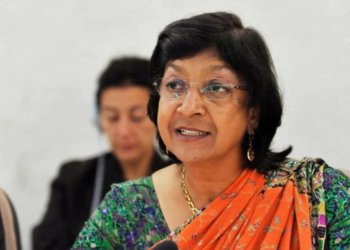
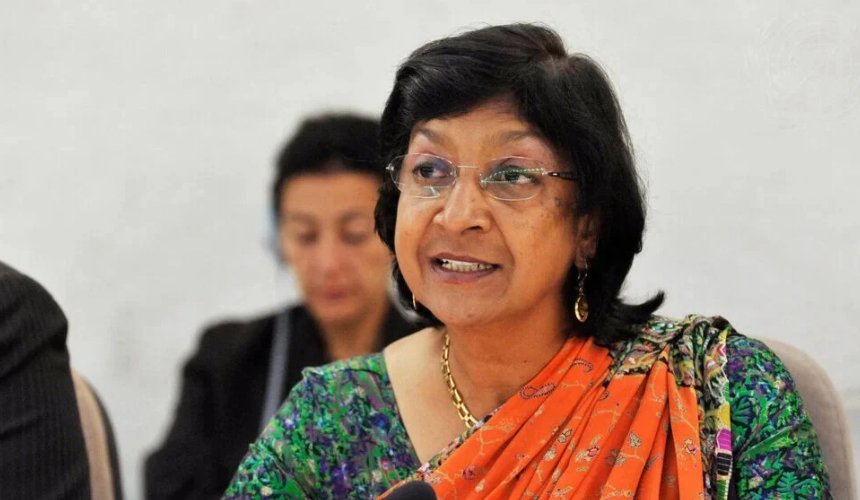
South African jurist Navanethem “Navi” Pillay, whose legal career has spanned the struggle against apartheid and some of the world’s most significant international criminal tribunals, has won the 2026 Nobel Peace Prize for her efforts to promote peace and international law.
The Norwegian Nobel Committee announced the award Friday, recognizing Pillay’s decades of work to strengthen accountability for genocide, war crimes and crimes against humanity.
The committee said her career demonstrated how international law and independent courts can contribute to peace by holding perpetrators of serious crimes accountable.
“A common thread runs from her early work defending Nelson Mandela and others who stood up against apartheid to her service as a judge in some of the key international court cases of our time,” the Nobel Committee said.
Committee Chair Jørgen Watne Frydnes said Pillay’s work in historic international court cases showed that “legal efforts can help prevent acts of war and violence.” The committee had been unable to reach Pillay before announcing the award.
U.N. High Commissioner for Human Rights Volker Türk congratulated Pillay, whom he described as “a big sister.”
“To say it is well deserved is a total understatement, and especially at a time when human rights are under attack on so many fronts, including from those who wield enormous power, this award is particularly poignant,” Türk said in Geneva.
“It is an award to all those who around the world dedicate their lives to the defense of human rights, often at great risk to their security.”
From apartheid lawyer to international jurist
Born in Durban in 1941, Pillay established her own law practice in 1967, becoming the first Black woman to do so in Natal. She represented detainees and opponents of South Africa’s apartheid system before moving into the judiciary.
In 1995, Pillay became an acting judge of South Africa’s High Court and was elected by the U.N. General Assembly to serve as a judge on the International Criminal Tribunal for Rwanda in Arusha, Tanzania. She later served as the tribunal’s president from 1999 to 2003.
During her tenure, the tribunal handed down landmark judgments in international criminal law, including the first international conviction for genocide and a groundbreaking ruling recognizing rape and sexual violence as acts of genocide under certain circumstances.
Pillay later served as a judge in the Appeals Division of the International Criminal Court and as U.N. high commissioner for human rights from 2008 to 2014.
She went on to chair a U.N. commission of inquiry on the Occupied Palestinian Territory and currently serves as an ad hoc judge at the International Court of Justice in the case brought by Gambia accusing Myanmar of genocide against the Rohingya.
The Nobel Peace Prize carries a cash award of 12 million Swedish kronor and will be presented in Oslo on Dec. 10, the anniversary of Alfred Nobel’s death.