

ADDIS ABABA
Ethiopia has launched an intensive immunization campaign targeting more than 11.3 million children in response to the reemergence of a mutated form of polio.
Outbreaks of circulating variant poliovirus type 1 in Gambella, Oromia and South Ethiopia in 2026 have prompted authorities to urgently address low vaccination coverage and prevent further transmission.
According to the World Health Organization (WHO), polio is a highly infectious viral disease that primarily affects children under 5, attacks the nervous system and can cause irreversible paralysis within hours.
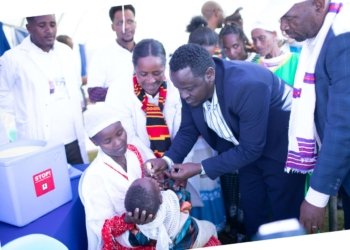
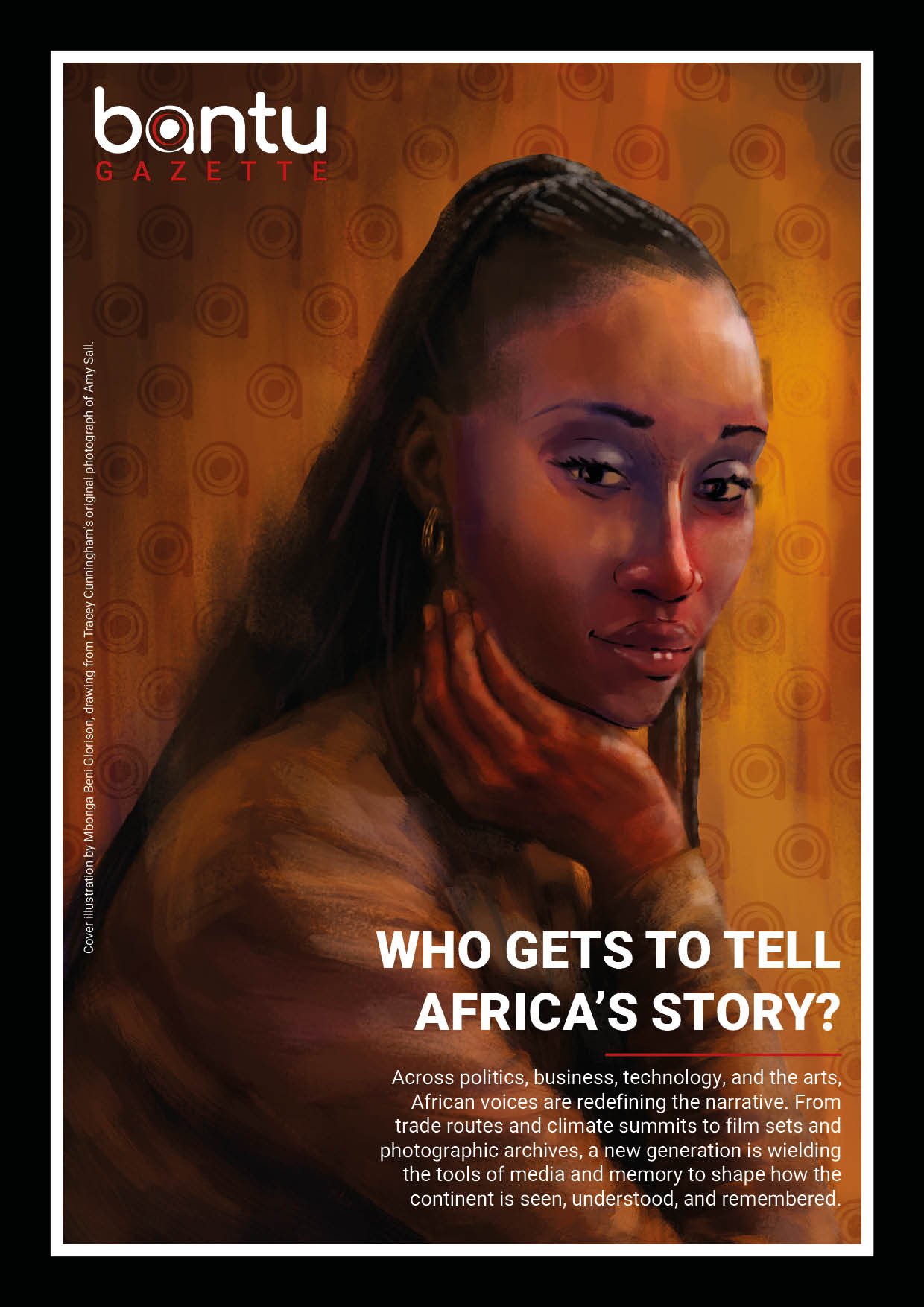
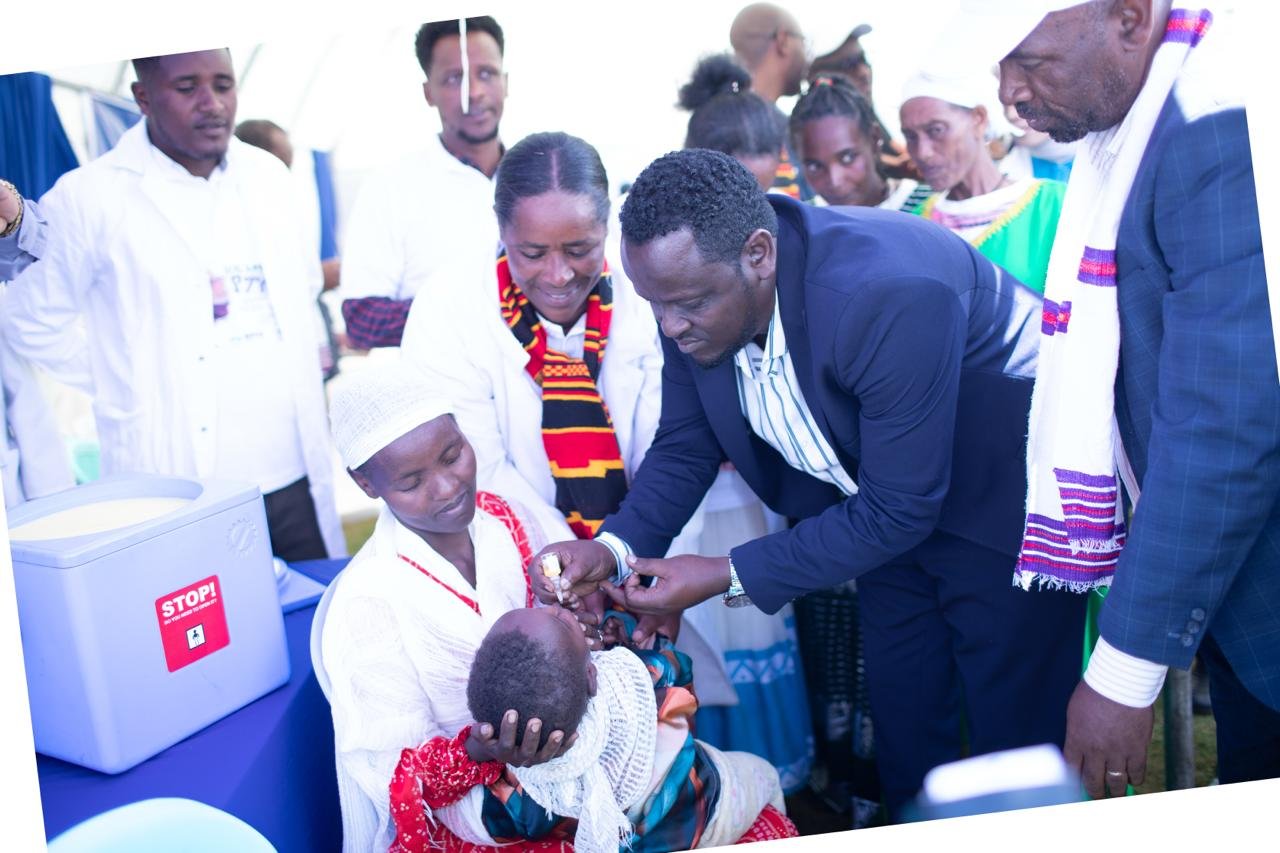
The Ethiopian government, in collaboration with the WHO, UNICEF, Global Polio Eradication Initiative (GPEI) partners and other partners, launched the campaign on Nov. 21.
The campaign covers Addis Ababa, Oromia, Central Ethiopia, South Ethiopia and Southwest Ethiopia. The initial phase ended Nov. 24, with further immunization scheduled for Dec. 18-21.
Alongside administering oral polio vaccines, health workers and volunteers are visiting households to identify unvaccinated and partially vaccinated children and refer them for additional immunization services.
“We urge all parents, community members, health workers and development partners to unite,” said Dr. Loveday Nkwogu, who represented WHO’s representative to Ethiopia, Francis Kasolo, at the campaign launch in Arba Minch, South Ethiopia Region.
Nkwogu added that every child vaccinated brings Ethiopia “one step closer to a polio-free future.”
The campaign builds on Ethiopia’s decades-long efforts to eradicate polio. When the country joined the GPEI in 1996, wild poliovirus was paralyzing thousands of children annually.
Following extensive immunization efforts, Ethiopia recorded its last indigenous case of wild polio in December 2001.
However, imported cases from neighboring countries, predominantly Somalia, occurred between 2004 and 2008 and during a Horn of Africa outbreak in 2013 and 2014, prompting cross-border interventions.
Ethiopia was declared free of wild polio in June 2020, two months before the entire WHO African Region achieved the same status.
However, circulating vaccine-derived poliovirus (cVDPV) remains a threat. It can emerge when the weakened virus used in oral polio vaccines circulates for prolonged periods in underimmunized communities, mutating into a form capable of causing paralysis.
Political challenges, climate-related disruptions, migration and the COVID-19 pandemic have undermined health care provision in parts of Ethiopia, leaving communities increasingly vulnerable.
Between 2019 and 2025, Ethiopia battled several outbreaks of circulating variant poliovirus type 2. Vaccination campaigns reached more than 5.6 million children using the novel oral polio vaccine type 2.
Earlier targeted campaigns in 2026 immunized more than 1 million children across Gambella, Benishangul Gumuz and Oromia’s West Wollega and Kellem Wollega zones.
WHO has deployed 28 technical personnel to support campaign planning, staff training, community engagement and digital data management. Independent monitors and surveyors are also assessing vaccination quality.
Health officials and development partners emphasized the importance of combining large-scale immunization campaigns with enhanced surveillance for acute flaccid paralysis and environmental monitoring to detect hidden transmission and eradicate polio.