

A Pan-African conversation hosted by HERizon Africa on Monday challenged long-standing assumptions about how the global gender gap should be addressed.
Speakers called for a decisive shift from gender equality to female equity, reframing the conversation from inclusion to ownership.
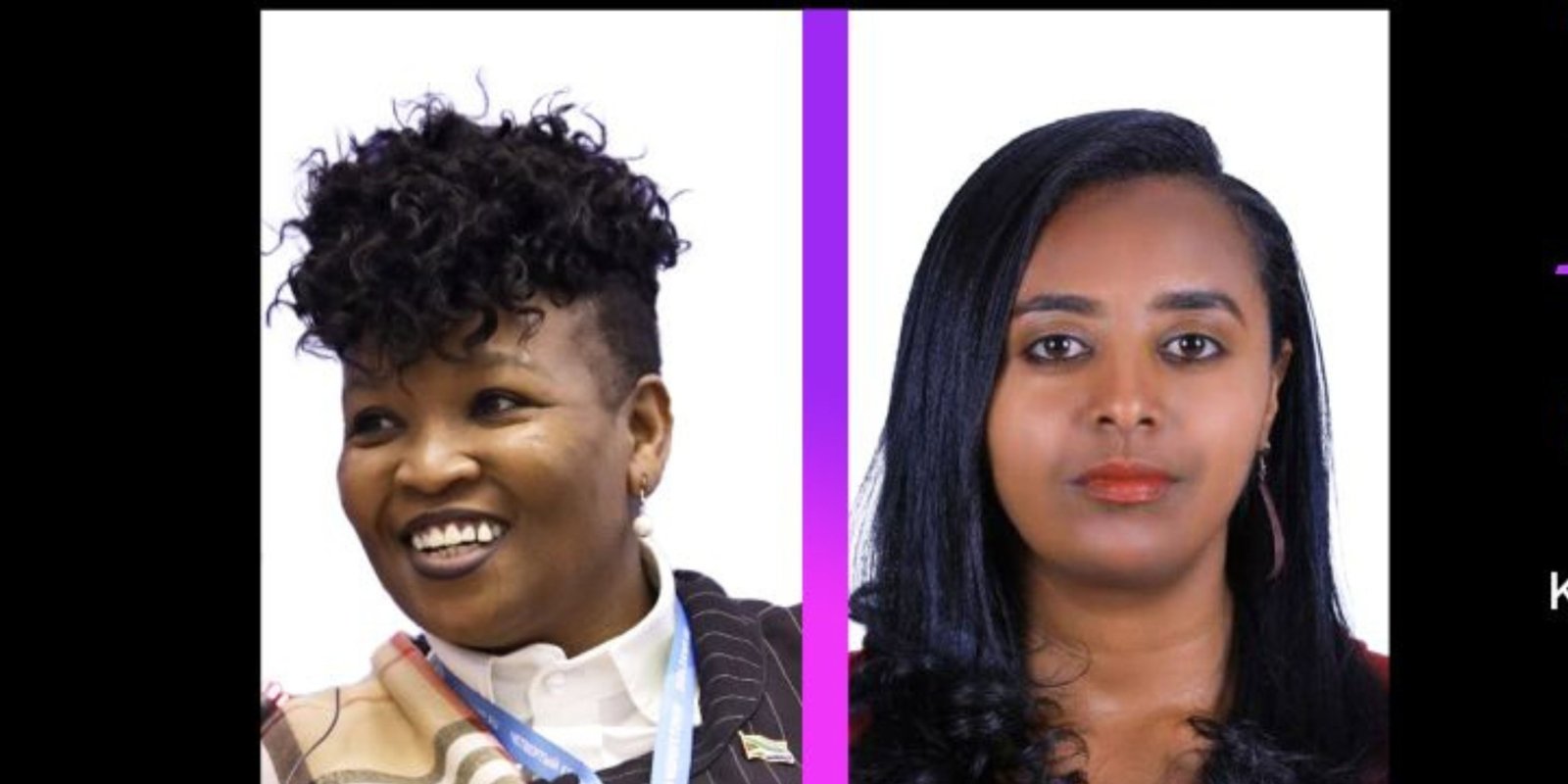
HERizon Africa Global Lead Gifty Boatamaa Annan, keynote speaker Princess Lebogang Zulu and guest speaker Dr. Kalkidan Esayas led the virtual event.
The discussion focused on the World Economic Forum’s January 2025 Global Gender Gap Report, which estimates it will take 123 years to close the global gender gap.
While this marks a 10-year improvement from 2024, speakers described the timeline as a sign of systemic design rather than progress.
“This is not slow progress,” Zulu said. “It is evidence of an architecture that monetizes hope while maintaining existing power structures.”
Dr. Kalkidan , a Global Advisory Council member of HERizon Africa, added a sense of urgency. “We cannot wait 123 years,” she said. “At least our daughters should not face these same issues.”
Annan introduced HERizon Africa as a Pan-African women’s network that invests in leadership development, amplifies women’s achievements and advances gender parity through data and policy.
Flagship initiatives include an annual summit in Ghana beginning in March 2026, a continental gender index, an education-focused cycling initiative and a women’s innovation magazine.
Zulu’s keynote critiqued decades of gender-focused policy efforts that have emphasized representation over control.
Despite more than 100 years of declarations, including the Beijing Platform for Action and the SDGs, she argued that women remain structurally excluded from capital, land and policymaking spaces.
She called for a pivot to female equity, which asks deeper questions such as who owns capital, who controls value chains and who designs policy.
Zulu also pointed to live opportunities in sectors such as pharmaceuticals and mining through platforms like the BRICS Women Business Alliance.
The session concluded with a call for women to embrace a “builder” model of entrepreneurship that prioritizes value creation, preparation and economic control over visibility.