

ADDIS ABABA
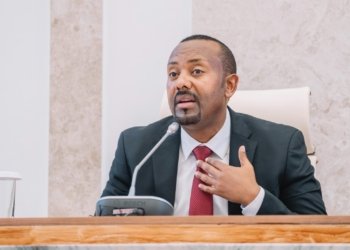
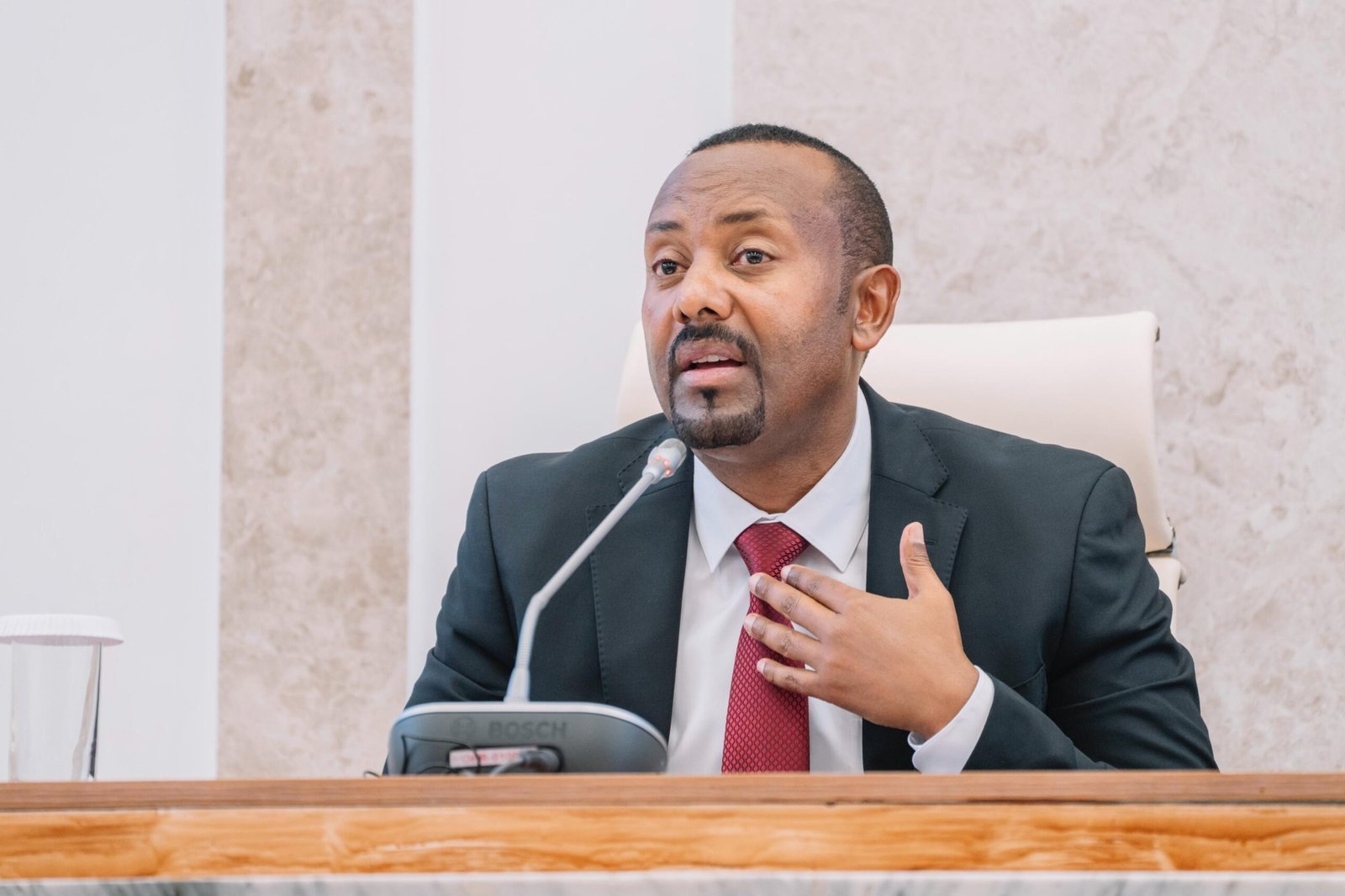
Ethiopia’s industrial sector has surpassed agriculture in its contribution to gross domestic product (GDP) growth for the first time in the nation’s history, Prime Minister Abiy Ahmed announced Thursday while presenting an economic update to the House of Peoples’ Representatives.
Addressing the fourth regular session of the seventh parliament’s first year, Abiy highlighted significant gains across trade, finance and agriculture following the implementation of the government’s macroeconomic reforms.
According to Abiy, the industrial sector now accounts for 31.8% of GDP growth, surpassing agriculture’s 31.4%. Despite this structural shift, the agricultural sector is projected to grow by more than 7% this year.
Foreign currency earnings have recorded substantial gains over the past three months. Exports generated $3.1 billion, a 25% increase from the same period last year, matching an entire year’s pre-reform export revenue in a single quarter.
The service sector generated $2.9 billion, marking a 27% year-over-year increase, while foreign direct investment reached $1.28 billion, reflecting a 34% rise.
“This demonstrates that although Ethiopia possessed great potential, it had been held back by operational constraints,” Abiy told lawmakers.
He added that increased remittances and foreign currency inflows had supported $6.5 billion in imports over the past six months.
Banking expansion and agricultural modernization
Abiy reported unprecedented growth in domestic banking and digital finance. Total bank deposits have climbed to 5.3 trillion birr ($33 billion), while the volume of money circulating through digital systems has reached 11 trillion birr ($68.4 billion) across 164 million digital accounts and mobile wallets.
Nearly 70 million citizens now access mobile banking services through Ethio telecom’s Telebirr and Safaricom’s M-Pesa.
Credit allocation has also shifted toward private enterprise. Of the 426 billion birr ($2.65 billion) in loans disbursed during the past quarter, 98% went to the private sector, leaving government borrowing at less than 2%.
Total lending increased by 62% compared with the first quarter of the previous year. Before the economic reforms, more than 80% of loans were absorbed by the state.
Abiy attributed agriculture’s projected growth to modernization efforts, including the nationwide expansion of cluster farming, irrigation development and agricultural mechanization.
He said the widespread distribution of modern machinery, including tractors and combine harvesters, had significantly improved crop yields and productivity.
High wheat yields in drought-prone lowland areas and the success of the Yelemat Tirufat (Bounty of the Basket) program have supported agricultural growth, alongside improved access to seeds and fertilizers and conservation efforts under the Green Legacy initiative.
Responding to lawmakers’ questions about pastoralist communities in Somali, Afar and Borana, Abiy acknowledged persistent infrastructure and human resource challenges, noting that development projects are underway to address them.
He said extensive preparations had prevented the recent El Niño climate phenomenon from causing significant damage.
According to Abiy, stockpiling animal fodder, introducing resilient crop varieties and preparing irrigation dams helped avert severe drought and loss of life in vulnerable communities.
Abiy reaffirmed the government’s commitment to ensuring domestic food security, strengthening agricultural productivity and expanding exports of value-added agricultural products to international markets.