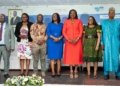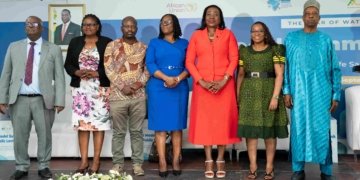

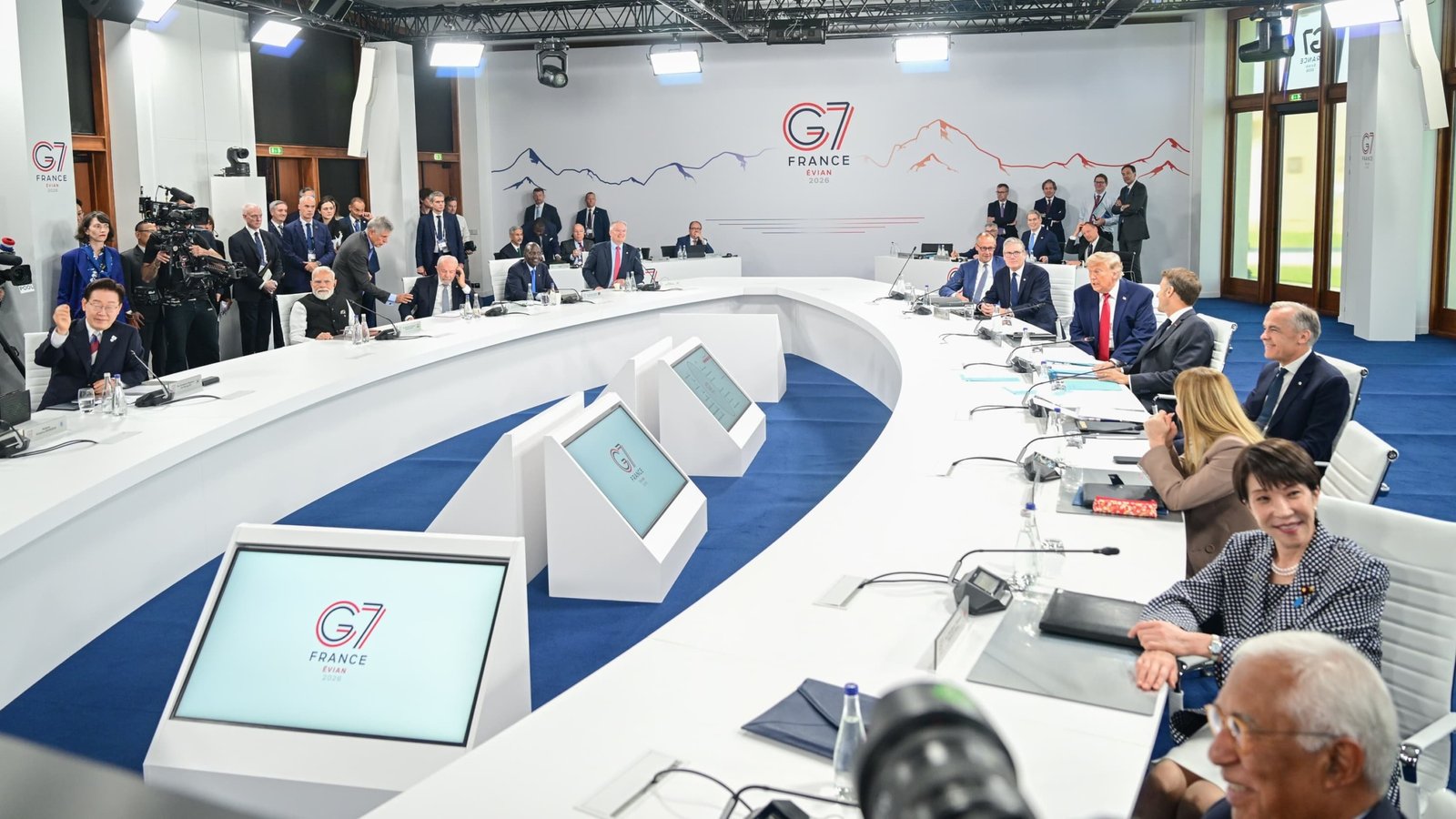

President William Ruto attended the 52nd G7 Summit in Évian-les-Bains, France, from June 15-17 after an invitation from French President Emmanuel Macron, using the gathering to advance priorities agreed at the Africa Forward Summit held in Nairobi in May.
Ruto was accompanied by First Lady Rachel Ruto, Prime Cabinet Secretary Musalia Mudavadi and other senior officials.
Kenya was among five partner countries invited by France, alongside Brazil, Egypt, India and South Korea.
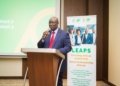
During three G7+ working sessions, Ruto urged leaders to engage Africa as an equal economic partner and move beyond traditional aid-based relationships toward investment and shared growth.
“Africa is not a problem to resolve,” Ruto told reporters on the sidelines of the summit. “Africa is not anybody’s liability. It is not going to be a relationship about aid, charity or assistance. Extraction is no longer acceptable.”
One of the most significant outcomes for Kenya was progress toward a critical minerals agreement with the United States. In an interview with Reuters, Ruto said Kenya was close to finalizing a deal covering rare earths and other strategic minerals, with processing to take place in Kenya.
“We have agreed that the minerals will be processed in Kenya,” he said after discussions with G7 leaders, including U.S. President Donald Trump. “We’ve agreed on what is mutually beneficial between Kenya and the United States.”
Ruto also said Kenya and other African countries would continue to pursue partnerships with multiple global powers rather than align exclusively with any one country.
On financing, Ruto said Africa holds an estimated $4 trillion in pension funds, insurance reserves and central bank assets but lacks sufficient mechanisms to mobilize that capital. He called for expanded guarantees and risk-sharing tools to attract investment and lower borrowing costs.
“There are mechanisms that we can use to de-risk whatever people think is a risk in Africa,” he said.
Artificial intelligence, Health and development
During discussions on artificial intelligence, Ruto emphasized digital inclusion and stronger protections for users, particularly children.
He called for age-appropriate design standards, stronger age-verification systems, enhanced parental controls and better safeguards against harmful content and AI-generated abuse in African languages, including Kiswahili and Sheng.
“Africa is going to be a co-creator,” he said. “We want to be at the center of it, to write the rules together.”
The summit backed increased investment in infrastructure through initiatives including the Partnership for Global Infrastructure and Investment and the European Union’s Global Gateway program.
Leaders also supported greater local value addition in critical minerals and pledged deeper cooperation on health, including funding for Ebola response efforts in Africa.
According to State House spokesperson Hussein Mohamed, Kenya’s priorities were reflected in summit outcome documents covering risk-sharing mechanisms, debt reform and critical minerals value addition. Ruto said Kenya’s participation reinforced its role as a leading African voice in global governance.