
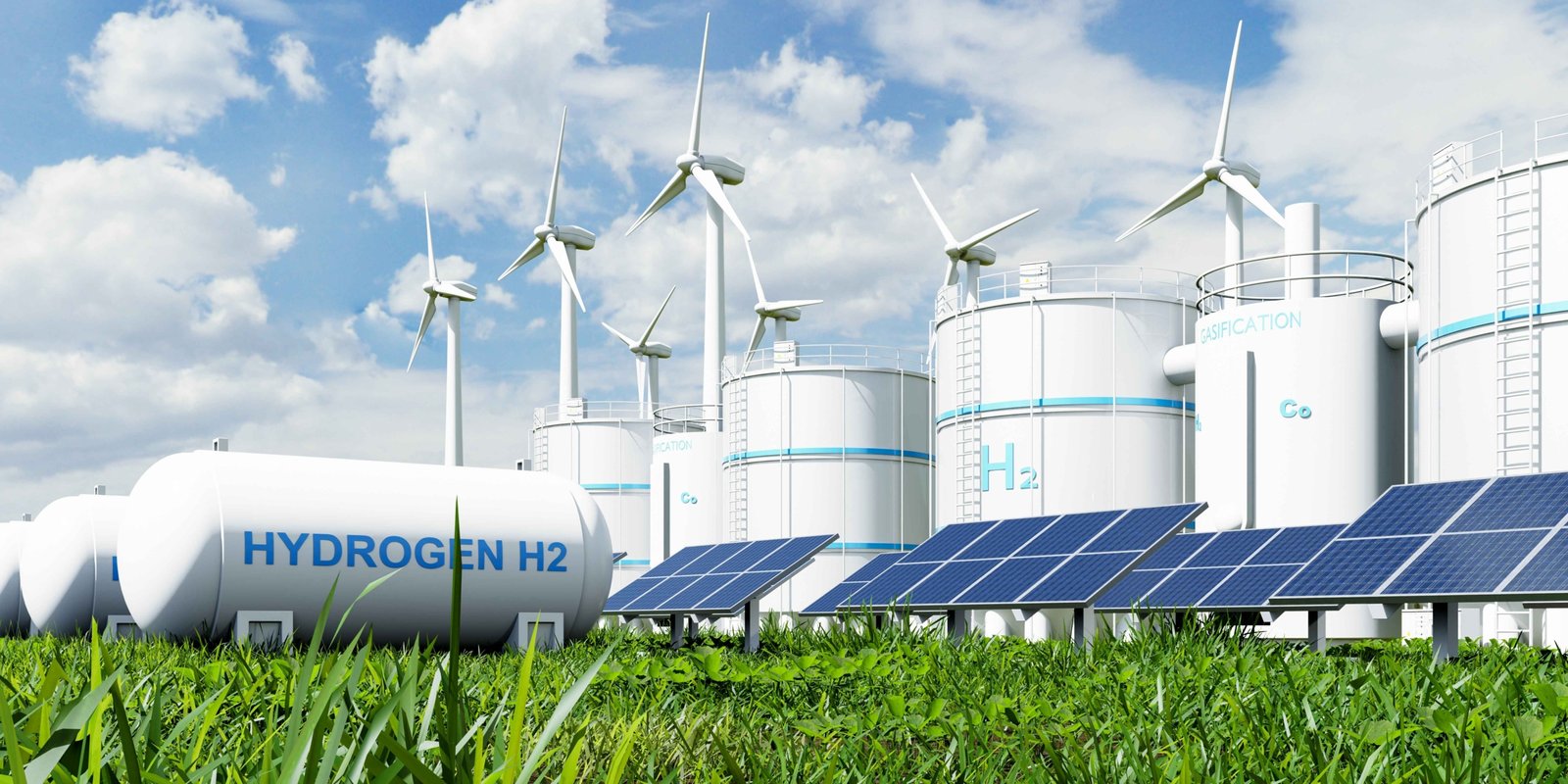

The African Development Bank has approved a $10 million loan to support Namibia’s large-scale green hydrogen project, developed by Hyphen Hydrogen Energy.
In a media release on Wednesday, the bank said the funding from the Sustainable Energy Fund for Africa will support early engineering studies for the project, which aims to turn Namibia into a key player in the global green hydrogen economy by leveraging its vast solar and wind energy resources.
According to the statement, the first phase of the project will include 3.75 gigawatts of renewable energy, 1.5 gigawatts of electrolyser capacity, battery storage and desalination infrastructure.
The plan also includes pipelines, transmission lines and port upgrades.
The project is expected to produce up to 2 million tons of green ammonia annually for export, while contributing to local development through a 40-year concession agreement.
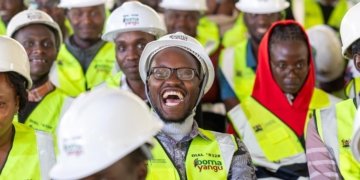
It is designed to create 15,000 construction jobs and 3,000 permanent positions. A significant portion of these will be reserved for Namibians, with 20 percent targeted at youth in a country where youth unemployment is over 38 percent.
Once operational, the project will supply 3 million liters of clean water daily to the water-scarce region of Lüderitz and avoid 5 million tons of carbon dioxide emissions annually. This is equal to removing more than one million cars from the road.
African Development Bank (AfDB) officials emphasized the broader impact of the project, describing it as a milestone in Africa’s leadership in the global energy transition. Hyphen CEO Marco Raffinetti called the bank’s support a strong vote of confidence.
The Hyphen project is a flagship of Namibia’s Southern Corridor Development Initiative and is expected to serve as a model for other African nations with strong renewable energy potential.
Earlier this year, Namibia took a major step in its green hydrogen ambitions with the start of production at HyIron’s Oshivela plant.
On March 12, 2025, the facility officially commenced green hydrogen production using a 12-megawatt electrolyser from China’s Peric Hydrogen Systems, the largest of its kind in Southern Africa.