
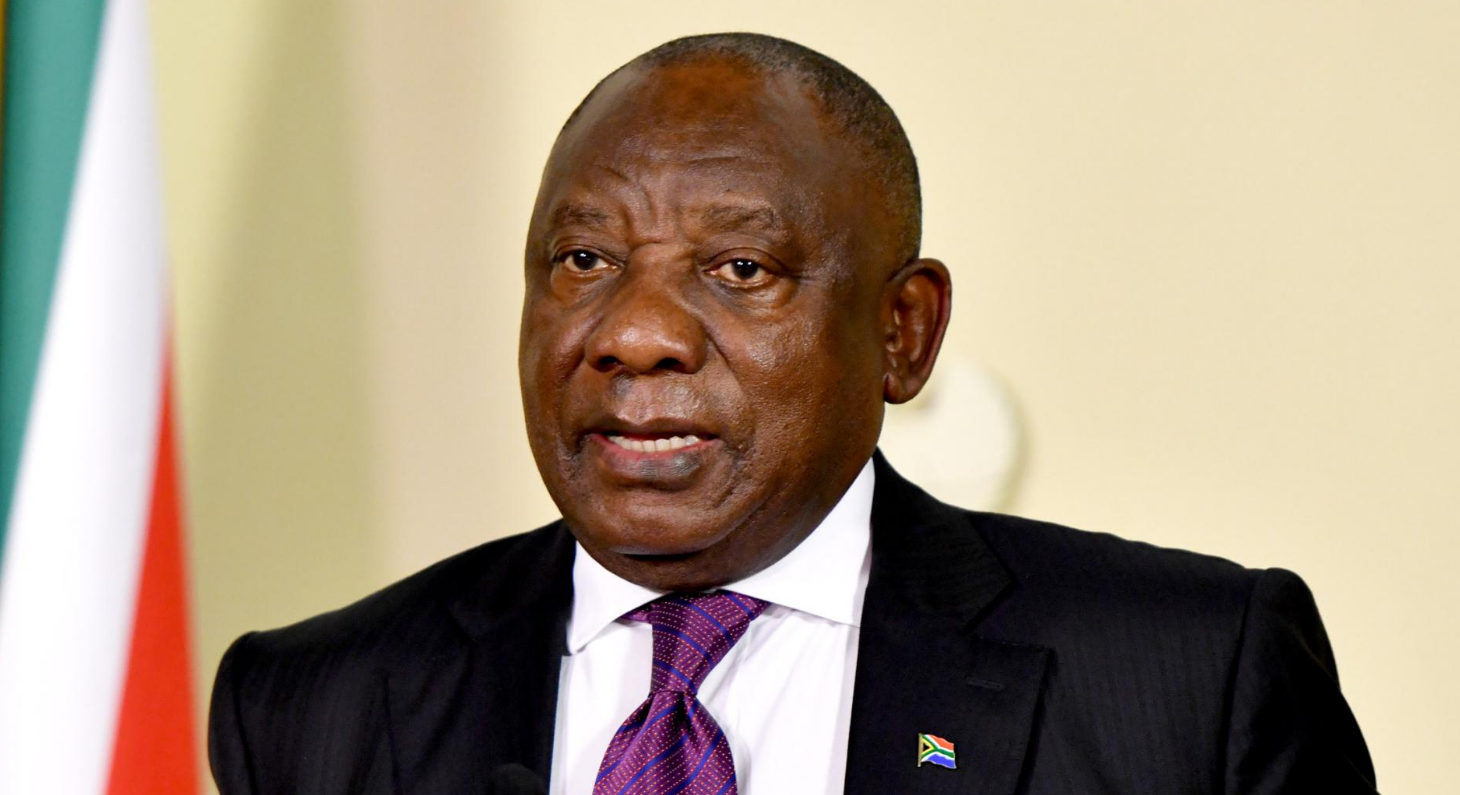

President Cyril Ramaphosa has approved differentiated salary increases for South Africa’s public office bearers, effective April 1, 2025, according to a statement issued Tuesday.
The determination sets annual remuneration levels across the executive, legislature, judiciary and constitutional institutions as part of the country’s statutory process to review public office pay alongside budget planning and public sector wage policy.
Judges, magistrates, traditional leaders and members of independent constitutional institutions will receive a 4.1% increase.
Members of the National Executive, Parliament, provincial executive councils and provincial legislatures will receive a 3.8% adjustment.
The decision follows recommendations by the Independent Commission for the Remuneration of Public Office-Bearers, which proposed a uniform 4.1% increase across all categories.
After reviewing the proposal and its fiscal implications, the president approved differentiated adjustments.
“Having considered the Commission’s recommendations and its impact on the fiscus, the President, however, decided to increase the salary of public office-bearers by 4.1% and 3.8% in different categories,” the presidency said in a statement.
The higher increase applies to offices linked to judicial authority and constitutional oversight, while elected political officeholders fall under the lower adjustment. The revised structure applies retroactively from April 2025.
The commission is constitutionally mandated to make annual recommendations on salaries, allowances and benefits of public office bearers. In developing its advice, it must assess affordability, inflation, available state resources and remuneration levels across the public service.
In its statement, the presidency said the commission is required to consider “the role, status, duties, functions and responsibilities of the office bearers concerned.”
Ramaphosa acknowledged the commission’s work, citing “the diligence and integrity with which the commission developed its recommendations.”
Public sector remuneration decisions remain closely monitored in South Africa, where wage-setting intersects with fiscal discipline and institutional governance.
The latest adjustment continues the annual review process and provides predictability for state institutions within constrained public finances.