
Bantu Gazette

Bantu Gazette
  • Policy & Governance
  • Development & Impact
  • Business, Trade & Economy
  • Energy
  • Changemakers
  • Culture & Identity
  • Perspectives
  • Magazine
Menu
  • Black Frame Studio
  • Magazine

AU: Africa Loses $88 Billion Annually to Illicit Flows

Illicit trade, corruption, and tax fraud cost Africa billions each year, threatening development goals and draining vital public resources

AU: Africa Loses $88 Billion Annually to Illicit Flows

Photo by Sunday Abegunde

Jane Mukamiby Jane Mukami
September 10, 2025
Reading Time: 1 min read

AU: Africa Loses $88 Billion Annually to Illicit Flows

Illicit trade, corruption, and tax fraud cost Africa billions each year, threatening development goals and draining vital public resources

AU: Africa Loses $88 Billion Annually to Illicit Flows

Photo by Sunday Abegunde

AU: Africa Loses $88 Billion Annually to Illicit Flows

Photo by Sunday Abegunde

Jane Mukamiby Jane Mukami
July 11, 2026
Reading Time: 1 min read

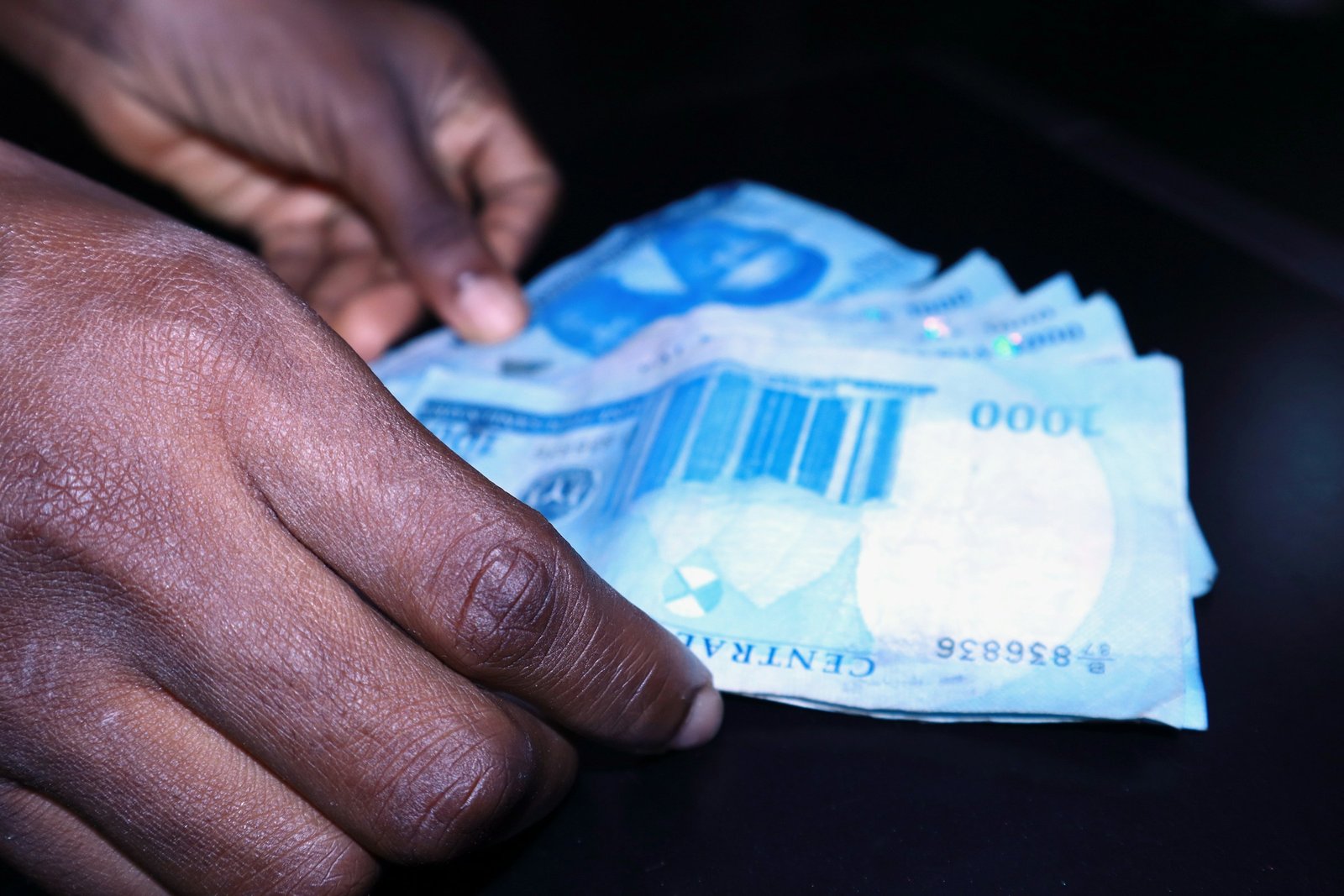
Africa is losing an estimated $88 billion every year due to illicit financial flows, according to a new report by the African Union.

These losses stem from corruption, tax fraud, money laundering, and illegal cross-border transactions.

The report, compiled by the African Union’s High-Level Panel on Illicit Financial Flows, warns that these outflows have surged by 76 percent since 2015, when the continent was losing about $50 billion annually.

This growing trend poses a serious threat to Africa’s economic stability and development goals.

Illicit financial flows refer to illegal movements of money and assets across borders.

Common practices include falsified invoices, under-declaration of exports, abusive debt arrangements, and manipulation of contracts.

The report highlights that commercial practices account for two-thirds of these losses, particularly in sectors such as international trade and resource extraction.

Countries rich in natural resources like oil, diamonds, gold, cotton, and timber are especially vulnerable.

The report notes that products such as shrimp and other raw materials are often under-declared, resulting in major revenue losses. Fraudulent pricing and invoice manipulation in international trade further compound the issue.

Beyond commercial malpractice, financial flows also arise from criminal activities such as drug trafficking, arms smuggling, human trafficking, and wildlife crimes.

Corruption, money laundering, and the financing of terrorism also contribute to the problem.

The African Union estimates that Africa needs an additional $194 billion annually to meet its development goals.

However, 45 percent of that is lost to illicit financial flows. These losses undermine productivity, distort prices, discourage investment, and deepen trade imbalances.

In response, several African states have established special units to combat economic crimes.

The AU calls for stronger enforcement, transparency, and international cooperation to curb the outflows and safeguard the continent’s financial future.

Get the inside Story

Stay informed on the stories shaping Africa’s future. Get breaking news, in-depth analysis, opinions and exclusive insights from across the continent delivered to your inbox, free and unfiltered.


Get in touch for more:
Felix Tih
Editorial Director, Bantu Gazette
WhatsApp
LinkedIn
X (Twitter)
Instagram

Related Posts

South Africa Allocates $1.7 Billion to Road Agency for Network Expansion
Business, Trade & Economy

South Africa Says 3% Growth Can Change Its Jobs Equation. Can It Get There?

August 27, 2026
Rwanda Taps Japanese Yen Market for First Time in Loan Deal
Business, Trade & Economy

Rwanda Taps Japanese Yen Market for First Time in Loan Deal

August 27, 2026
Kenya Approves First Locally Domiciled Exchange Traded Fund
Business, Trade & Economy

Kenya Approves First Locally Domiciled Exchange Traded Fund

August 27, 2026
Ghana’s Bad-Loan Problem is Becoming a Financial-Stability Story
Business, Trade & Economy

Ghana’s Bad-Loan Problem is Becoming a Financial-Stability Story

August 24, 2026
Entrepreneurs Battle for Top 10 Spots in Africa’s Business Heroes
Business, Trade & Economy

Entrepreneurs Battle for Top 10 Spots in Africa’s Business Heroes

August 25, 2026
Ghana, Côte d’Ivoire Raise Alarm Over Cocoa Substitutes in Chocolate Products
Business, Trade & Economy

Ghana, Côte d’Ivoire Raise Alarm Over Cocoa Substitutes in Chocolate Products

August 16, 2026

Most Recent

Africa Foresight Network Launches with Call for Africans to Shape Their Own Futures
Partner Content

Africa Foresight Network Launches with Call for Africans to Shape Their Own Futures

by Felix Tih
August 27, 2026
0

New pan-African network seeks to connect foresight practitioners, strengthen African knowledge and turn thinking about the continent's futures into collective...

Read moreDetails
South Africa Allocates $1.7 Billion to Road Agency for Network Expansion

South Africa Says 3% Growth Can Change Its Jobs Equation. Can It Get There?

August 27, 2026
Rwanda Taps Japanese Yen Market for First Time in Loan Deal

Rwanda Taps Japanese Yen Market for First Time in Loan Deal

August 27, 2026
Mindset Shift Could Unlock Africa’s Development Financing Potential

Mindset Shift Could Unlock Africa’s Development Financing Potential

August 26, 2026
Kenya Approves First Locally Domiciled Exchange Traded Fund

Kenya Approves First Locally Domiciled Exchange Traded Fund

August 27, 2026
Kagame Urges African Countries to Take Active Role in Shaping AI Future

Kagame Urges African Countries to Take Active Role in Shaping AI Future

August 25, 2026
Ghana’s Bad-Loan Problem is Becoming a Financial-Stability Story

Ghana’s Bad-Loan Problem is Becoming a Financial-Stability Story

August 24, 2026
Africa Foresight Network Launches with Call for Africans to Shape Their Own Futures
Partner Content

Africa Foresight Network Launches with Call for Africans to Shape Their Own Futures

by Felix Tih
Reading Time: 2 mins read
August 27, 2026
0

New pan-African network seeks to connect foresight practitioners, strengthen African knowledge and turn thinking about the continent's futures into collective...

Read moreDetails
South Africa Allocates $1.7 Billion to Road Agency for Network Expansion
Business, Trade & Economy

South Africa Says 3% Growth Can Change Its Jobs Equation. Can It Get There?

by Monica Brown
Reading Time: 5 mins read
August 27, 2026
0

South Africa is targeting growth above 3% to tackle unemployment. Reforms have improved confidence, but turning them into investment and...

Read moreDetails
Rwanda Taps Japanese Yen Market for First Time in Loan Deal
Business, Trade & Economy

Rwanda Taps Japanese Yen Market for First Time in Loan Deal

by Jane Mukami
Reading Time: 2 mins read
August 27, 2026
0

East African nation uses World Bank-backed guarantees to diversify funding sources, lower costs and expand access to Asian capital markets

Read moreDetails

AU: Africa Loses $88 Billion Annually to Illicit Flows

Illicit trade, corruption, and tax fraud cost Africa billions each year, threatening development goals and draining vital public resources

AU: Africa Loses $88 Billion Annually to Illicit Flows

Photo by Sunday Abegunde

Africa is losing an estimated $88 billion every year due to illicit financial flows, according to a new report by the African Union.

These losses stem from corruption, tax fraud, money laundering, and illegal cross-border transactions.

The report, compiled by the African Union’s High-Level Panel on Illicit Financial Flows, warns that these outflows have surged by 76 percent since 2015, when the continent was losing about $50 billion annually.

This growing trend poses a serious threat to Africa’s economic stability and development goals.

Illicit financial flows refer to illegal movements of money and assets across borders.

Common practices include falsified invoices, under-declaration of exports, abusive debt arrangements, and manipulation of contracts.

The report highlights that commercial practices account for two-thirds of these losses, particularly in sectors such as international trade and resource extraction.

Countries rich in natural resources like oil, diamonds, gold, cotton, and timber are especially vulnerable.

The report notes that products such as shrimp and other raw materials are often under-declared, resulting in major revenue losses. Fraudulent pricing and invoice manipulation in international trade further compound the issue.

Beyond commercial malpractice, financial flows also arise from criminal activities such as drug trafficking, arms smuggling, human trafficking, and wildlife crimes.

Corruption, money laundering, and the financing of terrorism also contribute to the problem.

The African Union estimates that Africa needs an additional $194 billion annually to meet its development goals.

However, 45 percent of that is lost to illicit financial flows. These losses undermine productivity, distort prices, discourage investment, and deepen trade imbalances.

In response, several African states have established special units to combat economic crimes.

The AU calls for stronger enforcement, transparency, and international cooperation to curb the outflows and safeguard the continent’s financial future.

AU: Africa Loses $88 Billion Annually to Illicit Flows

Illicit trade, corruption, and tax fraud cost Africa billions each year, threatening development goals and draining vital public resources

AU: Africa Loses $88 Billion Annually to Illicit Flows

Photo by Sunday Abegunde

Jane Mukamiby Jane Mukami
September 10, 2025

Africa is losing an estimated $88 billion every year due to illicit financial flows, according to a new report by the African Union.

These losses stem from corruption, tax fraud, money laundering, and illegal cross-border transactions.

The report, compiled by the African Union’s High-Level Panel on Illicit Financial Flows, warns that these outflows have surged by 76 percent since 2015, when the continent was losing about $50 billion annually.

This growing trend poses a serious threat to Africa’s economic stability and development goals.

Illicit financial flows refer to illegal movements of money and assets across borders.

Common practices include falsified invoices, under-declaration of exports, abusive debt arrangements, and manipulation of contracts.

The report highlights that commercial practices account for two-thirds of these losses, particularly in sectors such as international trade and resource extraction.

Countries rich in natural resources like oil, diamonds, gold, cotton, and timber are especially vulnerable.

The report notes that products such as shrimp and other raw materials are often under-declared, resulting in major revenue losses. Fraudulent pricing and invoice manipulation in international trade further compound the issue.

Beyond commercial malpractice, financial flows also arise from criminal activities such as drug trafficking, arms smuggling, human trafficking, and wildlife crimes.

Corruption, money laundering, and the financing of terrorism also contribute to the problem.

The African Union estimates that Africa needs an additional $194 billion annually to meet its development goals.

However, 45 percent of that is lost to illicit financial flows. These losses undermine productivity, distort prices, discourage investment, and deepen trade imbalances.

In response, several African states have established special units to combat economic crimes.

The AU calls for stronger enforcement, transparency, and international cooperation to curb the outflows and safeguard the continent’s financial future.

Get the inside Story

Stay informed on the stories shaping Africa’s future. Get breaking news, in-depth analysis, opinions and exclusive insights from across the continent delivered to your inbox, free and unfiltered.


Get in touch for more:
Felix Tih
Editorial Director, Bantu Gazette
WhatsApp
LinkedIn
X (Twitter)
Instagram

Related Posts

South Africa Allocates $1.7 Billion to Road Agency for Network Expansion

South Africa Says 3% Growth Can Change Its Jobs Equation. Can It Get There?

by Monica Brown
August 27, 2026
0

...

Rwanda Taps Japanese Yen Market for First Time in Loan Deal

Rwanda Taps Japanese Yen Market for First Time in Loan Deal

by Jane Mukami
August 27, 2026
0

...

Kenya Approves First Locally Domiciled Exchange Traded Fund

Kenya Approves First Locally Domiciled Exchange Traded Fund

by Waceke Nganga
August 25, 2026
0

...

Ghana’s Bad-Loan Problem is Becoming a Financial-Stability Story

Ghana’s Bad-Loan Problem is Becoming a Financial-Stability Story

by Felix Tih
August 24, 2026
0

...

Entrepreneurs Battle for Top 10 Spots in Africa’s Business Heroes

Entrepreneurs Battle for Top 10 Spots in Africa’s Business Heroes

by Waceke Nganga
August 24, 2026
0

...

Ghana, Côte d’Ivoire Raise Alarm Over Cocoa Substitutes in Chocolate Products

Ghana, Côte d’Ivoire Raise Alarm Over Cocoa Substitutes in Chocolate Products

by Felix Tih
August 15, 2026
0

...

Africa Foresight Network Launches with Call for Africans to Shape Their Own Futures
Partner Content

Africa Foresight Network Launches with Call for Africans to Shape Their Own Futures

by Felix Tih
Reading Time: 2 mins read
August 27, 2026
0

New pan-African network seeks to connect foresight practitioners, strengthen African knowledge and turn thinking about the continent's futures into collective...

Read moreDetails
South Africa Allocates $1.7 Billion to Road Agency for Network Expansion

South Africa Says 3% Growth Can Change Its Jobs Equation. Can It Get There?

by Monica Brown
August 27, 2026
0

South Africa is targeting growth above 3% to tackle unemployment. Reforms have improved confidence, but turning them into investment and...

Rwanda Taps Japanese Yen Market for First Time in Loan Deal

Rwanda Taps Japanese Yen Market for First Time in Loan Deal

by Jane Mukami
August 27, 2026
0

East African nation uses World Bank-backed guarantees to diversify funding sources, lower costs and expand access to Asian capital markets

Mindset Shift Could Unlock Africa’s Development Financing Potential

Mindset Shift Could Unlock Africa’s Development Financing Potential

by Felix Tih
August 26, 2026
0

Policy experts say stronger institutions, productive debt and a shift in mindset can help countries mobilize domestic resources to finance...

Kenya Approves First Locally Domiciled Exchange Traded Fund

Kenya Approves First Locally Domiciled Exchange Traded Fund

by Waceke Nganga
August 25, 2026
0

Capital Markets Authority clears WSA Banking Index fund, expected to list in the fourth quarter of 2026, giving investors broad...

Next Post
Namibia Leads Africa in Gender Equality Rankings

Namibia Leads Africa in Gender Equality Rankings

Côte d’Ivoire Artisans Boost Career Through New Certification

Côte d’Ivoire Artisans Boost Career Through New Certification

Ghana Renews Mercy Ships Partnership to Boost Surgical Care

Ghana Renews Mercy Ships Partnership to Boost Surgical Care

Young Algerian Chefs Impress at Creative Africa Nexus

Young Algerian Chefs Impress at Creative Africa Nexus

Bantu Gazette is a pioneering news platform that champions Africa's development, culture, and heritage. We spotlight the continent's successes, address its challenges, and provide insightful coverage of events that shape its future.

Bantu Gazette is a pioneering news platform that champions Africa's development, culture, and heritage. We spotlight the continent's successes, address its challenges, and provide insightful coverage of events that shape its future.

Our Platforms

  • Bantu Magazine
  • Bantu Brief
  • Black Frame Studio

Our Services

  • Bantu Agency
  • Advertise
  • Partnerships

Our Services

  • Editorial Director
  • Opportunities
  • Contact

Bantu Gazette is a pioneering news platform that champions Africa's development, culture, and heritage. We spotlight the continent's successes, address its challenges, and provide insightful coverage of events that shape its future.

Our Platforms

  • Bantu Magazine
  • Bantu Brief
  • Black Frame Studio

Our Services

  • Bantu Agency
  • Advertise
  • Partnerships

Our Services

  • Editorial Director
  • Opportunities
  • Contact
Bantu Gazette
  • Energy & Trade
  • Finance
  • Health
  • Politics & Economy
  • Technology
  • Environment
  • Feature
  • Opinion
  • Changemakers
  • Tourism & Culture
  • Magazine