

NAIROBI
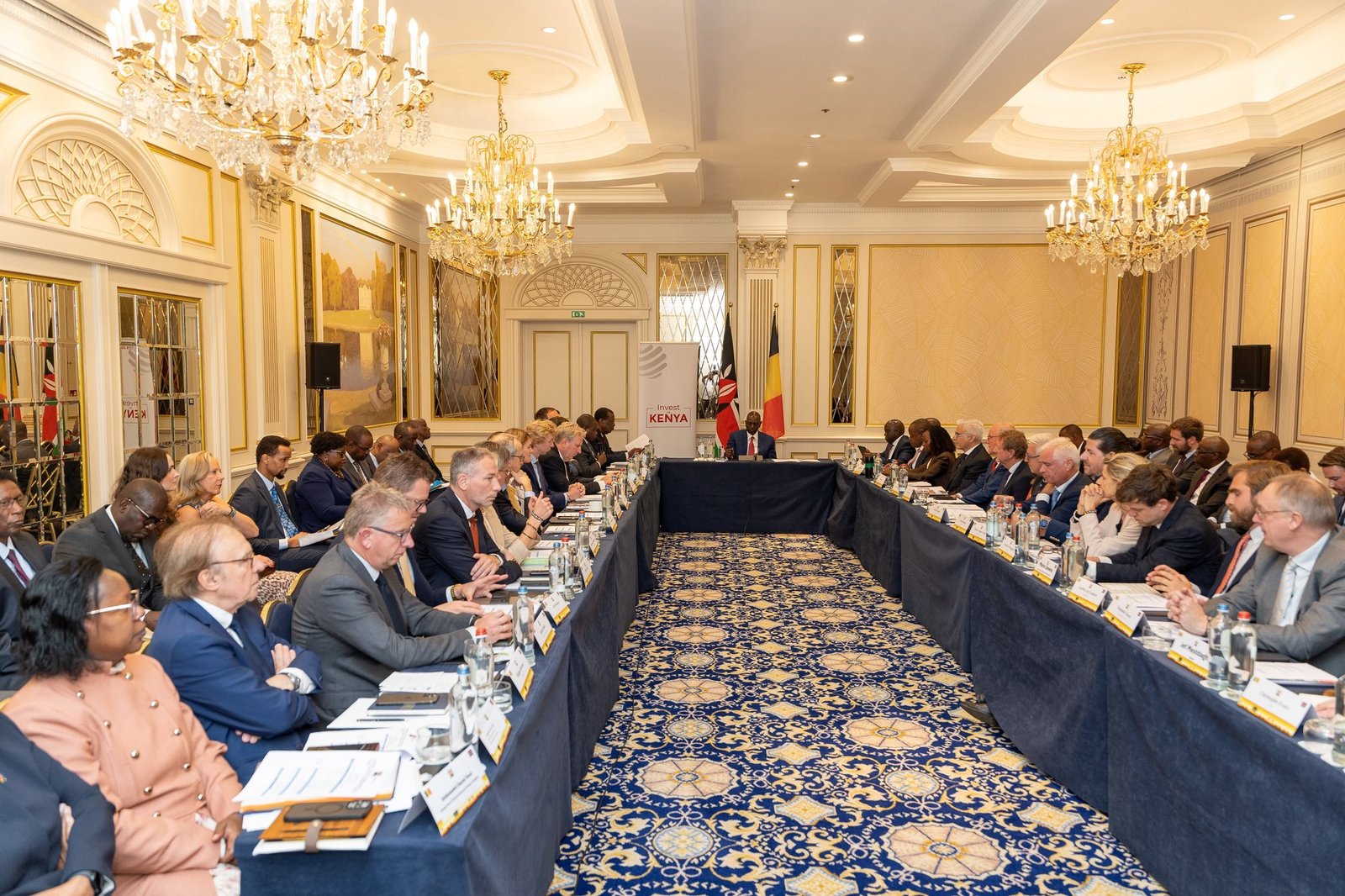
Kenya launched the Kenya-Benelux Chamber of Commerce in Brussels on Monday, with President William Ruto calling on businesses to help triple Kenya-Belgium bilateral trade from Sh43.2 billion ($336 million) in 2024 to Sh129 billion ($1 billion) by 2030.
The launch took place during the Kenya-Belgium Business Roundtable 2026. Ruto addressed business leaders from Belgium and the wider Benelux region alongside Prime Cabinet Secretary Musalia Mudavadi.
“I officiated the launch of the Kenya-Benelux Chamber of Commerce, a permanent bridge connecting Kenyan enterprise with the investors, innovators and markets of Belgium, the Netherlands and Luxembourg,” Ruto posted on social media on Monday.
The event was part of a broader European tour that also took Ruto to Norway and Finland, where he met leaders, including Prime Minister Jonas Gahr Støre and President Alexander Stubb, to advance cooperation in renewable energy, technology, and education.
He also met European Commission Executive Vice-President Henna Virkkunen to discuss Kenya-European Union cooperation.
Ruto outlined two goals: doubling the number of Benelux companies operating in Kenya and reaching $1 billion in bilateral trade by 2030.
He identified four priority areas for cooperation: agribusiness and agro-processing; ports, logistics and cold-chain infrastructure; technology and the digital economy; and clean energy and the circular economy.
Making Kenya’s case to investors, Ruto said the country’s economy is valued at Sh18.96 trillion ($148 billion) and that foreign direct investment exceeded Sh387 billion ($3 billion) in 2025.
He cited a Sh5.16 trillion ($40 billion) infrastructure pipeline, Sh38.7 trillion ($302 billion) in annual mobile money flows and duty-free access under the EU-Kenya Economic Partnership Agreement as advantages for investors.
Ruto also highlighted Kenya’s renewable energy capacity, noting that more than 90% of the country’s electricity comes from renewable sources, including geothermal, hydro and wind power.
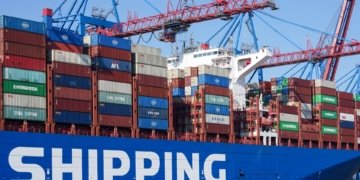
He called for stronger links between the Port of Antwerp-Bruges and the Port of Mombasa.
The president urged investors to focus on value addition rather than exporting raw materials. Kenya grows nearly 40% of Europe’s cut flowers, is the world’s largest exporter of black tea and is a leading exporter of avocados.
“I say to Belgian manufacturers, do not buy Africa’s raw materials to add value elsewhere. Come and build with us. Process Kenya’s minerals in Kenya and Africa, on clean power, and help Europe secure the supply chains it needs. Make it in Kenya. Make it in Africa. Make it clean. Sell it in Europe and to the world,” Ruto said.
Agreements worth Sh20.7 billion ($161 million) were signed in Brussels, including Sh15.3 billion ($119 million) under the EU-Kenya Digital Partnership, which aims to accelerate digital transformation, expand internet connectivity and create jobs for young people.
“Africa is not a problem to be managed. It is the opportunity of this century. Kenya is your gateway to that opportunity,” Ruto said.