

NAIROBI
Noir Fashion Week will return to Nairobi from Aug. 6-9, 2026, placing Kenya back on the global fashion calendar as debate continues over the country’s textile industry.
The event is part of Noir’s international tour, which also includes Paris, New York and South Africa.
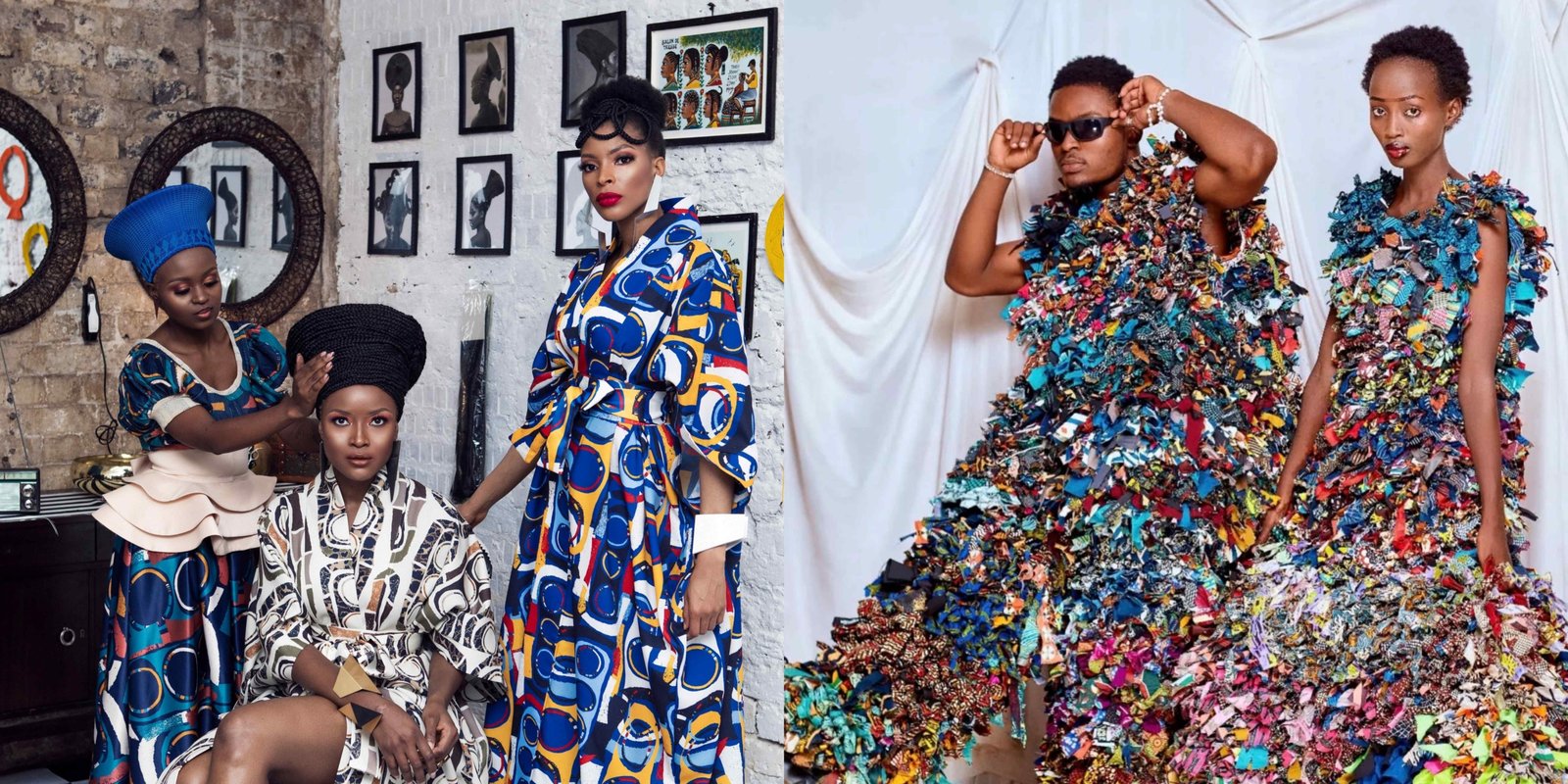
This year’s Nairobi edition, themed “The African Code,” will explore how African textiles, traditions and design continue to shape global luxury.
Founder Nichole M. Bess said the event’s return reflects a long-term commitment to Kenya. “Nairobi represents a critical node in the global fashion ecosystem we are building.”
South African stylist Itumeleng Kwele, whose past work includes collaborations with Robb Report Africa and Billboard, will serve as resident creative director. Talent Africa Group Kenya is providing local production support.
The event will be held in Tigoni, northwest of Nairobi, an area known for its tea estates and colonial-era homes that organizers say reflects the event’s heritage-inspired luxury positioning.
The four-day program begins with the Power 30 Awards on Aug. 6, followed by the Global Fashion Summit and Africa Luxury Runway on Aug. 7. A Street Culture and Emerging Runway showcase takes place Aug. 8, before the Noir Locale Market on Aug. 9 connects designers directly with consumers.
The celebration comes as Kenya’s textile manufacturing sector continues to face pressure from rising imports of secondhand clothing, commonly known as mitumba.
The Kenya Association of Manufacturers has warned that expanding mitumba imports could weaken Kenya’s textile and apparel industry under the African Continental Free Trade Area (AfCFTA).
“While secondhand clothing provides affordable options for many Kenyans, this policy shift raises critical concerns, including unfair competition, weakened industrial growth and illicit trade,” KAM CEO Tobias Alando said.
Alando said the government should invest in cotton farming, textile mills and artisan training to rebuild a globally competitive textile industry.
A report by the Mitumba Consortium Association of Kenya and the Institute of Economic Affairs said the trade supports at least 2 million jobs and generates about 12 billion Kenyan shillings in annual tax revenue, arguing that secondhand clothing and local manufacturing can coexist.
Organizers say the Nairobi edition aims to strengthen the city’s role in the global fashion industry while showcasing African creativity to international luxury markets.
Whether that visibility translates into stronger local manufacturing remains an open question.