
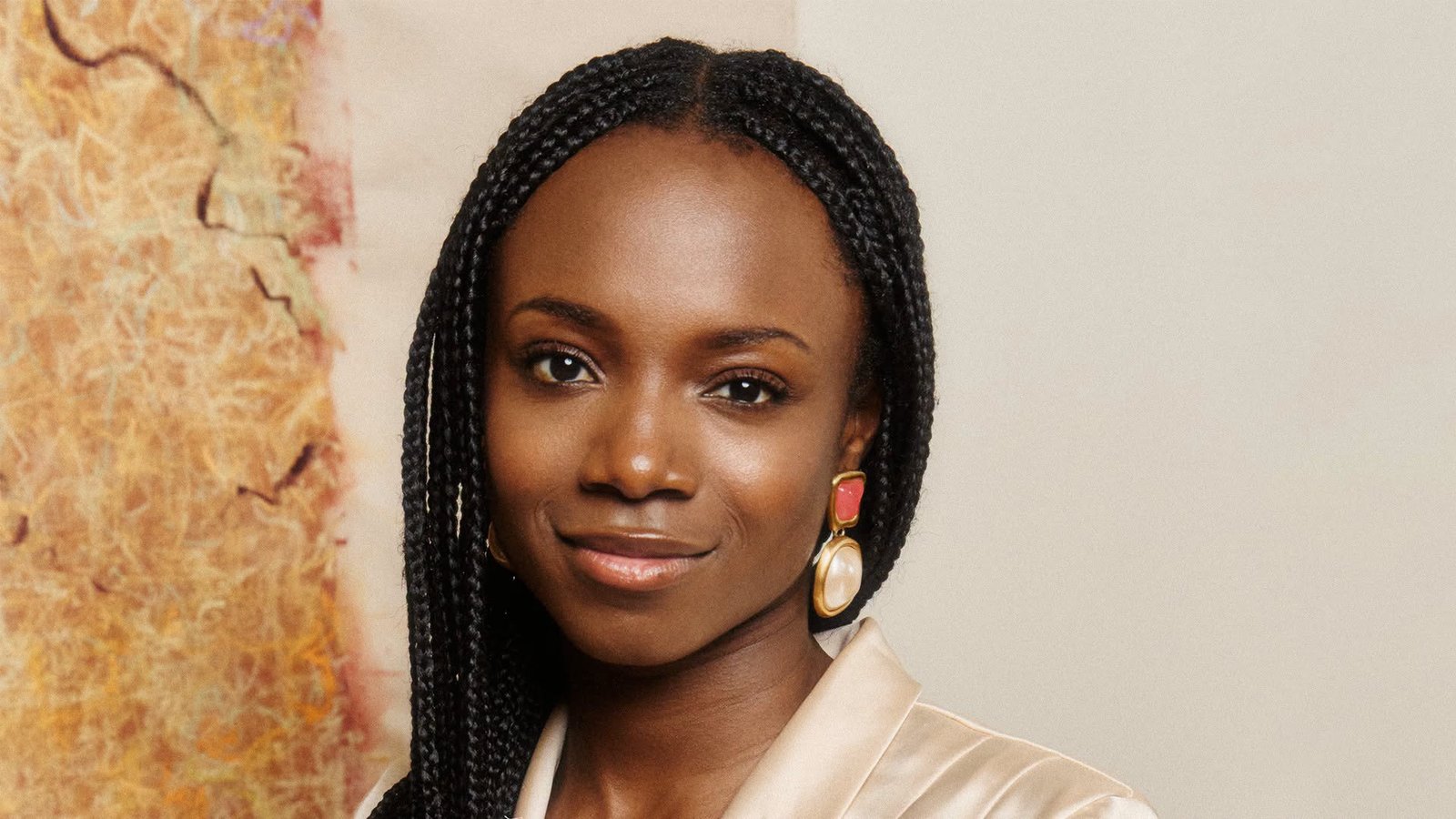

Nigerian-American engineer and entrepreneur Yinka Ogunbiyi has raised $7 million in seed funding for Halo, a technology company developing robotic tools for textured hair care, as it prepares to launch HaloBraid, a device designed to help stylists complete braids more quickly.
In a social media post published Friday, July 24, 2026, the U.S. Embassy in Nigeria spotlighted Ogunbiyi’s innovation, describing HaloBraid as the world’s first braid-assist robot and saying it helps ease the physical demands on stylists while saving time for salons.
The embassy characterized the achievement as an example of “American innovation” with “global impact.”
The funding round was led by Alexis Ohanian’s venture capital firm, Seven Seven Six, with participation from AlleyCorp and Bling Capital, according to the company.
Ogunbiyi, a 2023 Harvard University MS/MBA graduate, said she founded Halo after reflecting on the countless hours spent getting her own hair braided and the physical demands placed on professional stylists.
“Halo gives that time back,” Ogunbiyi wrote in a post announcing the funding. “I started Halo because I couldn’t imagine a future where I take a self-driving car to a six-hour manual braiding appointment.”
She said billions of hours are spent braiding textured hair each year and that the practice has changed little over thousands of years.
According to Ogunbiyi, Halo was created to reclaim time for people with textured hair while helping stylists grow their businesses without sacrificing their health.
Halo says its patent-pending HaloBraid device is the first braid-assist robot designed for textured hair.
The collaborative robotic system attaches to a salon chair and works alongside stylists rather than replacing them. Stylists part the hair and begin each braid by hand, while the device completes the repetitive weaving process.
How HaloBraid Works
According to the company, the technology can reduce overall braiding appointment times by about half, while Ogunbiyi has also described HaloBraid as enabling stylists to complete braids up to five times faster. Halo says the device is designed to operate gently without pulling or tangling hair and aims to reduce repetitive strain injuries experienced by professional braiders.
“Your stylist parts your hair and starts each braid; Halo finishes it, flawlessly and gently, with no pulling or discomfort,” Ogunbiyi said. “We built it to assist, not to replace, so that stylists can grow their business without destroying their hands and bodies.”
The company says more than 7,000 salons have joined the waitlist ahead of HaloBraid’s commercial rollout, which is expected to begin later this year in cities including Boston and Los Angeles.
Halo describes itself as a technology company building products for textured hair through engineering and human-centered design.
Its first commercial product, HaloBraid, is intended to address the lengthy appointments associated with protective hairstyles, which can often last six hours or more.
In announcing the company’s launch, Halo said braiding remains one of the world’s oldest and most labor-intensive beauty practices, with billions of hours spent each year on braided hairstyles.
The company said its goal is to reduce appointment times while allowing stylists to maintain creative control over the finished style.
The funding comes as investors continue to back startups applying robotics and automation to specialized industries.
Halo says its focus is on building technology specifically for textured hair, an area Ogunbiyi argues has historically received limited technological innovation despite serving billions of people worldwide.
The announcement has also drawn positive reactions from many Nigerians on social media, where users have celebrated Ogunbiyi’s achievement and the prospect of technology that could modernize a centuries-old craft while preserving the role of professional braiders.