

LUANDA
African Union member states have adopted the Luanda Declaration, committing to move beyond policy commitments and accelerate implementation of Africa’s blue economy agenda through stronger financing, governance and accountability.
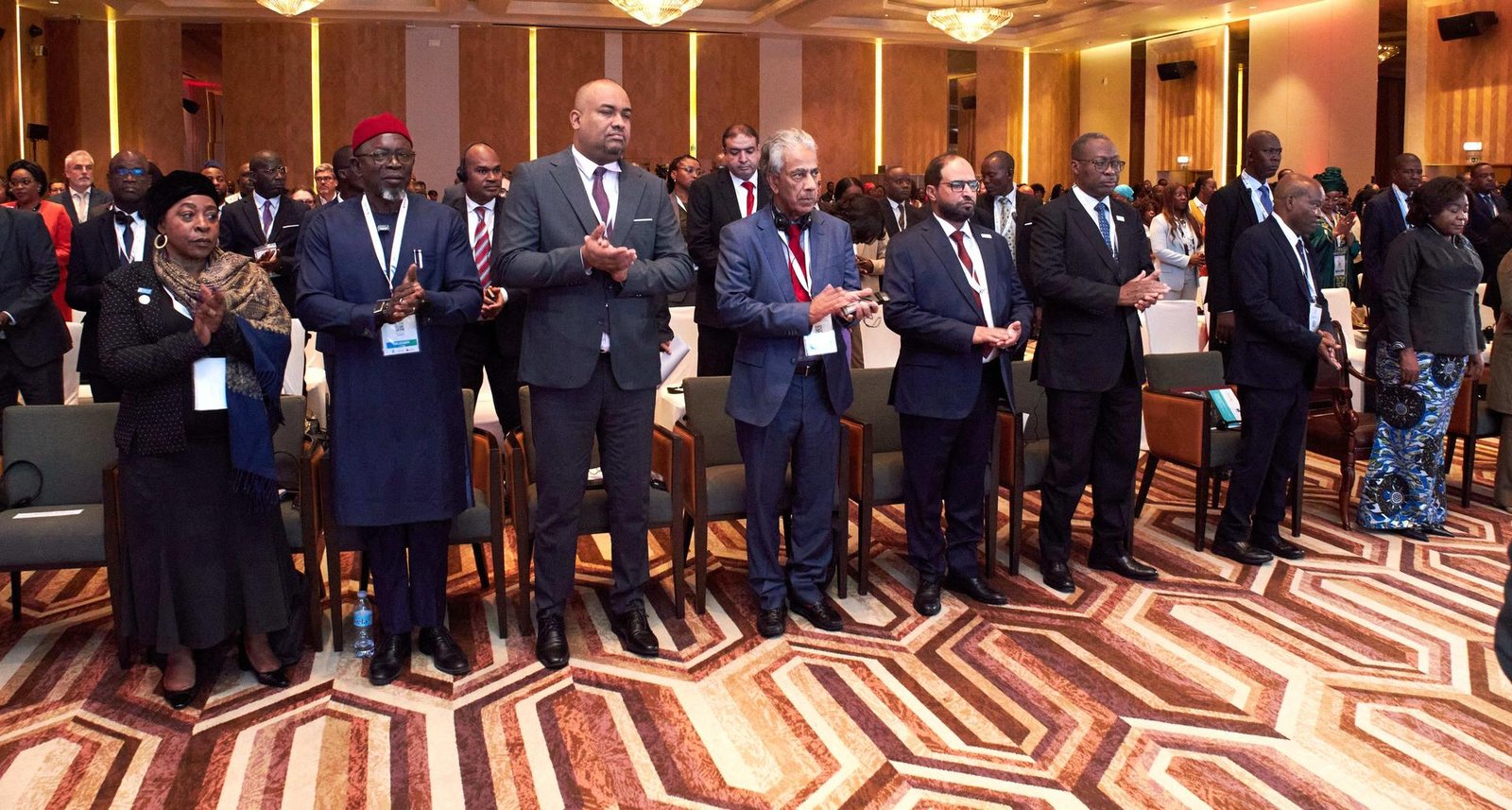
The declaration was adopted at the Third Africa Blue Economy Week in Luanda, Angola, where ministers and heads of delegation agreed that the continent must shift from planning to delivery.
The meeting, hosted by the Government of Angola with the African Union Commission and the United Nations Development Programme (UNDP) from July 22 to 24, brought together policymakers, development partners, financiers, researchers, businesses and civil society under the theme “From Strategy to Action. Political Leadership for Africa’s Blue Economy Transformation.”
The declaration recognizes Africa’s oceans, seas, rivers and lakes as strategic assets that can drive economic growth, food security, jobs, climate resilience and regional integration.
It also acknowledges that while many countries have adopted blue economy policies, implementation has lagged because of fragmented governance, limited financing and weak institutional capacity.
In the declaration, ministers effectively state that the era of broad commitments is over and that future progress will depend on political leadership, predictable financing and measurable results.
They commit to integrating the African Union Blue Economy Strategy into national development plans by 2028 with clear targets, budgets and accountability mechanisms.
A Major Focus is Financing
Member states pledged to establish national and regional blue economy financing mechanisms by 2027, including blue funds, blue bonds, insurance instruments and blended finance, while increasing domestic investment to reduce reliance on external funding.
The declaration also encourages innovative financing tools such as biodiversity credits.
The agreement also prioritizes action against illegal, unreported and unregulated fishing, stronger efforts to reduce marine pollution, expanded protection of marine and freshwater ecosystems and greater investment in sustainable fisheries, aquaculture, ports, shipping, tourism and offshore renewable energy. Governments further committed to improving data systems to better measure the blue economy’s contribution to national economies.
The declaration places strong emphasis on inclusion. Ministers committed to increasing the participation of women, young people and local communities in decision-making and financing, with a target of at least 40 percent representation in advisory bodies and funding programs.
In a forward-looking commitment, African leaders called on development finance institutions, private investors and international partners to align their support with African-led priorities.
The declaration also mandates the African Union Commission to prepare a continental implementation roadmap for 2026 through 2030 with annual indicators and regular progress reports, signaling that future success will be judged by delivery rather than ambition alone.