

ABUJA
African governments and technology partners have launched ATLAS Umoja AI, a pan-African initiative aimed at accelerating the development of artificial intelligence in African languages, marking a new push to ensure the continent’s AI future is built around local cultures, communities and development priorities.
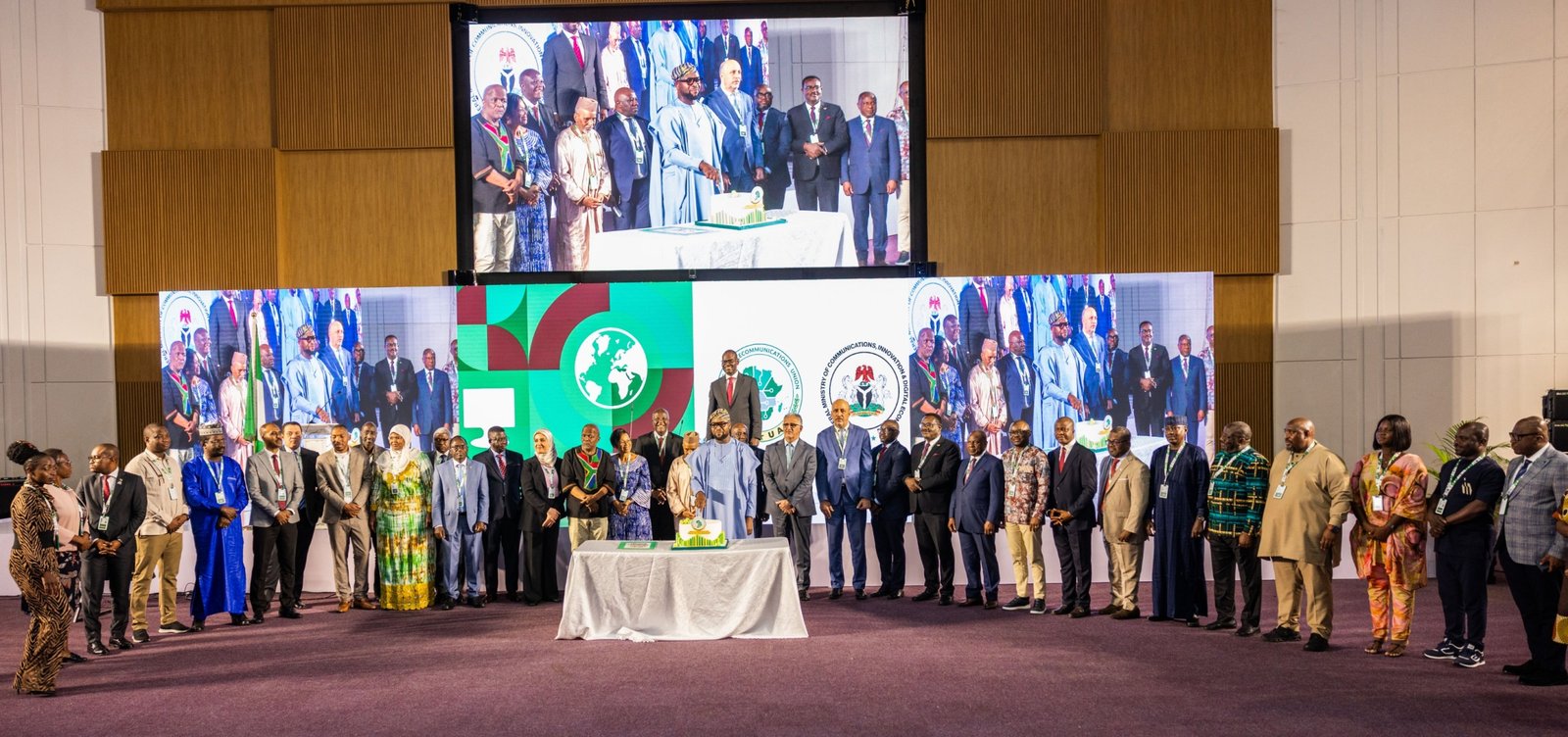
The initiative was unveiled during the African Telecommunications Union Conference of Plenipotentiaries, held in Abuja on July 23-24, 2026, and is backed by the governments of Benin, Kenya, Namibia, Nigeria and Togo, alongside the GSMA, Awarri, Zindi, Pawa AI and Mozisha.
Designed to complement national AI strategies, ATLAS Umoja AI will bring together governments, researchers and industry to share datasets, expertise and best practices to develop trusted, scalable AI systems that better reflect Africa’s linguistic and cultural diversity.
Supporters say the initiative will also help attract investment, strengthen national AI capabilities and expand access to digital services across the continent.
The launch comes as African ministers adopted the Abuja Ministerial Declaration on Meaningful Connectivity for Africa, committing governments to policies that promote digital inclusion, resilient digital infrastructure, technology-neutral regulation and greater regional cooperation to close connectivity and internet usage gaps.
While the declaration sets the policy direction, ATLAS Umoja AI represents one of the first collaborative initiatives intended to translate those commitments into practical action.
“The Abuja Ministerial Declaration sends an important signal that African governments share a common vision for delivering meaningful connectivity through modern, evidence-based and investment-friendly policy,” said Caroline Mbugua, GSMA senior director for public policy in Africa.
According to the GSMA, the initiative builds on momentum generated by the AI for Good Global Commission, whose members include ministers from Nigeria, Namibia and Togo.
The three countries have committed to supporting ATLAS Umoja AI as part of broader efforts to advance trusted and inclusive AI across Africa.
Angela Wamola, GSMA’s head of Africa, said developing AI in African languages could help address two of the biggest barriers to internet adoption on the continent: limited digital literacy and the lack of locally relevant content.
Nigeria’s Minister of Communications, Innovation and Digital Economy, Dr. Bosun Tijani, said the initiative builds on the country’s N-ATLAS program and expands that model across Africa.
“Artificial intelligence will be a defining technology for Africa’s future, but its benefits must be built on our own languages, cultures and knowledge systems,” Tijani said.
Technology partners also emphasized the importance of locally developed AI.
Silas Adekunle, founder and CEO of Awarri, said the initiative demonstrates how African language data and local technical talent can be combined to develop AI systems designed for African communities.
Zindi CEO and co-founder Celina Lee said empowering African researchers, developers and data scientists would help ensure African language AI is “developed by Africans, for Africans.”
Alongside the launch, policymakers attending the ATU conference continued discussions on future-ready regulatory frameworks, including satellite connectivity, spectrum policy and technology-neutral licensing.
Drawing on the GSMA’s Satellite Regulatory Playbook, delegates explored how regulatory reforms could encourage investment and expand meaningful connectivity across the continent.
The GSMA, a global organization representing the mobile ecosystem, described both the Abuja Declaration and the launch of ATLAS Umoja AI as complementary efforts to strengthen Africa’s digital transformation through collaboration among governments, industry and development partners.