

NAIROBI
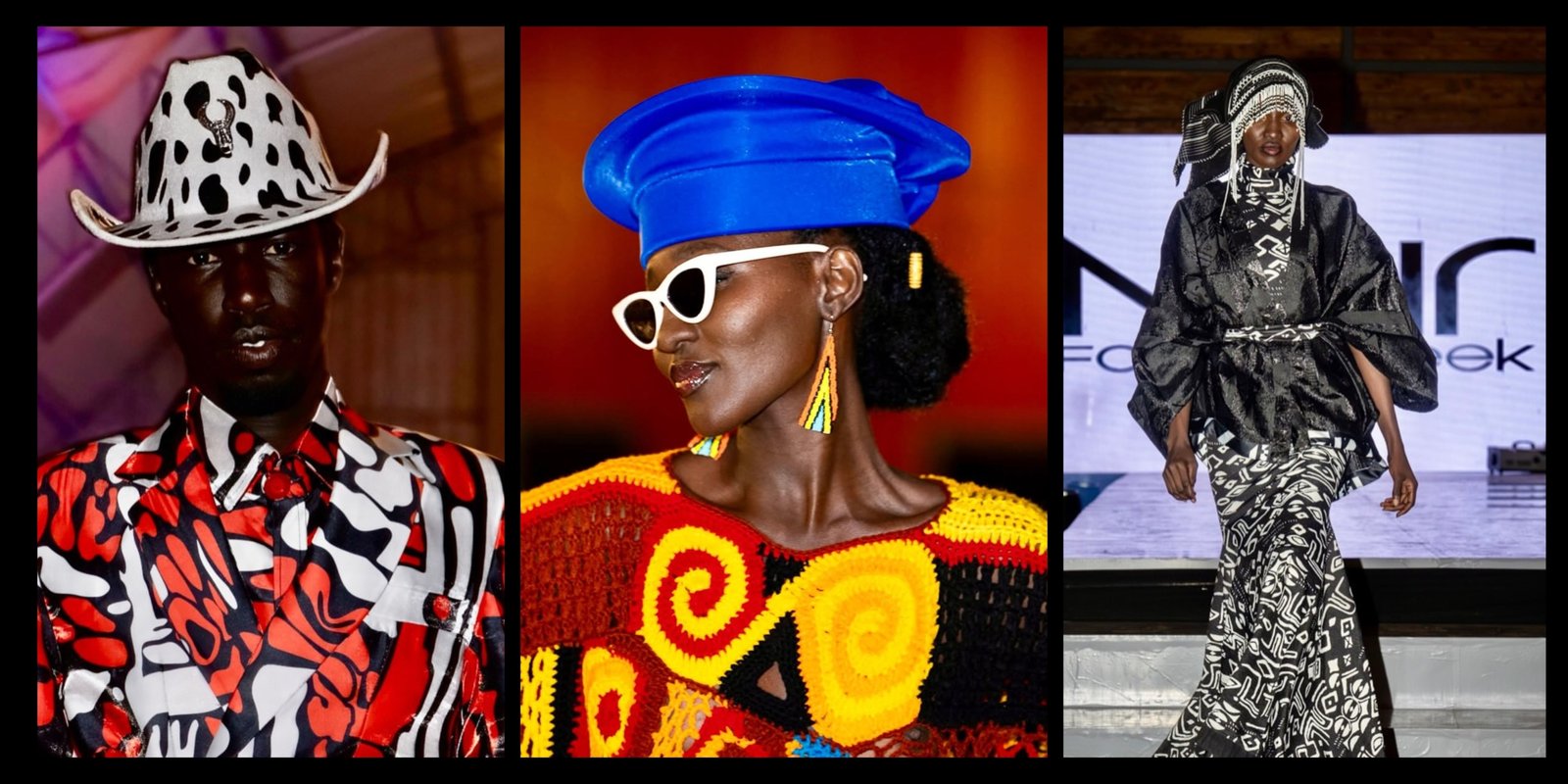
The second Noir Fashion Week was held in Nairobi from Aug. 6 to 9, bringing together designers, buyers, diplomats, investors and cultural leaders to discuss Africa’s expanding influence in the global luxury fashion industry.
Held under the theme “The African Code,” the four-day showcase took place in Tigoni, an area northwest of the capital known for its tea estates and colonial-era homes. Organizers said they chose the setting to reflect the event’s positioning of African luxury as rooted in heritage rather than imitation of Western fashion houses.
Industry experts who spoke at the event said African design is increasingly shifting from a source of inspiration for global fashion houses to a commercial force in its own right.
UNESCO estimates the apparel and footwear market in sub-Saharan Africa is worth about $31 billion, while global luxury houses have increased their use of African prints and motifs by 15% since 2019.
The continent’s luxury market generated nearly $6 billion in revenue in 2022, and UNESCO projects demand for African haute couture to grow by 42% over the next decade.
Noir Fashion Week founder Nicole M. Bess said the industry was moving into a new phase.
“We are moving past the era where African culture is treated as passive inspiration for Western fashion houses,” she said, calling for African designers to strengthen their commercial systems, protect their intellectual property and gain greater access to international markets.
That shift is already visible in cross-border partnerships. South African designer Palesa Mokubung, founder and creative director of Mantsho, became the first African designer to collaborate with H&M, while Senegalese brand Tongoro has partnered with Canadian jewelry house Birks.
Resident Creative Director Itumeleng Kwele said the showcase was built around Africa’s material and cultural heritage.
“The African Code explored the continent’s profound material intelligence, bringing together architectural silhouettes, textile traditions, craftsmanship and contemporary design,” he said.
The Nairobi edition featured Mokubung alongside brands including Peter and Black, Tausi, Asili Luxe, Gims Exclusive, Kola Kasi, Exclaim, Essien Brand and Imprint. It drew backing from institutions and companies including Kenya Airways, MAC Cosmetics and the British Council.
The event came as Kenya continues to grapple with a shrinking domestic textile manufacturing base and the growing dominance of mitumba, or secondhand clothing imports, a tension that industry players say underscores the gap between creative visibility and local manufacturing capacity.
According to the organizers, Nairobi’s role in the event reflects a broader ambition to position the city as a critical node connecting African fashion with global markets, alongside stops in Paris, New York and South Africa.
Noir Fashion Week. Photo by Benoit Feron (Instagram: @benoitferonphotography)