

ADDIS ABABA
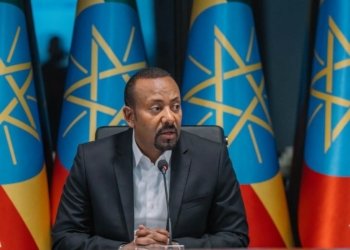
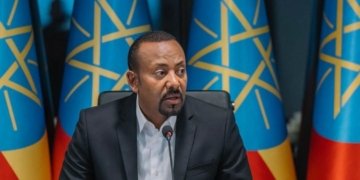
Prime Minister Abiy Ahmed reaffirmed Ethiopia’s commitment to peace, regional cooperation and mutual development in the Horn of Africa on Thursday, emphasizing the country’s readiness to defend its sovereignty against external aggression.
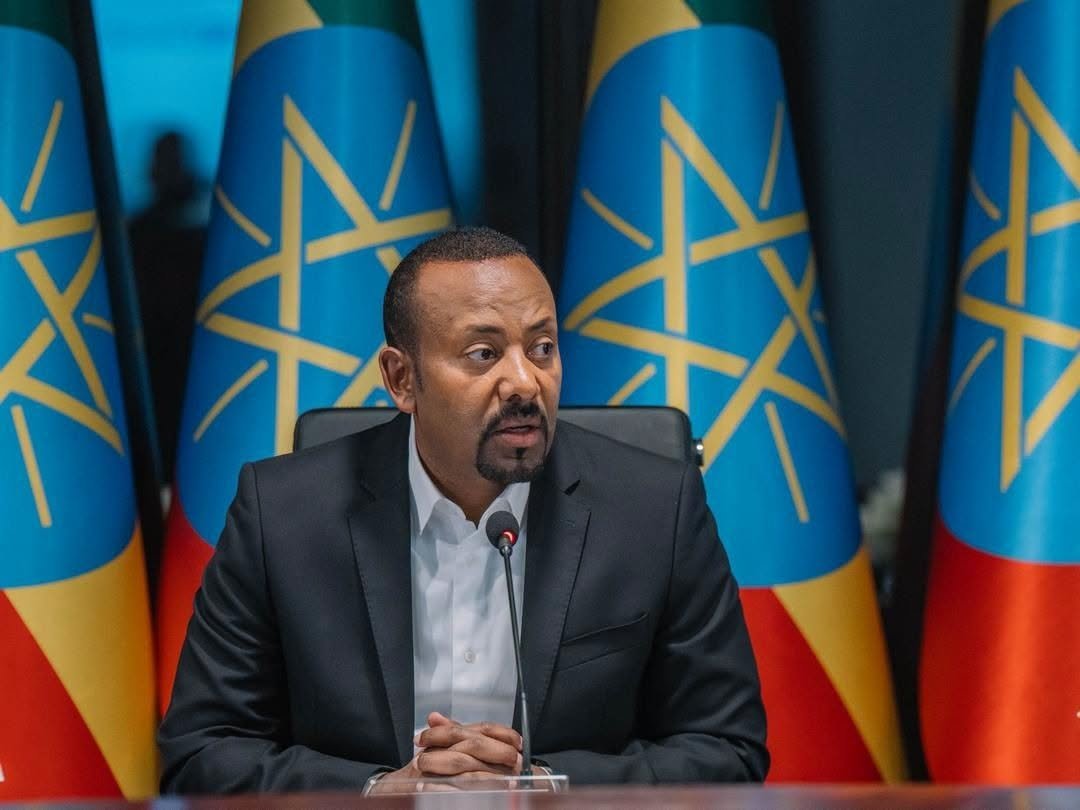
Addressing the fourth regular session of the seventh parliament’s first year, Abiy outlined Ethiopia’s foreign policy, regional security priorities and military capabilities.
“No one can come to Ethiopia’s border, invade it, and return with honor,” Abiy told lawmakers.
He said Ethiopia has no intention of invading another country but warned that any force attempting to violate its territorial integrity would face a decisive response.
“We will repeat Adwa,” Abiy said, referring to Ethiopia’s historic victory over Italian invading forces in 1896.
The prime minister said Ethiopia had recently acquired Su-35 fighter jets as part of broader military modernization efforts to deter external threats, protect national airspace and assist neighboring countries during regional crises.
He said Ethiopia’s defense strategy rests on four pillars: early detection of geopolitical developments, conflict prevention, decisive responses to attacks and sustaining peace following military victories.
Relations with Eritrea
Abiy accused the Eritrean government of rejecting Ethiopia’s repeated efforts to promote bilateral cooperation and economic development.
He cited several initiatives he said Eritrea had declined, including offers to facilitate diplomatic engagement with neighboring countries, build power transmission lines at Ethiopia’s expense and supply electricity at Ethiopian domestic rates.
Other proposals included joint road and port development projects aimed at strengthening economic ties between the two countries.
While acknowledging Eritrea’s initial support following the attack on Ethiopia’s Northern Command, Abiy said relations deteriorated over alleged killings, looting and infrastructure destruction in Tigray.
He added that tensions increased following the signing of the Pretoria Peace Agreement, which ended two years of fighting between the Ethiopian federal government and Tigrayan forces in November 2022.
Abiy called on Eritrea to stop arming groups hostile to Ethiopia and prevent its territory from being used as a weapons supply route.
He also urged Asmara to pursue joint development initiatives, saying Ethiopia was prepared to provide ideas, funding and labor if Eritrea agreed to cooperate.
The prime minister maintained that peaceful coexistence remained possible but warned that continued hostile actions by the Eritrean leadership could have damaging consequences for Eritrea itself.
Commitment to Regional Stability
Abiy highlighted Ethiopia’s peacekeeping contributions in Rwanda, Somalia, the Democratic Republic of Congo, Liberia and South Sudan as evidence of its commitment to regional and continental stability.
He said Ethiopia’s military capabilities were intended not only to safeguard its sovereignty but also to contribute to peace and security in neighboring countries.
Addressing the ongoing conflict in Sudan, Abiy urged the warring factions to pursue a peaceful resolution, emphasizing the importance of regional stability.
He reiterated that Ethiopia remained committed to supporting peace in neighboring countries and promoting cooperation and shared economic development.
“Sudan’s peace is our peace as well,” Abiy said.