

Bantu Gazette

Bantu Gazette
  • Energy & Trade
  • Finance
  • Health
  • Politics & Economy
  • Technology
  • Environment
  • Feature
  • Opinion
  • Changemakers
  • Tourism & Culture
  • Sports
  • Magazine
Menu
  • Black Frame Studio
  • Magazine

African Free Trade Area Offers Path to Poverty Reduction in Southern Africa

African Free Trade Area Offers Path to Poverty Reduction in Southern Africa
Felix Tihby Felix Tih
March 8, 2025
Reading Time: 3 mins read

African Free Trade Area Offers Path to Poverty Reduction in Southern Africa

African Free Trade Area Offers Path to Poverty Reduction in Southern Africa
Felix Tihby Felix Tih
July 16, 2025
Reading Time: 3 mins read

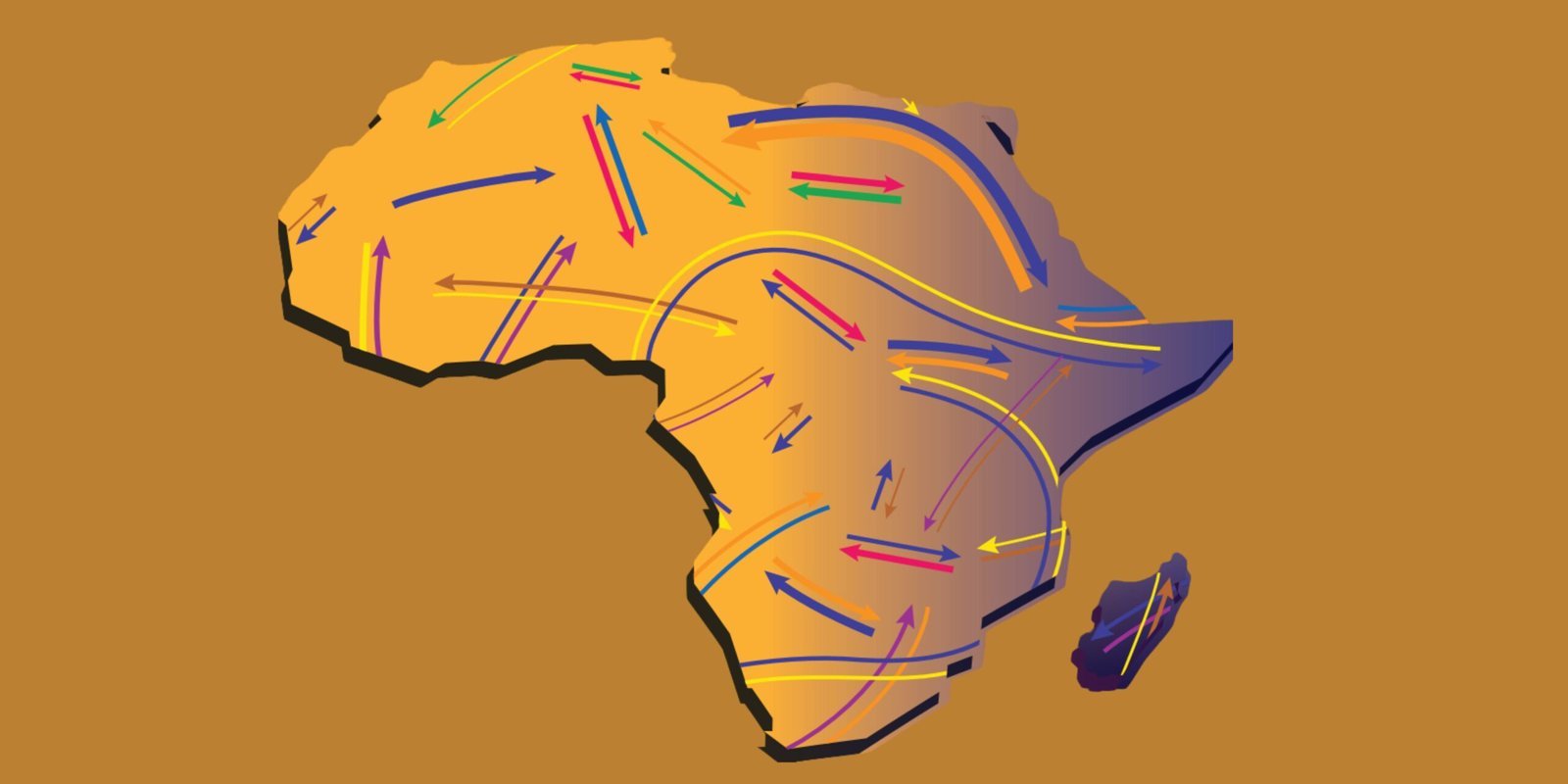
JOHANNESBURG (BG) — Southern Africa faces persistent challenges in poverty and inequality, but the African Continental Free Trade Area (AfCFTA) presents an opportunity to drive economic growth and improve living standards in the region.

A recent report by the United Nations Economic Commission for Africa examines how the trade agreement can be leveraged to address these socioeconomic issues.

The report highlights that nearly half of Southern Africa’s population lives in extreme poverty, with countries such as Mozambique, Angola, Malawi, Zambia and Namibia experiencing high levels of multidimensional poverty.

Mozambique, for instance, has 73.1% of its population classified as multidimensionally poor.

Despite the region’s wealth in natural resources—including oil, gas and minerals—economic disparities persist due to structural challenges such as unemployment, low education levels and corruption.

The AfCFTA, officially launched in January 2021, aims to create a single market for goods and services across the continent, according to the report titled “Leveraging the African Continental Free Trade Area for the Reduction of Poverty and Inequality in Southern Africa.”

The agreement is expected to enhance industrialization, digitalization and value-chain development by eliminating trade barriers.

Increased intra-African trade is projected to generate better-paying jobs, attract foreign investments and foster economic diversification, ultimately reducing poverty and inequality.

The report also notes significant challenges in implementing the AfCFTA. Many Southern African economies face capacity constraints that limit their ability to scale up production and increase exports.

Protectionist policies in some countries hinder the full benefits of regional integration.

The high cost of trade, infrastructure deficits and non-tariff barriers pose challenges that must be addressed to fully realize the agreement’s potential.

Despite these challenges, the report suggests that if properly implemented, the AfCFTA could become a key instrument in reducing poverty and inequality in Southern Africa.

Governments must invest in infrastructure, education and policy reforms to maximize the benefits of economic integration.

Increased trade and industrial development, along with targeted social programs, could significantly improve livelihoods and reduce economic disparities across the region.

“Apart from creating business opportunities for women and young people, the economic and non-economic channels can enable Governments to overcome poverty, inequality and disaster vulnerability in Southern Africa,” the report said.

AfCFTA at a Glance

In 2012, the Assembly of Heads of State and Government of the African Union adopted a decision to establish the AfCFTA. Negotiations began in 2015 in Johannesburg and concluded in March 2018 in Kigali, where the agreement was signed shortly after.

It took effect in May 2019, and the trade area was officially launched in January 2021.

The AfCFTA is the largest regional free trade area in the world by membership, population, and size, covering approximately 1.3 billion people and a GDP of around $3.4 trillion.

It enjoys strong support from African governments, as shown by the fact that as of May 2023, almost all had signed the agreement, and well over four-fifths had ratified it, including nine in Southern Africa, according to the ECA.

Get the inside Story

Stay informed on the stories shaping Africa’s future. Get breaking news, in-depth analysis, opinions and exclusive insights from across the continent delivered to your inbox, free and unfiltered.


Get in touch for more:
Felix Tih
Editorial Director, Bantu Gazette
WhatsApp
LinkedIn
X (Twitter)
Instagram

Related Posts

Ethiopia’s Banking Sector Gains Strength as Reforms Draw Foreign Investors
Politics & Economy

Ethiopia’s Banking Sector Gains Strength as Reforms Draw Foreign Investors

March 18, 2026
Cameroon Elects Théodore Datouo as National Assembly Speaker
Politics & Economy

Cameroon Elects Théodore Datouo as National Assembly Speaker

March 17, 2026
Southern African Countries Cut Mobile Roaming Costs Under Regional Framework
Politics & Economy

Southern African Countries Cut Mobile Roaming Costs Under Regional Framework

March 16, 2026
Africa Emerges as the Global Swing Bloc in a Shifting Global Order
Politics & Economy

Africa Emerges as the Global Swing Bloc in a Shifting Global Order

March 11, 2026
Mame Khady Diouf: A Rising Force in Peace Negotiations and Mediation
Politics & Economy

Mame Khady Diouf: A Rising Force in Peace Negotiations and Mediation

March 11, 2026
Nigeria’s Tinubu Hails Economic Growth After 2025 Gains, Tax Reforms
Politics & Economy

Nigeria Records 4.07% GDP Growth in Q4 2025 as Reforms Boost Key Sectors

March 3, 2026

Most Recent

Morocco’s Long-Term Planning Shapes Africa Cup of Nations 2025
Sports

Morocco Declared AFCON Champion After CAF Strips Senegal of Title

by Felix Tih
March 18, 2026
0

The Confederation of African Football said Tuesday that Morocco have been declared winners of the 2025 Africa Cup of Nations...

Read moreDetails
Ethiopia’s Banking Sector Gains Strength as Reforms Draw Foreign Investors

Ethiopia’s Banking Sector Gains Strength as Reforms Draw Foreign Investors

March 18, 2026
Cameroon Elects Théodore Datouo as National Assembly Speaker

Cameroon Elects Théodore Datouo as National Assembly Speaker

March 17, 2026
Southern African Countries Cut Mobile Roaming Costs Under Regional Framework

Southern African Countries Cut Mobile Roaming Costs Under Regional Framework

March 16, 2026
Ethiopia’s Tesfay Runs Second-Fastest Women’s Marathon Ever in Barcelona

Ethiopia’s Tesfay Runs Second-Fastest Women’s Marathon Ever in Barcelona

March 15, 2026
Côte d’Ivoire Receives Sacred Drum Seized During Colonial Rule

Côte d’Ivoire Receives Sacred Drum Seized During Colonial Rule

March 15, 2026
Mozambique Launches $28 Million Recovery Project in Conflict-Hit North

Mozambique Launches $28 Million Recovery Project in Conflict-Hit North

March 15, 2026
Morocco’s Long-Term Planning Shapes Africa Cup of Nations 2025
Sports

Morocco Declared AFCON Champion After CAF Strips Senegal of Title

by Felix Tih
Reading Time: 2 mins read
March 18, 2026
0

The Confederation of African Football said Tuesday that Morocco have been declared winners of the 2025 Africa Cup of Nations...

Read moreDetails
Ethiopia’s Banking Sector Gains Strength as Reforms Draw Foreign Investors
Politics & Economy

Ethiopia’s Banking Sector Gains Strength as Reforms Draw Foreign Investors

by Abel Gorfu Asefa
Reading Time: 1 min read
March 18, 2026
0

Ethiopia’s banking sector showed improved resilience and stronger financial indicators over the past fiscal year, the National Bank of Ethiopia...

Read moreDetails
Cameroon Elects Théodore Datouo as National Assembly Speaker
Politics & Economy

Cameroon Elects Théodore Datouo as National Assembly Speaker

by Seraphine Biyogo
Reading Time: 1 min read
March 17, 2026
0

Cameroon’s National Assembly on Tuesday elected Théodore Datouo as speaker, marking the first leadership change in the chamber in more...

Read moreDetails

African Free Trade Area Offers Path to Poverty Reduction in Southern Africa

African Free Trade Area Offers Path to Poverty Reduction in Southern Africa

JOHANNESBURG (BG) — Southern Africa faces persistent challenges in poverty and inequality, but the African Continental Free Trade Area (AfCFTA) presents an opportunity to drive economic growth and improve living standards in the region.

A recent report by the United Nations Economic Commission for Africa examines how the trade agreement can be leveraged to address these socioeconomic issues.

The report highlights that nearly half of Southern Africa’s population lives in extreme poverty, with countries such as Mozambique, Angola, Malawi, Zambia and Namibia experiencing high levels of multidimensional poverty.

Mozambique, for instance, has 73.1% of its population classified as multidimensionally poor.

Despite the region’s wealth in natural resources—including oil, gas and minerals—economic disparities persist due to structural challenges such as unemployment, low education levels and corruption.

The AfCFTA, officially launched in January 2021, aims to create a single market for goods and services across the continent, according to the report titled “Leveraging the African Continental Free Trade Area for the Reduction of Poverty and Inequality in Southern Africa.”

The agreement is expected to enhance industrialization, digitalization and value-chain development by eliminating trade barriers.

Increased intra-African trade is projected to generate better-paying jobs, attract foreign investments and foster economic diversification, ultimately reducing poverty and inequality.

The report also notes significant challenges in implementing the AfCFTA. Many Southern African economies face capacity constraints that limit their ability to scale up production and increase exports.

Protectionist policies in some countries hinder the full benefits of regional integration.

The high cost of trade, infrastructure deficits and non-tariff barriers pose challenges that must be addressed to fully realize the agreement’s potential.

Despite these challenges, the report suggests that if properly implemented, the AfCFTA could become a key instrument in reducing poverty and inequality in Southern Africa.

Governments must invest in infrastructure, education and policy reforms to maximize the benefits of economic integration.

Increased trade and industrial development, along with targeted social programs, could significantly improve livelihoods and reduce economic disparities across the region.

“Apart from creating business opportunities for women and young people, the economic and non-economic channels can enable Governments to overcome poverty, inequality and disaster vulnerability in Southern Africa,” the report said.

AfCFTA at a Glance

In 2012, the Assembly of Heads of State and Government of the African Union adopted a decision to establish the AfCFTA. Negotiations began in 2015 in Johannesburg and concluded in March 2018 in Kigali, where the agreement was signed shortly after.

It took effect in May 2019, and the trade area was officially launched in January 2021.

The AfCFTA is the largest regional free trade area in the world by membership, population, and size, covering approximately 1.3 billion people and a GDP of around $3.4 trillion.

It enjoys strong support from African governments, as shown by the fact that as of May 2023, almost all had signed the agreement, and well over four-fifths had ratified it, including nine in Southern Africa, according to the ECA.

African Free Trade Area Offers Path to Poverty Reduction in Southern Africa

African Free Trade Area Offers Path to Poverty Reduction in Southern Africa
Felix Tihby Felix Tih
March 8, 2025

JOHANNESBURG (BG) — Southern Africa faces persistent challenges in poverty and inequality, but the African Continental Free Trade Area (AfCFTA) presents an opportunity to drive economic growth and improve living standards in the region.

A recent report by the United Nations Economic Commission for Africa examines how the trade agreement can be leveraged to address these socioeconomic issues.

The report highlights that nearly half of Southern Africa’s population lives in extreme poverty, with countries such as Mozambique, Angola, Malawi, Zambia and Namibia experiencing high levels of multidimensional poverty.

Mozambique, for instance, has 73.1% of its population classified as multidimensionally poor.

Despite the region’s wealth in natural resources—including oil, gas and minerals—economic disparities persist due to structural challenges such as unemployment, low education levels and corruption.

The AfCFTA, officially launched in January 2021, aims to create a single market for goods and services across the continent, according to the report titled “Leveraging the African Continental Free Trade Area for the Reduction of Poverty and Inequality in Southern Africa.”

The agreement is expected to enhance industrialization, digitalization and value-chain development by eliminating trade barriers.

Increased intra-African trade is projected to generate better-paying jobs, attract foreign investments and foster economic diversification, ultimately reducing poverty and inequality.

The report also notes significant challenges in implementing the AfCFTA. Many Southern African economies face capacity constraints that limit their ability to scale up production and increase exports.

Protectionist policies in some countries hinder the full benefits of regional integration.

The high cost of trade, infrastructure deficits and non-tariff barriers pose challenges that must be addressed to fully realize the agreement’s potential.

Despite these challenges, the report suggests that if properly implemented, the AfCFTA could become a key instrument in reducing poverty and inequality in Southern Africa.

Governments must invest in infrastructure, education and policy reforms to maximize the benefits of economic integration.

Increased trade and industrial development, along with targeted social programs, could significantly improve livelihoods and reduce economic disparities across the region.

“Apart from creating business opportunities for women and young people, the economic and non-economic channels can enable Governments to overcome poverty, inequality and disaster vulnerability in Southern Africa,” the report said.

AfCFTA at a Glance

In 2012, the Assembly of Heads of State and Government of the African Union adopted a decision to establish the AfCFTA. Negotiations began in 2015 in Johannesburg and concluded in March 2018 in Kigali, where the agreement was signed shortly after.

It took effect in May 2019, and the trade area was officially launched in January 2021.

The AfCFTA is the largest regional free trade area in the world by membership, population, and size, covering approximately 1.3 billion people and a GDP of around $3.4 trillion.

It enjoys strong support from African governments, as shown by the fact that as of May 2023, almost all had signed the agreement, and well over four-fifths had ratified it, including nine in Southern Africa, according to the ECA.

Get the inside Story

Stay informed on the stories shaping Africa’s future. Get breaking news, in-depth analysis, opinions and exclusive insights from across the continent delivered to your inbox, free and unfiltered.


Get in touch for more:
Felix Tih
Editorial Director, Bantu Gazette
WhatsApp
LinkedIn
X (Twitter)
Instagram

Related Posts

Ethiopia’s Banking Sector Gains Strength as Reforms Draw Foreign Investors

Ethiopia’s Banking Sector Gains Strength as Reforms Draw Foreign Investors

by Abel Gorfu Asefa
March 18, 2026
0

...

Cameroon Elects Théodore Datouo as National Assembly Speaker

Cameroon Elects Théodore Datouo as National Assembly Speaker

by Seraphine Biyogo
March 17, 2026
0

...

Southern African Countries Cut Mobile Roaming Costs Under Regional Framework

Southern African Countries Cut Mobile Roaming Costs Under Regional Framework

by Jane Mukami
March 16, 2026
0

...

Africa Emerges as the Global Swing Bloc in a Shifting Global Order

Africa Emerges as the Global Swing Bloc in a Shifting Global Order

by Bukelwa Maphanga
March 11, 2026
0

...

Mame Khady Diouf: A Rising Force in Peace Negotiations and Mediation

Mame Khady Diouf: A Rising Force in Peace Negotiations and Mediation

by Felix Tih
March 8, 2026
0

...

Nigeria’s Tinubu Hails Economic Growth After 2025 Gains, Tax Reforms

Nigeria Records 4.07% GDP Growth in Q4 2025 as Reforms Boost Key Sectors

by Elise Ntebah
March 3, 2026
0

...

Morocco’s Long-Term Planning Shapes Africa Cup of Nations 2025
Sports

Morocco Declared AFCON Champion After CAF Strips Senegal of Title

by Felix Tih
Reading Time: 2 mins read
March 18, 2026
0

The Confederation of African Football said Tuesday that Morocco have been declared winners of the 2025 Africa Cup of Nations...

Read moreDetails
Ethiopia’s Banking Sector Gains Strength as Reforms Draw Foreign Investors

Ethiopia’s Banking Sector Gains Strength as Reforms Draw Foreign Investors

by Abel Gorfu Asefa
March 18, 2026
0

Ethiopia’s banking sector showed improved resilience and stronger financial indicators over the past fiscal year, the National Bank of Ethiopia...

Cameroon Elects Théodore Datouo as National Assembly Speaker

Cameroon Elects Théodore Datouo as National Assembly Speaker

by Seraphine Biyogo
March 17, 2026
0

Cameroon’s National Assembly on Tuesday elected Théodore Datouo as speaker, marking the first leadership change in the chamber in more...

Southern African Countries Cut Mobile Roaming Costs Under Regional Framework

Southern African Countries Cut Mobile Roaming Costs Under Regional Framework

by Jane Mukami
March 16, 2026
0

Botswana and five Southern African countries have reduced and harmonized mobile roaming tariffs under a regional initiative aimed at lowering...

Ethiopia’s Tesfay Runs Second-Fastest Women’s Marathon Ever in Barcelona

Ethiopia’s Tesfay Runs Second-Fastest Women’s Marathon Ever in Barcelona

by Abel Gorfu Asefa
March 15, 2026
0

Ethiopia's Fotyen Tesfay ran 2:10:53 in her first marathon Sunday, the fastest debut in women’s marathon history and the second-fastest...

Next Post
Ethiopia Launches Drone Manufacturing Facility

Ethiopia Launches Drone Manufacturing Facility

Cameroon Moves to Tackle Maternal Mortality with New Health Strategy

Cameroon Moves to Tackle Maternal Mortality with New Health Strategy

Ghana’s President Mahama Strengthens Regional Ties on West Africa Tour

Ghana's President Mahama Strengthens Regional Ties on West Africa Tour

Egypt Revives National Flour Fortification Program to Combat Anemia

Egypt Revives National Flour Fortification Program to Combat Anemia

Bantu Gazette is a pioneering news platform that champions Africa's development, culture, and heritage. We spotlight the continent's successes, address its challenges, and provide insightful coverage of events that shape its future.

Bantu Gazette is a pioneering news platform that champions Africa's development, culture, and heritage. We spotlight the continent's successes, address its challenges, and provide insightful coverage of events that shape its future.

Our Platforms

  • Bantu Magazine
  • Bantu Brief
  • Black Frame Studio

Our Services

  • Bantu Agency
  • Advertise
  • Partnerships

Our Services

  • Editorial Director
  • Opportunities
  • Contact

Bantu Gazette is a pioneering news platform that champions Africa's development, culture, and heritage. We spotlight the continent's successes, address its challenges, and provide insightful coverage of events that shape its future.

Our Platforms

  • Bantu Magazine
  • Bantu Brief
  • Black Frame Studio

Our Services

  • Bantu Agency
  • Advertise
  • Partnerships

Our Services

  • Editorial Director
  • Opportunities
  • Contact
Bantu Gazette
  • Energy & Trade
  • Finance
  • Health
  • Politics & Economy
  • Technology
  • Environment
  • Feature
  • Opinion
  • Changemakers
  • Tourism & Culture
  • Magazine