
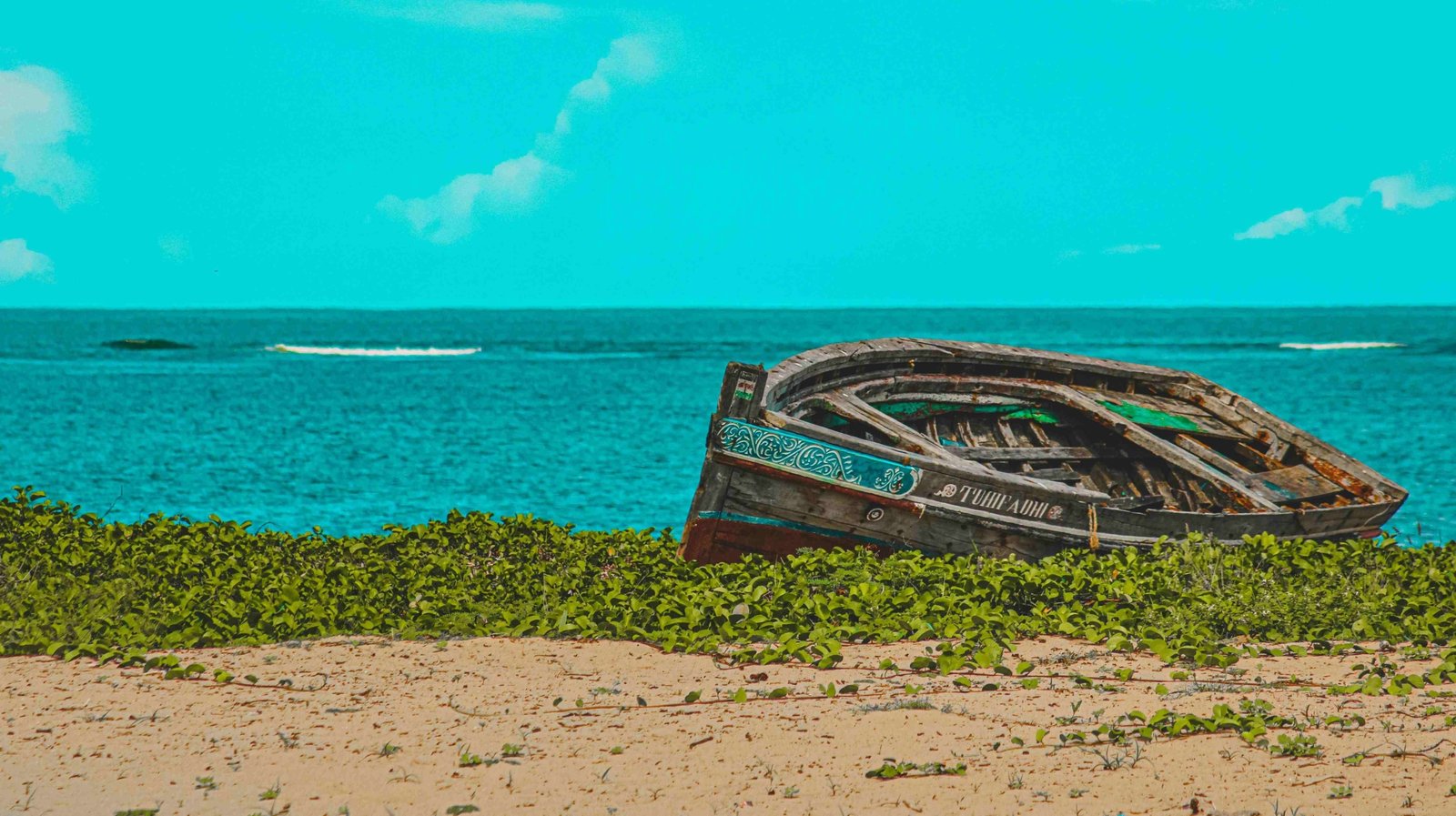

Kenya has secured nearly $800,000 in new investments to expand coral reef-friendly businesses, targeting coastal pollution and overfishing as part of a broader effort to protect marine ecosystems and strengthen coastal livelihoods.
The UN Capital Development Fund and the Global Fund for Coral Reefs have announced two financing deals with Kenyan companies to scale up coastal waste management and sustainable fishing efforts.
Sanivation will receive $540,000 to expand its waste-to-energy operations to Malindi National Marine Park.
The company converts human waste into fuel briquettes, offering a circular economy solution that reduces the discharge of untreated waste into sensitive marine areas.
The expansion is expected to create local jobs and ease the nutrient and pathogen load in coastal waters.
A second investment of up to $250,000 will go to Kumbatia, a seafood startup focused on sustainable fishing practices.
The company is replicating its Lamu-based model in the reef-rich region of Kwale. Its approach trains artisanal fishers in selective, reef-safe methods while building cold chains, traceability systems and links to premium markets.
Coastal communities in Kenya are among the most vulnerable to climate change and environmental degradation.
These investments aim to shift local economies toward sustainable practices that protect marine resources while improving incomes.
The deals fall under the Global Fund’s Miamba Yetu program, which channels blended finance into coral reef conservation across 22 countries.
The initiative is backed by UNCDF, the UN Development Programme and the UN Environment Programme.
Reefs support more than a quarter of all marine life and are vital to food security, tourism and storm protection in East Africa.
Kenya’s coastlines, rich in biodiversity, face rising threats from urban runoff, unregulated fishing and warming seas.