

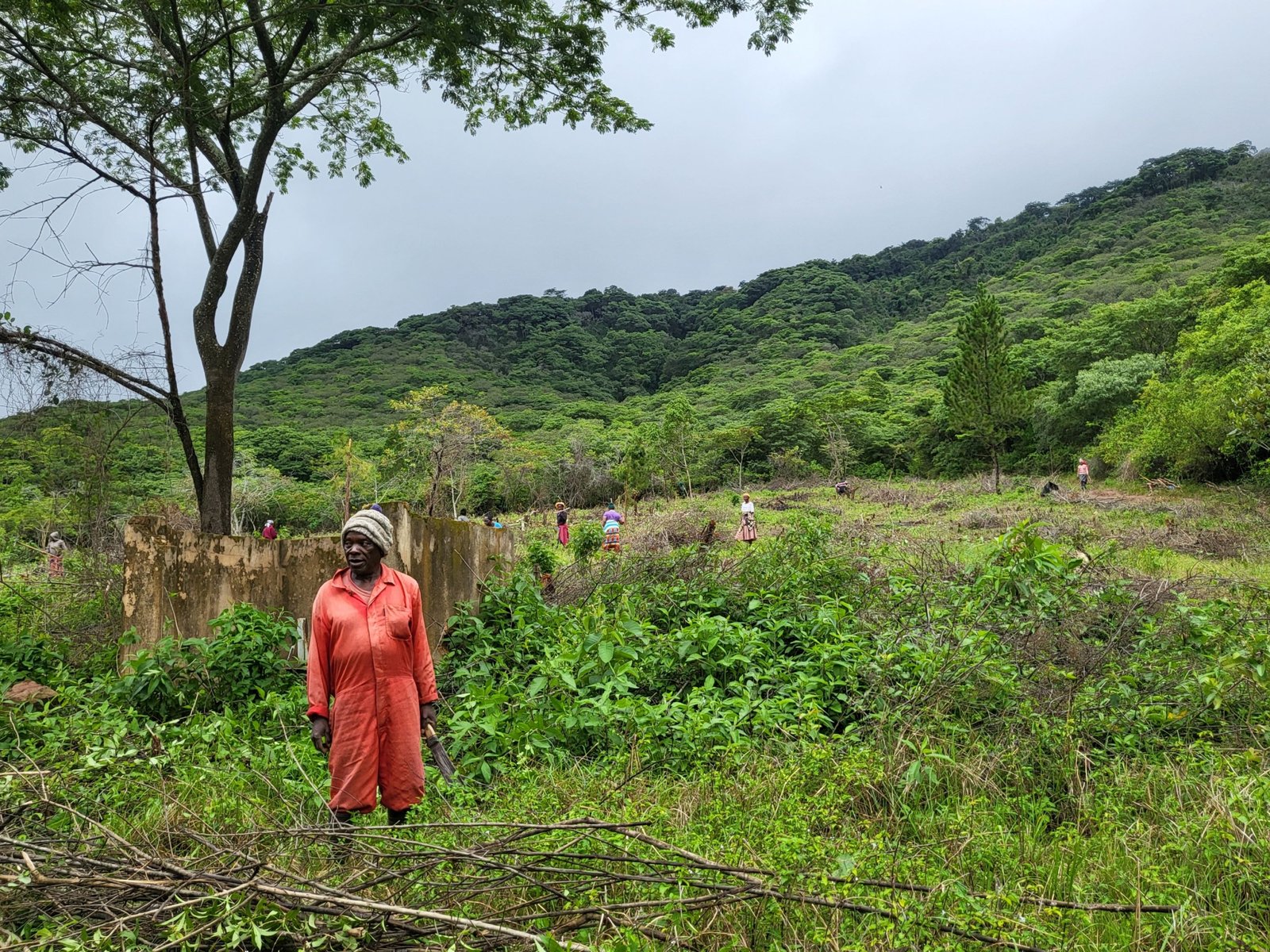

Communities in eastern Zimbabwe are restoring miombo forests and building climate-resilient livelihoods through a community-led initiative supported by the Food and Agriculture Organization of the United Nations, with funding from the Government of Italy and in partnership with the Government of Zimbabwe.
The miombo woodlands span nearly 2.7 million square kilometers across Southern Africa but face increasing threats from deforestation, unsustainable land use and veld fires.
In Muwango Village in Chipinge District, residents established a 2.5-hectare community woodlot during Zimbabwe’s National Tree Planting Day.
The woodlot is designed to supply firewood and construction poles, easing pressure on nearby indigenous forests, including Chirinda Forest and surrounding miombo woodlands.
“Muwango Village is demonstrating how local leadership and partnerships can deliver practical solutions that protect forests while supporting livelihoods,” said Provincial Forestry Extension Manager Philip Tom.
He added that the woodlot will support future energy needs and local beekeeping by improving bee forage.
Seventy-one people attended the event, with women accounting for 68% of participants. Three hundred seedlings were planted on the day, with 1,000 more planned.
The community aims to plant at least 1,600 eucalyptus seedlings annually over the next three years. The site also serves as a buffer along the forest boundary, reducing pressure on protected areas.
The project links conservation with income generation. With support from FAO and local partners, the community harvested about 100 kilograms of honey in October 2025, earning roughly $300.
Planned support includes additional Kenyan top-bar hives and materials for local hive construction, which could raise production to around 900 kilograms per harvest if all hives are colonized.
“Through the Miombo Transboundary Initiative, FAO is working with communities and government partners to strengthen livelihoods while conserving critical forest ecosystems,” said FAO National Project Coordinator Maxwell Phiri.
Forestry Commission specialists also demonstrated biochar production from the invasive plant Vernonanthura polyanthes. The method improves soil fertility while limiting the species’ spread.
Environmental safeguards and safety training will guide production, according to FAO and the Forestry Commission.