
Bantu Gazette

Bantu Gazette
  • Energy & Trade
  • Finance
  • Health
  • Politics & Economy
  • Technology
  • Environment
  • Feature
  • Opinion
  • Changemakers
  • Tourism & Culture
  • Sports
  • Magazine
Menu
  • Black Frame Studio
  • Magazine

Morocco’s High-Speed Rail Key to African Cup of Nations Logistics

Al Boraq connects host cities, reduces travel time, and supports Morocco’s 2030 World Cup infrastructure

Morocco’s High-Speed Rail Key to African Cup of Nations Logistics
Seraphine Biyogoby Seraphine Biyogo
January 6, 2026
Reading Time: 2 mins read

Morocco’s High-Speed Rail Key to African Cup of Nations Logistics

Al Boraq connects host cities, reduces travel time, and supports Morocco’s 2030 World Cup infrastructure

Morocco’s High-Speed Rail Key to African Cup of Nations Logistics
Seraphine Biyogoby Seraphine Biyogo
January 6, 2026
Reading Time: 2 mins read

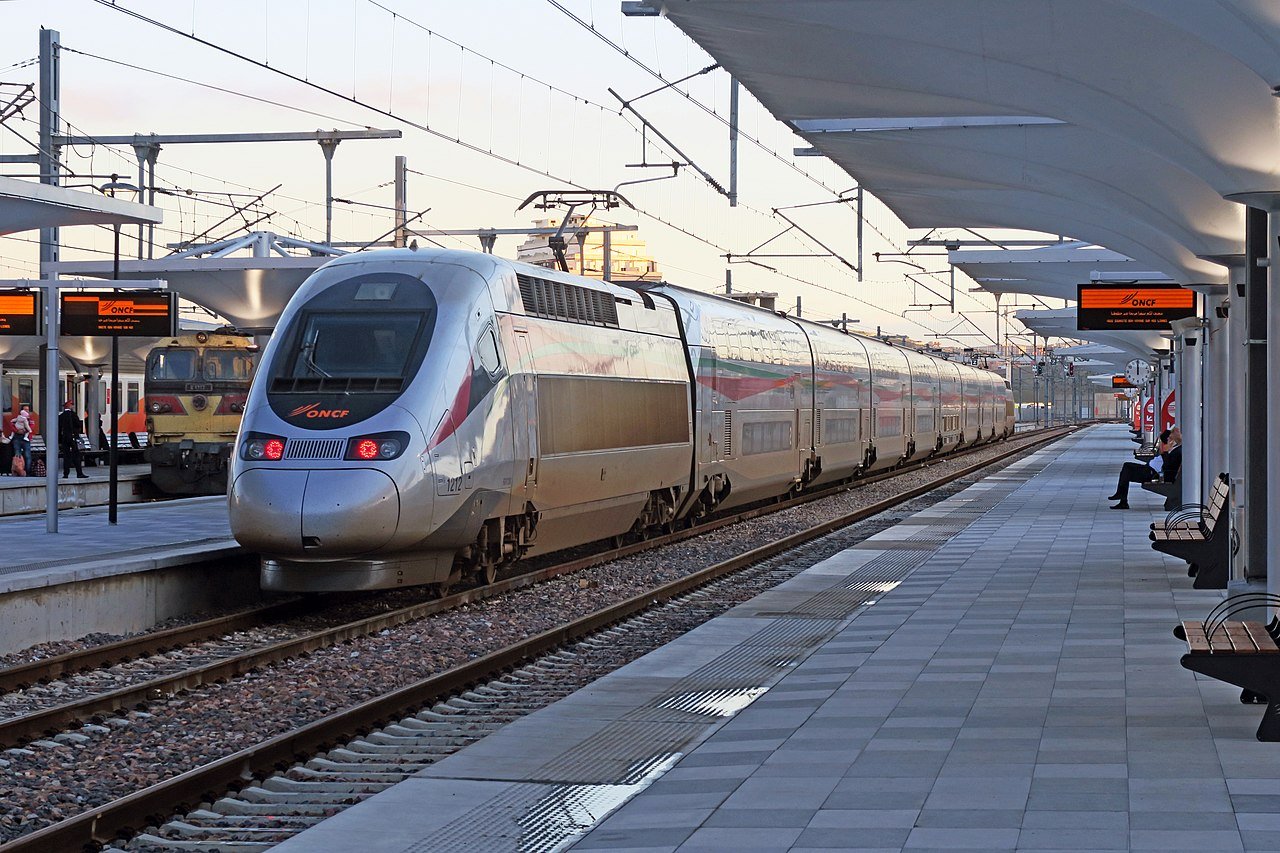
Morocco’s high-speed rail system, Al Boraq, is playing a central role in the logistics of the 2025 Africa Cup of Nations, strengthening the country’s infrastructure ahead of its co-hosting of the 2030 FIFA World Cup.

The train, which connects Tangier, Rabat and Casablanca, has reduced travel time between AFCON host cities, eased congestion and improved access for teams, officials and fans.

The integration of Al Boraq into tournament planning has allowed national teams, referees, media and spectators to travel between matches in hours rather than a full day.

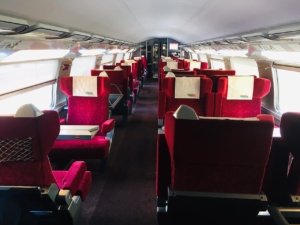
“Onboard the modern Al Boraq high-speed train as I relax, and marvel at stunning views on my way from Rabat through Kenitra to Tangier… This four and a half hours by road only takes 1 hour and 15 minutes in a very comfortable train,” Kenyan football journalist Collins Okinyo posted on social media.

Operating at speeds exceeding 300 kilometers per hour, the line supports Morocco’s strategy of linking sports venues with modern, high-capacity transport.
According to organizers, this alignment between geography and infrastructure reflects a deliberate planning philosophy, with stadiums located within urban centers, supported by reliable transport and high-quality accommodation.

Rabat, the capital, has emerged as a key hub, with Al Boraq and the Rabat–Salé Airport providing direct access to other host cities.

The city is hosting multiple matches, including the opening and final, at the newly rebuilt Prince Moulay Abdellah Sports Complex.

The stadium, with a capacity of 68,000, is connected to the national rail and road network, allowing for easier fan access from Casablanca and Tangier without reliance on road traffic.

In Tangier, the Grand Stade (75,600 capacity) is also fully integrated into the transport system.
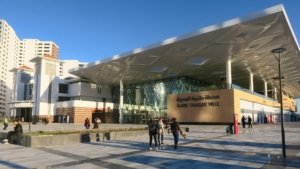
Unlike isolated venues seen in previous international tournaments, its connectivity allows same-day travel for fans from Rabat or Casablanca, improving attendance and economic activity.

Casablanca, the country’s economic center, hosts matches at the Mohammed V Complex.

Its proximity to Al Boraq stations ensures efficient travel and helps distribute tournament activity across the northern corridor.

For the first time in AFCON history, all participating national squads are staying in five-star hotels, each connected to major transport routes, according to organizers. Shorter travel times aid physical recovery, mental preparation and overall performance, they said.

The current model contrasts with earlier tournament experiences, including Brazil in 2014 and South Africa in 2010, where stadiums far from urban centers or lacking transport links became long-term financial liabilities.
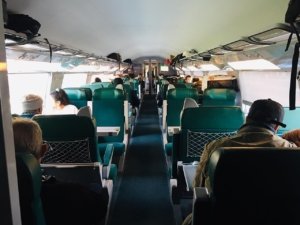
Morocco’s approach emphasizes urban integration and infrastructure longevity.

While Al Boraq currently serves the northern and central regions, its planned extension toward Marrakesh and Agadir is part of Morocco’s 2030 infrastructure strategy.

Officials say these expansions reflect a long-term national vision rather than short-term tournament spending. By embedding stadiums into active cityscapes with accessible transport, Morocco aims to avoid the risk of underused “white elephant” facilities.

AFCON 2025, taking place from Dec. 21, 2025, to Jan. 18, 2026, marks the first major test of this model, with an eye toward 2030.

Morocco, a co-host of the FIFA World Cup alongside Spain and Portugal, is using the tournament to demonstrate its readiness to support large-scale global events with sustainable, modern infrastructure at the core.


 

Get the inside Story

Stay informed on the stories shaping Africa’s future. Get breaking news, in-depth analysis, opinions and exclusive insights from across the continent delivered to your inbox, free and unfiltered.


Get in touch for more:
Felix Tih
Editorial Director, Bantu Gazette
WhatsApp
LinkedIn
X (Twitter)
Instagram

Related Posts

President Faye Says Senegal’s Sporting Success Must Power National Development
Sports

President Faye Says Senegal’s Sporting Success Must Power National Development

May 12, 2026
CAF, UEFA Sign Agreement to Advance Football Across Africa and Europe
Sports

CAF, UEFA Sign Agreement to Advance Football Across Africa and Europe

April 30, 2026
Kenya, Ethiopia Dominate London Marathon With Twin World Records
Sports

Kenya, Ethiopia Dominate London Marathon With Twin World Records

April 27, 2026
Africa Sends Record 10 Nations to 2026 FIFA World Cup
Sports

Africa Sends Record 10 Nations to 2026 FIFA World Cup

April 1, 2026
Morocco’s Long-Term Planning Shapes Africa Cup of Nations 2025
Sports

CAF Strips Senegal of AFCON Title; Declares Morocco Champion

March 21, 2026
Ethiopia’s Tesfay Runs Second-Fastest Women’s Marathon Ever in Barcelona
Sports

Ethiopia’s Tesfay Runs Second-Fastest Women’s Marathon Ever in Barcelona

March 15, 2026

Most Recent

Is Tanzania the New Center of East Africa?
Opinion

Is Tanzania the New Center of East Africa?

by Dr. Bravious Kahyoza
May 23, 2026
0

For a long time, external observers have generally framed Tanzania's regional diplomatic role in East Africa as that of a...

Read moreDetails
Will US-Tanzania Relations Turn the Corner?

Will US-Tanzania Relations Turn the Corner?

May 23, 2026
Afreximbank Ends Fitch Ratings Relationship, Cites Misalignment

Afreximbank Net Income Rises 25% in First Quarter on Lending Growth

May 23, 2026
Mali Records 65,500 Net Jobs Created in 2025, Best Performance in Five Years

Mali Minister Urges Youth to Reject ‘Easy Money’ and Promote Social Cohesion

May 23, 2026
Ethiopia, Djibouti Plan Pipeline Corridor to Boost Horn of Africa Energy Trade

Ethiopia, Djibouti Plan Pipeline Corridor to Boost Horn of Africa Energy Trade

May 22, 2026
Uganda Positions Tourism for Regional Growth Ahead of 2027 AFCON

Uganda Positions Tourism for Regional Growth Ahead of 2027 AFCON

May 22, 2026
Nigeria Launches AI-Powered Government Information Platform in Four Languages

Nigeria Launches AI-Powered Government Information Platform in Four Languages

May 23, 2026
Is Tanzania the New Center of East Africa?
Opinion

Is Tanzania the New Center of East Africa?

by Dr. Bravious Kahyoza
Reading Time: 4 mins read
May 23, 2026
0

For a long time, external observers have generally framed Tanzania's regional diplomatic role in East Africa as that of a...

Read moreDetails
Will US-Tanzania Relations Turn the Corner?
Opinion

Will US-Tanzania Relations Turn the Corner?

by Gedion Onyango
Reading Time: 4 mins read
May 23, 2026
0

From maritime security to graphite and gas, Tanzania’s growing geopolitical value makes it a critical US partner in East Africa

Read moreDetails
Afreximbank Ends Fitch Ratings Relationship, Cites Misalignment
Politics & Economy

Afreximbank Net Income Rises 25% in First Quarter on Lending Growth

by Kalkidan Negash
Reading Time: 1 min read
May 23, 2026
0

The African Export-Import Bank (Afreximbank) posted a 25% jump in first-quarter net income, the Cairo-based lender said in a statement...

Read moreDetails

Morocco’s High-Speed Rail Key to African Cup of Nations Logistics

Al Boraq connects host cities, reduces travel time, and supports Morocco’s 2030 World Cup infrastructure

Morocco’s High-Speed Rail Key to African Cup of Nations Logistics

Morocco’s high-speed rail system, Al Boraq, is playing a central role in the logistics of the 2025 Africa Cup of Nations, strengthening the country’s infrastructure ahead of its co-hosting of the 2030 FIFA World Cup.

The train, which connects Tangier, Rabat and Casablanca, has reduced travel time between AFCON host cities, eased congestion and improved access for teams, officials and fans.

The integration of Al Boraq into tournament planning has allowed national teams, referees, media and spectators to travel between matches in hours rather than a full day.

“Onboard the modern Al Boraq high-speed train as I relax, and marvel at stunning views on my way from Rabat through Kenitra to Tangier… This four and a half hours by road only takes 1 hour and 15 minutes in a very comfortable train,” Kenyan football journalist Collins Okinyo posted on social media.

Operating at speeds exceeding 300 kilometers per hour, the line supports Morocco’s strategy of linking sports venues with modern, high-capacity transport.

According to organizers, this alignment between geography and infrastructure reflects a deliberate planning philosophy, with stadiums located within urban centers, supported by reliable transport and high-quality accommodation.

Rabat, the capital, has emerged as a key hub, with Al Boraq and the Rabat–Salé Airport providing direct access to other host cities.

The city is hosting multiple matches, including the opening and final, at the newly rebuilt Prince Moulay Abdellah Sports Complex.

The stadium, with a capacity of 68,000, is connected to the national rail and road network, allowing for easier fan access from Casablanca and Tangier without reliance on road traffic.

In Tangier, the Grand Stade (75,600 capacity) is also fully integrated into the transport system.

Unlike isolated venues seen in previous international tournaments, its connectivity allows same-day travel for fans from Rabat or Casablanca, improving attendance and economic activity.

Casablanca, the country’s economic center, hosts matches at the Mohammed V Complex.

Its proximity to Al Boraq stations ensures efficient travel and helps distribute tournament activity across the northern corridor.

For the first time in AFCON history, all participating national squads are staying in five-star hotels, each connected to major transport routes, according to organizers. Shorter travel times aid physical recovery, mental preparation and overall performance, they said.

The current model contrasts with earlier tournament experiences, including Brazil in 2014 and South Africa in 2010, where stadiums far from urban centers or lacking transport links became long-term financial liabilities.

Morocco’s approach emphasizes urban integration and infrastructure longevity.

While Al Boraq currently serves the northern and central regions, its planned extension toward Marrakesh and Agadir is part of Morocco’s 2030 infrastructure strategy.

Officials say these expansions reflect a long-term national vision rather than short-term tournament spending. By embedding stadiums into active cityscapes with accessible transport, Morocco aims to avoid the risk of underused “white elephant” facilities.

AFCON 2025, taking place from Dec. 21, 2025, to Jan. 18, 2026, marks the first major test of this model, with an eye toward 2030.

Morocco, a co-host of the FIFA World Cup alongside Spain and Portugal, is using the tournament to demonstrate its readiness to support large-scale global events with sustainable, modern infrastructure at the core.

 

Morocco’s High-Speed Rail Key to African Cup of Nations Logistics

Al Boraq connects host cities, reduces travel time, and supports Morocco’s 2030 World Cup infrastructure

Morocco’s High-Speed Rail Key to African Cup of Nations Logistics
Seraphine Biyogoby Seraphine Biyogo
January 6, 2026

Morocco’s high-speed rail system, Al Boraq, is playing a central role in the logistics of the 2025 Africa Cup of Nations, strengthening the country’s infrastructure ahead of its co-hosting of the 2030 FIFA World Cup.

The train, which connects Tangier, Rabat and Casablanca, has reduced travel time between AFCON host cities, eased congestion and improved access for teams, officials and fans.

The integration of Al Boraq into tournament planning has allowed national teams, referees, media and spectators to travel between matches in hours rather than a full day.

“Onboard the modern Al Boraq high-speed train as I relax, and marvel at stunning views on my way from Rabat through Kenitra to Tangier… This four and a half hours by road only takes 1 hour and 15 minutes in a very comfortable train,” Kenyan football journalist Collins Okinyo posted on social media.

Operating at speeds exceeding 300 kilometers per hour, the line supports Morocco’s strategy of linking sports venues with modern, high-capacity transport.

According to organizers, this alignment between geography and infrastructure reflects a deliberate planning philosophy, with stadiums located within urban centers, supported by reliable transport and high-quality accommodation.

Rabat, the capital, has emerged as a key hub, with Al Boraq and the Rabat–Salé Airport providing direct access to other host cities.

The city is hosting multiple matches, including the opening and final, at the newly rebuilt Prince Moulay Abdellah Sports Complex.

The stadium, with a capacity of 68,000, is connected to the national rail and road network, allowing for easier fan access from Casablanca and Tangier without reliance on road traffic.

In Tangier, the Grand Stade (75,600 capacity) is also fully integrated into the transport system.

Unlike isolated venues seen in previous international tournaments, its connectivity allows same-day travel for fans from Rabat or Casablanca, improving attendance and economic activity.

Casablanca, the country’s economic center, hosts matches at the Mohammed V Complex.

Its proximity to Al Boraq stations ensures efficient travel and helps distribute tournament activity across the northern corridor.

For the first time in AFCON history, all participating national squads are staying in five-star hotels, each connected to major transport routes, according to organizers. Shorter travel times aid physical recovery, mental preparation and overall performance, they said.

The current model contrasts with earlier tournament experiences, including Brazil in 2014 and South Africa in 2010, where stadiums far from urban centers or lacking transport links became long-term financial liabilities.

Morocco’s approach emphasizes urban integration and infrastructure longevity.

While Al Boraq currently serves the northern and central regions, its planned extension toward Marrakesh and Agadir is part of Morocco’s 2030 infrastructure strategy.

Officials say these expansions reflect a long-term national vision rather than short-term tournament spending. By embedding stadiums into active cityscapes with accessible transport, Morocco aims to avoid the risk of underused “white elephant” facilities.

AFCON 2025, taking place from Dec. 21, 2025, to Jan. 18, 2026, marks the first major test of this model, with an eye toward 2030.

Morocco, a co-host of the FIFA World Cup alongside Spain and Portugal, is using the tournament to demonstrate its readiness to support large-scale global events with sustainable, modern infrastructure at the core.
 

Get the inside Story

Stay informed on the stories shaping Africa’s future. Get breaking news, in-depth analysis, opinions and exclusive insights from across the continent delivered to your inbox, free and unfiltered.


Get in touch for more:
Felix Tih
Editorial Director, Bantu Gazette
WhatsApp
LinkedIn
X (Twitter)
Instagram

Related Posts

President Faye Says Senegal’s Sporting Success Must Power National Development

President Faye Says Senegal’s Sporting Success Must Power National Development

by Jane Mukami
May 12, 2026
0

...

CAF, UEFA Sign Agreement to Advance Football Across Africa and Europe

CAF, UEFA Sign Agreement to Advance Football Across Africa and Europe

by Marina Bisse
April 30, 2026
0

...

Kenya, Ethiopia Dominate London Marathon With Twin World Records

Kenya, Ethiopia Dominate London Marathon With Twin World Records

by Maraki Desta
April 27, 2026
0

...

Africa Sends Record 10 Nations to 2026 FIFA World Cup

Africa Sends Record 10 Nations to 2026 FIFA World Cup

by Nora Tabe
April 1, 2026
0

...

Morocco’s Long-Term Planning Shapes Africa Cup of Nations 2025

CAF Strips Senegal of AFCON Title; Declares Morocco Champion

by Felix Tih
March 18, 2026
0

...

Ethiopia’s Tesfay Runs Second-Fastest Women’s Marathon Ever in Barcelona

Ethiopia’s Tesfay Runs Second-Fastest Women’s Marathon Ever in Barcelona

by Abel Gorfu Asefa
March 15, 2026
0

...

Is Tanzania the New Center of East Africa?
Opinion

Is Tanzania the New Center of East Africa?

by Dr. Bravious Kahyoza
Reading Time: 4 mins read
May 23, 2026
0

For a long time, external observers have generally framed Tanzania's regional diplomatic role in East Africa as that of a...

Read moreDetails
Will US-Tanzania Relations Turn the Corner?

Will US-Tanzania Relations Turn the Corner?

by Gedion Onyango
May 23, 2026
0

From maritime security to graphite and gas, Tanzania’s growing geopolitical value makes it a critical US partner in East Africa

Afreximbank Ends Fitch Ratings Relationship, Cites Misalignment

Afreximbank Net Income Rises 25% in First Quarter on Lending Growth

by Kalkidan Negash
May 23, 2026
0

The African Export-Import Bank (Afreximbank) posted a 25% jump in first-quarter net income, the Cairo-based lender said in a statement...

Mali Records 65,500 Net Jobs Created in 2025, Best Performance in Five Years

Mali Minister Urges Youth to Reject ‘Easy Money’ and Promote Social Cohesion

by Aissatou Fall
May 23, 2026
0

Visits to vocational training centers focused on patriotism, civic responsibility and unity among young people during Mali’s transition period

Ethiopia, Djibouti Plan Pipeline Corridor to Boost Horn of Africa Energy Trade

Ethiopia, Djibouti Plan Pipeline Corridor to Boost Horn of Africa Energy Trade

by Kalkidan Negash
May 22, 2026
0

ADDIS ABABA Ethiopia and Djibouti have launched talks on a cross-border oil and gas corridor to reshape energy trade and...

Next Post
Nigeria Ranks First in Global Generosity, Survey Finds

Nigeria Ranks First in Global Generosity, Survey Finds

Morocco Puts Infrastructure on Display at Africa Cup of Nations

South Africa Praises Morocco’s Excellence in AFCON Hosting

Morocco Leverages AFCON 2025 to Boost Global Tourism Visibility

Morocco Leverages AFCON 2025 to Boost Global Tourism Visibility

Kenya Secures Funds to Protect Reefs, Grow Coastal Economy

Kenya Secures Funds to Protect Reefs, Grow Coastal Economy

Bantu Gazette is a pioneering news platform that champions Africa's development, culture, and heritage. We spotlight the continent's successes, address its challenges, and provide insightful coverage of events that shape its future.

Bantu Gazette is a pioneering news platform that champions Africa's development, culture, and heritage. We spotlight the continent's successes, address its challenges, and provide insightful coverage of events that shape its future.

Our Platforms

  • Bantu Magazine
  • Bantu Brief
  • Black Frame Studio

Our Services

  • Bantu Agency
  • Advertise
  • Partnerships

Our Services

  • Editorial Director
  • Opportunities
  • Contact

Bantu Gazette is a pioneering news platform that champions Africa's development, culture, and heritage. We spotlight the continent's successes, address its challenges, and provide insightful coverage of events that shape its future.

Our Platforms

  • Bantu Magazine
  • Bantu Brief
  • Black Frame Studio

Our Services

  • Bantu Agency
  • Advertise
  • Partnerships

Our Services

  • Editorial Director
  • Opportunities
  • Contact
Bantu Gazette
  • Energy & Trade
  • Finance
  • Health
  • Politics & Economy
  • Technology
  • Environment
  • Feature
  • Opinion
  • Changemakers
  • Tourism & Culture
  • Magazine