

The Royal Moroccan Football Federation (FRMF) has announced it will seek legal clarification from the Confederation of African Football (CAF) and FIFA following the events that disrupted the final of the 2025 TotalEnergies CAF Africa Cup of Nations in Rabat.
The FRMF’s statement comes after the Senegalese national team appeared to leave the pitch in protest during the match against Morocco, reportedly after a penalty decision went against them.
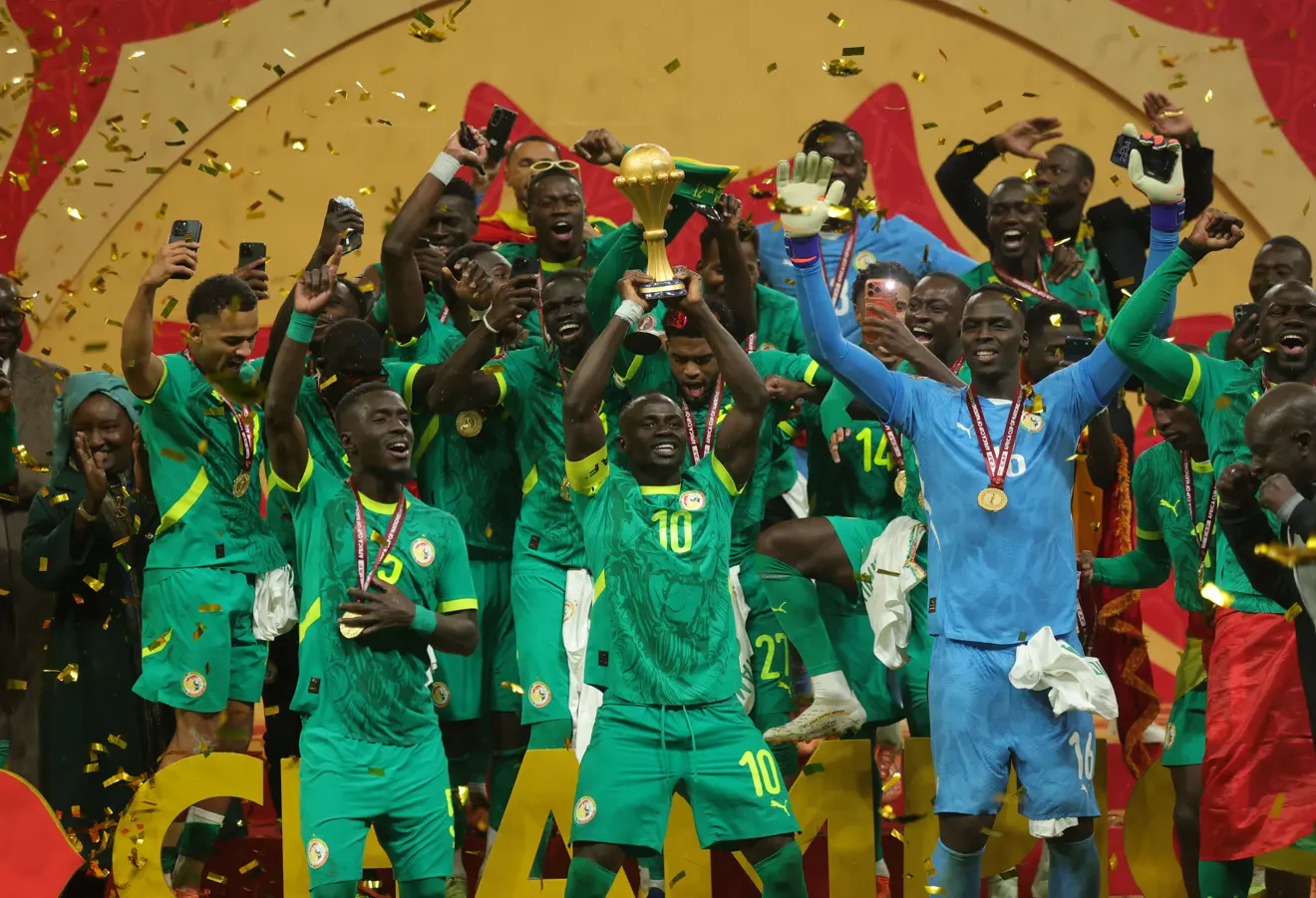
Senegal later returned to the field and claimed the title with a 1-0 win on Sunday.
The Moroccan federation said the incident had a significant impact on the normal conduct of the final and affected the players’ concentration.
In its statement, the FRMF confirmed it would refer the matter to the relevant legal bodies, citing a need for a fair and transparent resolution.
This development has drawn attention to Articles 82 and 83 of CAF’s disciplinary code, which address principles of conduct and responsibility during official competitions.
What Article 82 Says
Article 82 outlines the general principles of conduct expected from national associations, clubs, officials, members and players. It states:
“National associations, clubs, officials and members, as well as their players, shall respect the principles of loyalty, integrity, sportsmanship and ethics.”
The provision emphasizes behavior and ethics, rather than prescribing direct consequences for in-game incidents like walk-offs.
However, violations of these principles may result in disciplinary action, particularly if conduct is deemed to have compromised the integrity of the match or tournament.
Article 83: Responsibility for Conduct and Security
Article 83 details the responsibilities of national associations and clubs to maintain order and protect the game’s reputation. It includes the following points:
- Associations, clubs and officials are accountable for ensuring that the game is not brought into disrepute by the conduct of players, officials, members, supporters or other affiliated individuals.
- The host association or club is responsible for order and security inside and around the stadium before, during and after the match and may face sanctions for any incidents.
- The visiting association or club is responsible for the behavior of its own group of supporters, particularly those occupying away or designated sectors.
This article reinforces the obligation of both teams and their federations to ensure discipline and sportsmanship throughout the event.
Could These Articles Be Grounds for an Appeal?
Whether Morocco will formally appeal based on Articles 82 and 83 remains to be seen. The CAF Disciplinary Committee would be the body to assess whether the conduct during the final warrants any sanctions or affects the match result.
Although these articles do not explicitly mandate disqualification for a team leaving the pitch, legal experts note that they provide a framework for holding federations and officials accountable for any action that damages the sport’s integrity or violates ethical standards.
CAF released a statement condemning the “unacceptable behavior” of certain players and officials during the final, particularly any conduct directed at referees or match organizers.
“CAF strongly condemns any inappropriate behavior that occurs during matches, especially those targeting the refereeing team or match organizers.”
CAF also confirmed it is reviewing all available footage and will refer the matter to the appropriate disciplinary bodies for action.
What Happens Next?
If the Disciplinary Committee finds that Senegal’s conduct breached CAF’s ethical or disciplinary rules, it could impose sanctions.
These could range from fines to suspensions or warnings, but a reversal of the match result or title award would be rare and would require strong legal grounds.
Any appeal by Morocco would likely face a high procedural and evidentiary threshold and may involve oversight from FIFA, given the global visibility of the competition.
Regardless of the final outcome, the controversy may prompt CAF to clarify or strengthen its enforcement procedures and match protocols ahead of future tournaments.