

Bantu Gazette

Bantu Gazette
  • Energy & Trade
  • Finance
  • Health
  • Politics & Economy
  • Technology
  • Environment
  • Feature
  • Opinion
  • Changemakers
  • Tourism & Culture
  • Sports
  • Magazine
Menu
  • Black Frame Studio
  • Magazine

Africa Is Speaking for Itself

From media and technology to politics and culture, Africa is shaping its global image through stronger voices, institutions, and ideas across a changing world today

Bantu Gazette
Felix Tihby Felix Tih
May 25, 2026
Reading Time: 5 mins read

Africa Is Speaking for Itself

From media and technology to politics and culture, Africa is shaping its global image through stronger voices, institutions, and ideas across a changing world today

Bantu Gazette
Bantu Gazette
Felix Tihby Felix Tih
May 25, 2026
Reading Time: 5 mins read

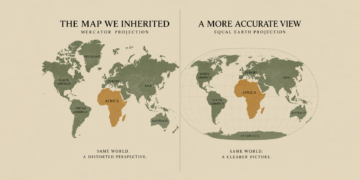
There was a period when African countries entered many global conversations through external interpretation, external framing, and external priorities that shaped how the continent was understood across politics, economics, development, health, culture and many more.

International media systems, foreign institutions, and outside observers often determined which African stories received sustained visibility and which realities remained absent from international attention, creating a narrow understanding of a continent defined by extraordinary diversity, complexity, ambition, and transformation.

That dynamic is steadily changing across African societies, institutions, creative industries, research spaces, and digital ecosystems that are increasingly shaping global understanding from within the continent itself.

Africa Day now reflects far more than symbolism, ceremony, or official declarations because it increasingly represents a broader continental movement toward narrative ownership, intellectual confidence, cultural influence, and institutional self-definition across global conversations that affect Africa’s future.

A new generation of Africans is shaping how the continent is presented, interpreted, documented, studied, and understood across international media, policy discussions, academic spaces, creative industries, and economic platforms operating at global scale.

Young filmmakers in Lagos are producing stories rooted in African realities, cultural memory, and contemporary urban experience that resonate with audiences across multiple continents while preserving authentic local perspectives and artistic independence.

Political leadership across the continent is also increasingly reflecting a generation shaped by economic reform, institutional modernization, technological transformation, and continental ambition, including in Benin, where 49-year-old Romuald Wadagni was sworn in as president on Sunday after nearly a decade leading major fiscal reforms that helped strengthen investor confidence, expand infrastructure development, and position the country among West Africa’s fastest-growing economies.

Researchers in Kigali are contributing to international discussions on digital governance, institutional reform, innovation policy, and technological transformation through work grounded in African realities and practical developmental experience across emerging economies.

Entrepreneurs in Addis Ababa, Accra, Nairobi, Cape Town, Cairo, Buea and Dakar are building technology companies, financial systems, logistics platforms, and digital services designed around African consumers, African business environments, and African economic conditions with increasing global competitiveness.

Journalists, photographers, scholars, podcasters, writers, designers, strategists, and creators across the continent are documenting African life with greater depth, intellectual rigor, historical context, and cultural nuance than previous generations of internationally dominant narratives often allowed.

This transformation reflects a growing understanding that narrative influences how societies are perceived, valued, financed, trusted, engaged, and positioned within the international system across diplomacy, trade, culture, and long-term strategic partnerships.

Political scientist Joseph Nye’s work on soft power explored how influence increasingly operates through culture, credibility, ideas, institutional trust, and public perception rather than relying exclusively on military strength or economic dominance within global affairs.

Research in communications and media studies has repeatedly demonstrated that sustained exposure to dominant narratives gradually shapes public assumptions, policy attitudes, institutional behavior, and international perceptions regarding societies, regions, and political systems.

Africa increasingly recognizes the strategic importance of participating directly in shaping those narratives through stronger African institutions, stronger African media ecosystems, stronger African research capacity, and stronger African-owned platforms operating with global visibility and influence.

That awareness explains the simultaneous rise of African cinema, African music, African technology ecosystems, African policy research institutions, African publishing platforms, and African creative industries that continue attracting expanding international attention and investment.

African musicians are influencing mainstream global culture across entertainment, fashion, language, and digital consumption patterns while introducing millions of people to contemporary African experiences, aesthetics, and perspectives through globally distributed platforms.

African thinkers are contributing to major international discussions on artificial intelligence, governance reform, climate adaptation, trade integration, industrial policy, public finance, and institutional transformation through research increasingly recognized within global policy circles.

The continent’s growing influence also reflects broader structural realities shaping the international economy during a period of significant geopolitical, technological, and demographic transition across multiple regions of the world.

Africa holds the world’s youngest population during a period when many advanced economies face demographic decline, labor shortages, rising dependency ratios, and growing concerns about long-term economic sustainability and workforce replacement.

African mineral resources remain central to global discussions surrounding energy transitions, industrial manufacturing, digital infrastructure, semiconductor production, and future supply chains linked to advanced technologies and renewable energy systems.

African governments are also increasingly pushing for greater local value addition and industrial processing capacity rather than remaining confined to the export of raw commodities with limited long-term economic transformation.

Zimbabwe recently became the first African country to export processed lithium after introducing measures that restrict raw mineral exports and encourage domestic beneficiation, marking an important shift toward positioning African economies higher up in global battery and clean energy supply chains.

Large-scale African industrial investment is also gaining stronger continental momentum through private sector actors expanding beyond national markets into long-term regional infrastructure, manufacturing, and energy development strategies.

Nigerian industrialist Aliko Dangote recently expanded his East Africa investment drive through discussions surrounding fertilizer production, refining capacity, and industrial infrastructure projects that could significantly reshape regional energy security, manufacturing capacity, and cross-border economic integration across East Africa.

The African Continental Free Trade Area (AfCFTA) represents one of the most ambitious economic integration projects currently underway globally, carrying substantial long-term implications for trade, industrialization, market expansion, and regional economic coordination.

Global attention toward Africa continues growing because the continent occupies an increasingly strategic position within discussions surrounding trade, infrastructure, manufacturing, technology, migration, energy security, diplomacy, and long-term economic growth.

Narrative ownership therefore carries cultural, intellectual, economic, and geopolitical importance because societies that shape their own stories strengthen their ability to shape international perception, strategic partnerships, and future developmental trajectories.

African scholars strengthen this process when they produce rigorous research grounded in African institutional realities, historical experience, policy challenges, and locally informed developmental priorities capable of contributing meaningfully to international knowledge systems.

African journalists strengthen public understanding when they report African stories with accuracy, depth, historical awareness, and contextual intelligence capable of reflecting the continent’s complexity without reducing African realities to simplistic stereotypes or temporary headlines.

African institutions strengthen long-term intellectual confidence when they invest in archives, research systems, publishing, higher education, policy analysis, and future generations of thinkers capable of sustaining African influence across global conversations for decades ahead.

Africa is entering a period where the continent increasingly speaks in its own voice across media, business, diplomacy, policy, research, culture, and global affairs through institutions and individuals carrying growing confidence in African expertise, African leadership, and African authorship.

Africa consists of 54 countries, thousands of languages, countless cultural traditions, and deeply diverse historical experiences, while a shared continental aspiration continues bringing Africans together through common ambitions for dignity, progress, influence, development, and the collective determination to shape Africa’s future through African voices and African leadership.



Felix Tih


Felix Tih
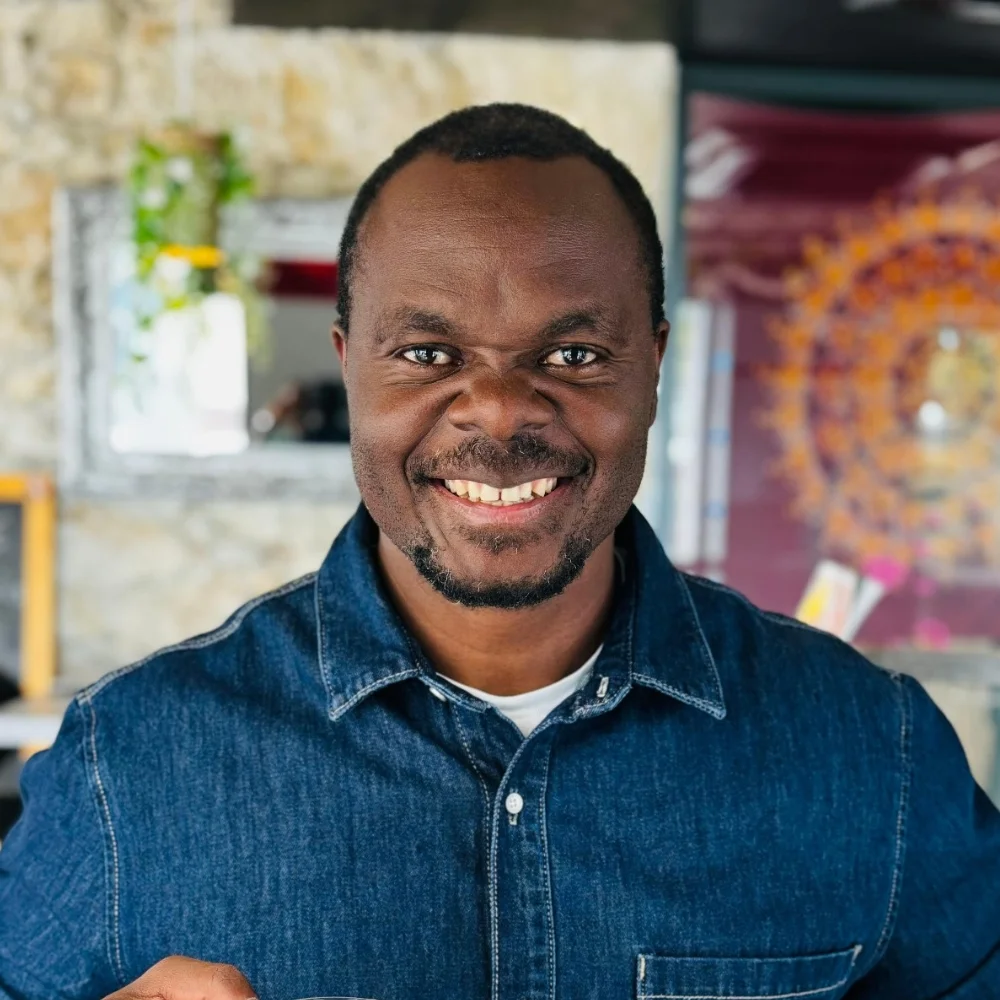
is an accomplished journalist and communications expert with over 15 years of experience shaping narratives, leading editorial teams, and reporting across international environments. Skilled in covering high-level events, guiding media strategy, and producing work that informs, influences, and elevates public understanding.

Get the inside Story

Stay informed on the stories shaping Africa’s future. Get breaking news, in-depth analysis, opinions and exclusive insights from across the continent delivered to your inbox, free and unfiltered.


Get in touch for more:
Felix Tih
Editorial Director, Bantu Gazette
WhatsApp
LinkedIn
X (Twitter)
Instagram

Related Posts

Benin’s Romuald Wadagni Sworn In, Pledges Continuity and Inclusive Growth
Politics & Economy

Benin’s Romuald Wadagni Sworn In, Pledges Continuity and Inclusive Growth

May 25, 2026
Afreximbank Ends Fitch Ratings Relationship, Cites Misalignment
Politics & Economy

Afreximbank Net Income Rises 25% in First Quarter on Lending Growth

May 23, 2026
Mali Records 65,500 Net Jobs Created in 2025, Best Performance in Five Years
Politics & Economy

Mali Minister Urges Youth to Reject ‘Easy Money’ and Promote Social Cohesion

May 23, 2026
Nigeria Backs Togo’s Leadership on African Free Trade at Lomé Forum
Agriculture & Trade

Nigeria Backs Togo’s Leadership on African Free Trade at Lomé Forum

May 22, 2026
Togo Adopts New Competition, Consumer Protection Law to Modernize Economic Framework
Politics & Economy

Togo Grants Visa-Free Entry to All Africans

May 22, 2026
Dangote Deepens East Africa Investment Drive
Politics & Economy

Dangote Deepens East Africa Investment Drive

May 23, 2026

Most Recent

Bantu Gazette
Opinion

Africa Is Speaking for Itself

by Felix Tih
May 25, 2026
0

From media and technology to politics and culture, Africa is shaping its global image through stronger voices, institutions, and ideas...

Read moreDetails
Benin’s Romuald Wadagni Sworn In, Pledges Continuity and Inclusive Growth

Benin’s Romuald Wadagni Sworn In, Pledges Continuity and Inclusive Growth

May 25, 2026
Afreximbank Ends Fitch Ratings Relationship, Cites Misalignment

Afreximbank Net Income Rises 25% in First Quarter on Lending Growth

May 23, 2026
Mali Records 65,500 Net Jobs Created in 2025, Best Performance in Five Years

Mali Minister Urges Youth to Reject ‘Easy Money’ and Promote Social Cohesion

May 23, 2026
Ethiopia, Djibouti Plan Pipeline Corridor to Boost Horn of Africa Energy Trade

Ethiopia, Djibouti Plan Pipeline Corridor to Boost Horn of Africa Energy Trade

May 22, 2026
Uganda Positions Tourism for Regional Growth Ahead of 2027 AFCON

Uganda Positions Tourism for Regional Growth Ahead of 2027 AFCON

May 22, 2026
Nigeria Launches AI-Powered Government Information Platform in Four Languages

Nigeria Launches AI-Powered Government Information Platform in Four Languages

May 23, 2026
Bantu Gazette
Opinion

Africa Is Speaking for Itself

by Felix Tih
Reading Time: 5 mins read
May 25, 2026
0

From media and technology to politics and culture, Africa is shaping its global image through stronger voices, institutions, and ideas...

Read moreDetails
Benin’s Romuald Wadagni Sworn In, Pledges Continuity and Inclusive Growth
Politics & Economy

Benin’s Romuald Wadagni Sworn In, Pledges Continuity and Inclusive Growth

by Felix Tih
Reading Time: 3 mins read
May 25, 2026
0

In first address, President Wadagni vows to deepen reforms, expand opportunity and preserve democratic continuity in Benin

Read moreDetails
Afreximbank Ends Fitch Ratings Relationship, Cites Misalignment
Politics & Economy

Afreximbank Net Income Rises 25% in First Quarter on Lending Growth

by Kalkidan Negash
Reading Time: 1 min read
May 23, 2026
0

The African Export-Import Bank (Afreximbank) posted a 25% jump in first-quarter net income, the Cairo-based lender said in a statement...

Read moreDetails

Africa Is Speaking for Itself

From media and technology to politics and culture, Africa is shaping its global image through stronger voices, institutions, and ideas across a changing world today

Bantu Gazette

There was a period when African countries entered many global conversations through external interpretation, external framing, and external priorities that shaped how the continent was understood across politics, economics, development, health, culture and many more.

International media systems, foreign institutions, and outside observers often determined which African stories received sustained visibility and which realities remained absent from international attention, creating a narrow understanding of a continent defined by extraordinary diversity, complexity, ambition, and transformation.

That dynamic is steadily changing across African societies, institutions, creative industries, research spaces, and digital ecosystems that are increasingly shaping global understanding from within the continent itself.

Africa Day now reflects far more than symbolism, ceremony, or official declarations because it increasingly represents a broader continental movement toward narrative ownership, intellectual confidence, cultural influence, and institutional self-definition across global conversations that affect Africa’s future.

A new generation of Africans is shaping how the continent is presented, interpreted, documented, studied, and understood across international media, policy discussions, academic spaces, creative industries, and economic platforms operating at global scale.

Young filmmakers in Lagos are producing stories rooted in African realities, cultural memory, and contemporary urban experience that resonate with audiences across multiple continents while preserving authentic local perspectives and artistic independence.

Political leadership across the continent is also increasingly reflecting a generation shaped by economic reform, institutional modernization, technological transformation, and continental ambition, including in Benin, where 49-year-old Romuald Wadagni was sworn in as president on Sunday after nearly a decade leading major fiscal reforms that helped strengthen investor confidence, expand infrastructure development, and position the country among West Africa’s fastest-growing economies.

Researchers in Kigali are contributing to international discussions on digital governance, institutional reform, innovation policy, and technological transformation through work grounded in African realities and practical developmental experience across emerging economies.

Entrepreneurs in Addis Ababa, Accra, Nairobi, Cape Town, Cairo, Buea and Dakar are building technology companies, financial systems, logistics platforms, and digital services designed around African consumers, African business environments, and African economic conditions with increasing global competitiveness.

Journalists, photographers, scholars, podcasters, writers, designers, strategists, and creators across the continent are documenting African life with greater depth, intellectual rigor, historical context, and cultural nuance than previous generations of internationally dominant narratives often allowed.

This transformation reflects a growing understanding that narrative influences how societies are perceived, valued, financed, trusted, engaged, and positioned within the international system across diplomacy, trade, culture, and long-term strategic partnerships.

Political scientist Joseph Nye’s work on soft power explored how influence increasingly operates through culture, credibility, ideas, institutional trust, and public perception rather than relying exclusively on military strength or economic dominance within global affairs.

Research in communications and media studies has repeatedly demonstrated that sustained exposure to dominant narratives gradually shapes public assumptions, policy attitudes, institutional behavior, and international perceptions regarding societies, regions, and political systems.

Africa increasingly recognizes the strategic importance of participating directly in shaping those narratives through stronger African institutions, stronger African media ecosystems, stronger African research capacity, and stronger African-owned platforms operating with global visibility and influence.

That awareness explains the simultaneous rise of African cinema, African music, African technology ecosystems, African policy research institutions, African publishing platforms, and African creative industries that continue attracting expanding international attention and investment.

African musicians are influencing mainstream global culture across entertainment, fashion, language, and digital consumption patterns while introducing millions of people to contemporary African experiences, aesthetics, and perspectives through globally distributed platforms.

African thinkers are contributing to major international discussions on artificial intelligence, governance reform, climate adaptation, trade integration, industrial policy, public finance, and institutional transformation through research increasingly recognized within global policy circles.

The continent’s growing influence also reflects broader structural realities shaping the international economy during a period of significant geopolitical, technological, and demographic transition across multiple regions of the world.

Africa holds the world’s youngest population during a period when many advanced economies face demographic decline, labor shortages, rising dependency ratios, and growing concerns about long-term economic sustainability and workforce replacement.

African mineral resources remain central to global discussions surrounding energy transitions, industrial manufacturing, digital infrastructure, semiconductor production, and future supply chains linked to advanced technologies and renewable energy systems.

African governments are also increasingly pushing for greater local value addition and industrial processing capacity rather than remaining confined to the export of raw commodities with limited long-term economic transformation.

Zimbabwe recently became the first African country to export processed lithium after introducing measures that restrict raw mineral exports and encourage domestic beneficiation, marking an important shift toward positioning African economies higher up in global battery and clean energy supply chains.

Large-scale African industrial investment is also gaining stronger continental momentum through private sector actors expanding beyond national markets into long-term regional infrastructure, manufacturing, and energy development strategies.

Nigerian industrialist Aliko Dangote recently expanded his East Africa investment drive through discussions surrounding fertilizer production, refining capacity, and industrial infrastructure projects that could significantly reshape regional energy security, manufacturing capacity, and cross-border economic integration across East Africa.

The African Continental Free Trade Area (AfCFTA) represents one of the most ambitious economic integration projects currently underway globally, carrying substantial long-term implications for trade, industrialization, market expansion, and regional economic coordination.

Global attention toward Africa continues growing because the continent occupies an increasingly strategic position within discussions surrounding trade, infrastructure, manufacturing, technology, migration, energy security, diplomacy, and long-term economic growth.

Narrative ownership therefore carries cultural, intellectual, economic, and geopolitical importance because societies that shape their own stories strengthen their ability to shape international perception, strategic partnerships, and future developmental trajectories.

African scholars strengthen this process when they produce rigorous research grounded in African institutional realities, historical experience, policy challenges, and locally informed developmental priorities capable of contributing meaningfully to international knowledge systems.

African journalists strengthen public understanding when they report African stories with accuracy, depth, historical awareness, and contextual intelligence capable of reflecting the continent’s complexity without reducing African realities to simplistic stereotypes or temporary headlines.

African institutions strengthen long-term intellectual confidence when they invest in archives, research systems, publishing, higher education, policy analysis, and future generations of thinkers capable of sustaining African influence across global conversations for decades ahead.

Africa is entering a period where the continent increasingly speaks in its own voice across media, business, diplomacy, policy, research, culture, and global affairs through institutions and individuals carrying growing confidence in African expertise, African leadership, and African authorship.

Africa consists of 54 countries, thousands of languages, countless cultural traditions, and deeply diverse historical experiences, while a shared continental aspiration continues bringing Africans together through common ambitions for dignity, progress, influence, development, and the collective determination to shape Africa’s future through African voices and African leadership.



Felix Tih


Felix Tih
is an accomplished journalist and communications expert with over 15 years of experience shaping narratives, leading editorial teams, and reporting across international environments. Skilled in covering high-level events, guiding media strategy, and producing work that informs, influences, and elevates public understanding.

Africa Is Speaking for Itself

From media and technology to politics and culture, Africa is shaping its global image through stronger voices, institutions, and ideas across a changing world today

Bantu Gazette
Felix Tihby Felix Tih
May 25, 2026

There was a period when African countries entered many global conversations through external interpretation, external framing, and external priorities that shaped how the continent was understood across politics, economics, development, health, culture and many more.

International media systems, foreign institutions, and outside observers often determined which African stories received sustained visibility and which realities remained absent from international attention, creating a narrow understanding of a continent defined by extraordinary diversity, complexity, ambition, and transformation.

That dynamic is steadily changing across African societies, institutions, creative industries, research spaces, and digital ecosystems that are increasingly shaping global understanding from within the continent itself.

Africa Day now reflects far more than symbolism, ceremony, or official declarations because it increasingly represents a broader continental movement toward narrative ownership, intellectual confidence, cultural influence, and institutional self-definition across global conversations that affect Africa’s future.

A new generation of Africans is shaping how the continent is presented, interpreted, documented, studied, and understood across international media, policy discussions, academic spaces, creative industries, and economic platforms operating at global scale.

Young filmmakers in Lagos are producing stories rooted in African realities, cultural memory, and contemporary urban experience that resonate with audiences across multiple continents while preserving authentic local perspectives and artistic independence.

Political leadership across the continent is also increasingly reflecting a generation shaped by economic reform, institutional modernization, technological transformation, and continental ambition, including in Benin, where 49-year-old Romuald Wadagni was sworn in as president on Sunday after nearly a decade leading major fiscal reforms that helped strengthen investor confidence, expand infrastructure development, and position the country among West Africa’s fastest-growing economies.

Researchers in Kigali are contributing to international discussions on digital governance, institutional reform, innovation policy, and technological transformation through work grounded in African realities and practical developmental experience across emerging economies.

Entrepreneurs in Addis Ababa, Accra, Nairobi, Cape Town, Cairo, Buea and Dakar are building technology companies, financial systems, logistics platforms, and digital services designed around African consumers, African business environments, and African economic conditions with increasing global competitiveness.

Journalists, photographers, scholars, podcasters, writers, designers, strategists, and creators across the continent are documenting African life with greater depth, intellectual rigor, historical context, and cultural nuance than previous generations of internationally dominant narratives often allowed.

This transformation reflects a growing understanding that narrative influences how societies are perceived, valued, financed, trusted, engaged, and positioned within the international system across diplomacy, trade, culture, and long-term strategic partnerships.

Political scientist Joseph Nye’s work on soft power explored how influence increasingly operates through culture, credibility, ideas, institutional trust, and public perception rather than relying exclusively on military strength or economic dominance within global affairs.

Research in communications and media studies has repeatedly demonstrated that sustained exposure to dominant narratives gradually shapes public assumptions, policy attitudes, institutional behavior, and international perceptions regarding societies, regions, and political systems.

Africa increasingly recognizes the strategic importance of participating directly in shaping those narratives through stronger African institutions, stronger African media ecosystems, stronger African research capacity, and stronger African-owned platforms operating with global visibility and influence.

That awareness explains the simultaneous rise of African cinema, African music, African technology ecosystems, African policy research institutions, African publishing platforms, and African creative industries that continue attracting expanding international attention and investment.

African musicians are influencing mainstream global culture across entertainment, fashion, language, and digital consumption patterns while introducing millions of people to contemporary African experiences, aesthetics, and perspectives through globally distributed platforms.

African thinkers are contributing to major international discussions on artificial intelligence, governance reform, climate adaptation, trade integration, industrial policy, public finance, and institutional transformation through research increasingly recognized within global policy circles.

The continent’s growing influence also reflects broader structural realities shaping the international economy during a period of significant geopolitical, technological, and demographic transition across multiple regions of the world.

Africa holds the world’s youngest population during a period when many advanced economies face demographic decline, labor shortages, rising dependency ratios, and growing concerns about long-term economic sustainability and workforce replacement.

African mineral resources remain central to global discussions surrounding energy transitions, industrial manufacturing, digital infrastructure, semiconductor production, and future supply chains linked to advanced technologies and renewable energy systems.

African governments are also increasingly pushing for greater local value addition and industrial processing capacity rather than remaining confined to the export of raw commodities with limited long-term economic transformation.

Zimbabwe recently became the first African country to export processed lithium after introducing measures that restrict raw mineral exports and encourage domestic beneficiation, marking an important shift toward positioning African economies higher up in global battery and clean energy supply chains.

Large-scale African industrial investment is also gaining stronger continental momentum through private sector actors expanding beyond national markets into long-term regional infrastructure, manufacturing, and energy development strategies.

Nigerian industrialist Aliko Dangote recently expanded his East Africa investment drive through discussions surrounding fertilizer production, refining capacity, and industrial infrastructure projects that could significantly reshape regional energy security, manufacturing capacity, and cross-border economic integration across East Africa.

The African Continental Free Trade Area (AfCFTA) represents one of the most ambitious economic integration projects currently underway globally, carrying substantial long-term implications for trade, industrialization, market expansion, and regional economic coordination.

Global attention toward Africa continues growing because the continent occupies an increasingly strategic position within discussions surrounding trade, infrastructure, manufacturing, technology, migration, energy security, diplomacy, and long-term economic growth.

Narrative ownership therefore carries cultural, intellectual, economic, and geopolitical importance because societies that shape their own stories strengthen their ability to shape international perception, strategic partnerships, and future developmental trajectories.

African scholars strengthen this process when they produce rigorous research grounded in African institutional realities, historical experience, policy challenges, and locally informed developmental priorities capable of contributing meaningfully to international knowledge systems.

African journalists strengthen public understanding when they report African stories with accuracy, depth, historical awareness, and contextual intelligence capable of reflecting the continent’s complexity without reducing African realities to simplistic stereotypes or temporary headlines.

African institutions strengthen long-term intellectual confidence when they invest in archives, research systems, publishing, higher education, policy analysis, and future generations of thinkers capable of sustaining African influence across global conversations for decades ahead.

Africa is entering a period where the continent increasingly speaks in its own voice across media, business, diplomacy, policy, research, culture, and global affairs through institutions and individuals carrying growing confidence in African expertise, African leadership, and African authorship.

Africa consists of 54 countries, thousands of languages, countless cultural traditions, and deeply diverse historical experiences, while a shared continental aspiration continues bringing Africans together through common ambitions for dignity, progress, influence, development, and the collective determination to shape Africa’s future through African voices and African leadership.



Felix Tih


Felix Tih
is an accomplished journalist and communications expert with over 15 years of experience shaping narratives, leading editorial teams, and reporting across international environments. Skilled in covering high-level events, guiding media strategy, and producing work that informs, influences, and elevates public understanding.

Get the inside Story

Stay informed on the stories shaping Africa’s future. Get breaking news, in-depth analysis, opinions and exclusive insights from across the continent delivered to your inbox, free and unfiltered.


Get in touch for more:
Felix Tih
Editorial Director, Bantu Gazette
WhatsApp
LinkedIn
X (Twitter)
Instagram

Related Posts

Benin’s Romuald Wadagni Sworn In, Pledges Continuity and Inclusive Growth

Benin’s Romuald Wadagni Sworn In, Pledges Continuity and Inclusive Growth

by Felix Tih
May 24, 2026
0

...

Afreximbank Ends Fitch Ratings Relationship, Cites Misalignment

Afreximbank Net Income Rises 25% in First Quarter on Lending Growth

by Kalkidan Negash
May 23, 2026
0

...

Mali Records 65,500 Net Jobs Created in 2025, Best Performance in Five Years

Mali Minister Urges Youth to Reject ‘Easy Money’ and Promote Social Cohesion

by Aissatou Fall
May 23, 2026
0

...

Nigeria Backs Togo’s Leadership on African Free Trade at Lomé Forum

Nigeria Backs Togo’s Leadership on African Free Trade at Lomé Forum

by Nora Tabe
May 20, 2026
0

...

Togo Adopts New Competition, Consumer Protection Law to Modernize Economic Framework

Togo Grants Visa-Free Entry to All Africans

by Aissatou Fall
May 19, 2026
0

...

Dangote Deepens East Africa Investment Drive

Dangote Deepens East Africa Investment Drive

by Kalkidan Negash
May 19, 2026
0

...

Bantu Gazette
Opinion

Africa Is Speaking for Itself

by Felix Tih
Reading Time: 5 mins read
May 25, 2026
0

From media and technology to politics and culture, Africa is shaping its global image through stronger voices, institutions, and ideas...

Read moreDetails
Benin’s Romuald Wadagni Sworn In, Pledges Continuity and Inclusive Growth

Benin’s Romuald Wadagni Sworn In, Pledges Continuity and Inclusive Growth

by Felix Tih
May 24, 2026
0

In first address, President Wadagni vows to deepen reforms, expand opportunity and preserve democratic continuity in Benin

Afreximbank Ends Fitch Ratings Relationship, Cites Misalignment

Afreximbank Net Income Rises 25% in First Quarter on Lending Growth

by Kalkidan Negash
May 23, 2026
0

The African Export-Import Bank (Afreximbank) posted a 25% jump in first-quarter net income, the Cairo-based lender said in a statement...

Mali Records 65,500 Net Jobs Created in 2025, Best Performance in Five Years

Mali Minister Urges Youth to Reject ‘Easy Money’ and Promote Social Cohesion

by Aissatou Fall
May 23, 2026
0

Visits to vocational training centers focused on patriotism, civic responsibility and unity among young people during Mali’s transition period

Ethiopia, Djibouti Plan Pipeline Corridor to Boost Horn of Africa Energy Trade

Ethiopia, Djibouti Plan Pipeline Corridor to Boost Horn of Africa Energy Trade

by Kalkidan Negash
May 22, 2026
0

ADDIS ABABA Ethiopia and Djibouti have launched talks on a cross-border oil and gas corridor to reshape energy trade and...

Bantu Gazette is a pioneering news platform that champions Africa's development, culture, and heritage. We spotlight the continent's successes, address its challenges, and provide insightful coverage of events that shape its future.

Bantu Gazette is a pioneering news platform that champions Africa's development, culture, and heritage. We spotlight the continent's successes, address its challenges, and provide insightful coverage of events that shape its future.

Our Platforms

  • Bantu Magazine
  • Bantu Brief
  • Black Frame Studio

Our Services

  • Bantu Agency
  • Advertise
  • Partnerships

Our Services

  • Editorial Director
  • Opportunities
  • Contact

Bantu Gazette is a pioneering news platform that champions Africa's development, culture, and heritage. We spotlight the continent's successes, address its challenges, and provide insightful coverage of events that shape its future.

Our Platforms

  • Bantu Magazine
  • Bantu Brief
  • Black Frame Studio

Our Services

  • Bantu Agency
  • Advertise
  • Partnerships

Our Services

  • Editorial Director
  • Opportunities
  • Contact
Bantu Gazette
  • Energy & Trade
  • Finance
  • Health
  • Politics & Economy
  • Technology
  • Environment
  • Feature
  • Opinion
  • Changemakers
  • Tourism & Culture
  • Magazine