

Bantu Gazette

Bantu Gazette
  • Energy & Trade
  • Finance
  • Health
  • Politics & Economy
  • Technology
  • Environment
  • Feature
  • Opinion
  • Changemakers
  • Tourism & Culture
  • Sports
  • Magazine
Menu
  • Black Frame Studio
  • Magazine

Africa Urged to Tackle Illicit Tobacco Trade as Global Treaty Talks Close

Illicit tobacco trade seen as threat to peace, public revenue and governance across African countries

Africa Urged to Tackle Illicit Tobacco Trade as Global Treaty Talks Close

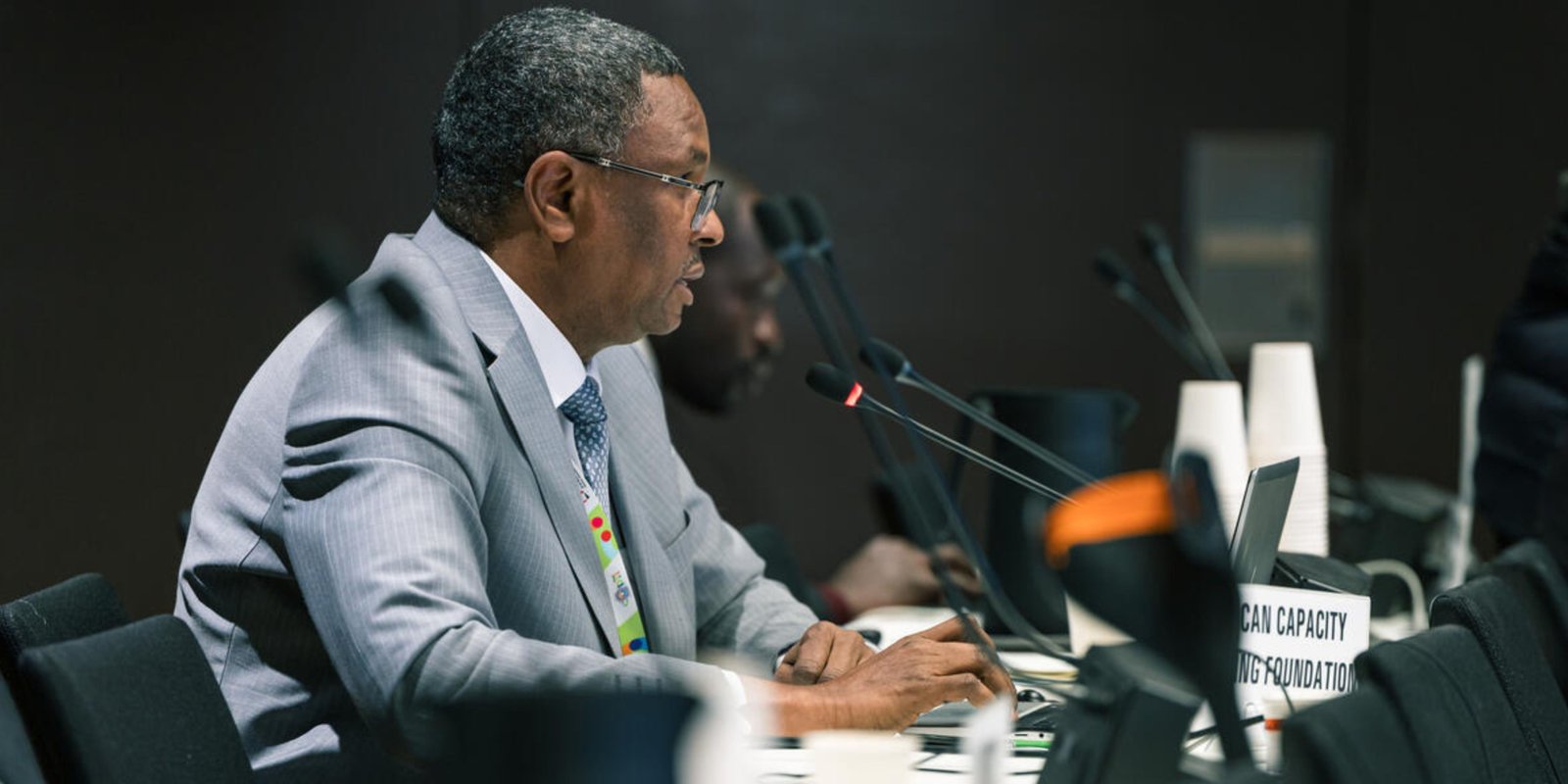
Daouda Elhadj Adam - Copyright WHO FCTC -Antoine Tardy

Felix Tihby Felix Tih
November 27, 2025
Reading Time: 2 mins read

Africa Urged to Tackle Illicit Tobacco Trade as Global Treaty Talks Close

Illicit tobacco trade seen as threat to peace, public revenue and governance across African countries

Africa Urged to Tackle Illicit Tobacco Trade as Global Treaty Talks Close

Daouda Elhadj Adam - Copyright WHO FCTC -Antoine Tardy

Africa Urged to Tackle Illicit Tobacco Trade as Global Treaty Talks Close

Daouda Elhadj Adam - Copyright WHO FCTC -Antoine Tardy

Felix Tihby Felix Tih
December 3, 2025
Reading Time: 2 mins read

African institutions and global health officials are calling for stronger action against the illicit tobacco trade, warning that illegal flows are undermining public revenue, governance and stability across the continent.

The push came as global tobacco control negotiations in Geneva ended with new commitments to curb illicit trade, strengthen cooperation among nations and hold the tobacco industry accountable.

Delegates at the Eleventh Conference of the Parties to the WHO tobacco treaty and the Fourth Meeting of the Parties to its Protocol on Illicit Trade adopted measures addressing environmental harm, industry liability, international cooperation, sustainable financing, licensing and supply chain controls.

Parties also directed the Convention Secretariat, alongside the World Customs Organization and the U.N. Office on Drugs and Crime, to map global data on seizures of tobacco, tobacco products and manufacturing equipment to improve efforts to combat illicit trade.

African delegates used the talks to highlight the continent’s growing vulnerability. The African Capacity Building Foundation (ACBF), recently accepted as an observer to the protocol, urged stronger scientific, technical and institutional capacity across national and regional institutions.

“We observed, from both Parties and observers, a pressing need to strengthen scientific, technical and institutional capacities for the effective implementation of the Protocol at national, regional and international levels,” said Daouda Elhadj Adam, ACBF tobacco control expert.

“I draw the attention of Parties to the need to strengthen multisectoral cooperation, both regional and international, to improve the level of implementation of the Protocol,” he added.

Illicit tobacco accounts for an estimated 11% of the global market and costs governments about $47 billion a year. In Africa, experts warned that illegal tobacco flows weaken public finances and governance and, in some cases, help fund armed groups and criminal networks.

Andrew Black, acting head of the secretariat of the global tobacco treaty, said the preparation, production, distribution or sale of tobacco products outside legal and tax systems is more than a revenue issue.

“Illicit trade in tobacco products is not a victimless crime,” he said at the conclusion of MOP4. “It robs governments of vital resources, undermines public health … fuels corruption, money laundering and organized crime.”

African experts pointed to regional efforts such as the African Continental Free Trade Area as promising tools to disrupt smuggling through harmonized customs procedures, improved data sharing, stronger border controls and coordinated enforcement.

Elhadj Adam said closer cooperation with African regional economic communities, along with expanded capacity building and data sharing, is essential for effective implementation of the protocol.

The African Union Commission attended the global tobacco control meetings for the first time, reflecting increased regional engagement.

The participation of the African Union Commission and Africa CDC at COP11 marked a turning point in the continent’s engagement. It followed ongoing collaboration with the African Capacity Building Foundation (ACBF), building on a joint dialogue on tobacco control held in July 2025.

African delegates also sought additional protections against tobacco industry interference and more investment in sustainable financing for tobacco control.

“Together, it is possible to build more resilient, appropriate and more transparent systems capable of protecting current and future generations from the devastating effects of tobacco consumption,” Elhadj Adam said.

The WHO Framework Convention on Tobacco Control includes 183 parties. The next global sessions will take place in Yerevan, Armenia, in 2027.

GENEVA, Switzerland – Bantu Gazette
Reported by Felix Tih

Get the inside Story

Stay informed on the stories shaping Africa’s future. Get breaking news, in-depth analysis, opinions and exclusive insights from across the continent delivered to your inbox, free and unfiltered.


Get in touch for more:
Felix Tih
Editorial Director, Bantu Gazette
WhatsApp
LinkedIn
X (Twitter)
Instagram

Related Posts

Urgent Call for Action to Combat Antimicrobial Resistance in Africa
Health

Eswatini Launches New Epidemic Surveillance Guidelines

December 26, 2025
Botswana Launches Medical Delivery Drones to Improve Rural Health Access
Health

Botswana Launches Medical Delivery Drones to Improve Rural Health Access

December 3, 2025
Africa HealthTech Summit Pushes Policy Reform for Innovation
Health

Africa HealthTech Summit Pushes Policy Reform for Innovation

October 16, 2025
Health Taxes Shape Africa’s Path to Sustainable Financing
Health

Health Taxes Shape Africa’s Path to Sustainable Financing

October 13, 2025
Ghana Renews Mercy Ships Partnership to Boost Surgical Care
Health

Ghana Renews Mercy Ships Partnership to Boost Surgical Care

September 17, 2025
Sanitation Data in Sub-Saharan Africa Faces Major Challenges
Health

Sanitation Data in Sub-Saharan Africa Faces Major Challenges

August 26, 2025

Most Recent

Nigeria, UAE Agree to Eliminate Tariffs on Over 7,000 Products
Energy & Trade

Nigeria, UAE Agree to Eliminate Tariffs on Over 7,000 Products

by Aissatou Fall
January 13, 2026
0

Nigeria and the United Arab Emirates on Tuesday signed a Comprehensive Economic Partnership Agreement that removes tariffs on more than...

Read moreDetails
Ghana’s Energy Sector Remains Country’s Biggest Economic Risk, Finance Minister Says

Ghana Clears $1.47 Billion in Energy Debts, Restores World Bank Guarantee

January 12, 2026
Eto’o Commends Morocco’s AFCON Hosting, Sportsmanship After Cameroon’s Exit

Eto’o Commends Morocco’s AFCON Hosting, Sportsmanship After Cameroon’s Exit

January 11, 2026
Africa’s Oldest Cremation Pyre Found in Malawi, Dating Back 9,500 Years

Africa’s Oldest Cremation Pyre Found in Malawi, Dating Back 9,500 Years

January 10, 2026
Ethiopia Breaks Ground on Africa’s Largest Airport

Ethiopia Breaks Ground on Africa’s Largest Airport

January 10, 2026
Kenya Secures Funds to Protect Reefs, Grow Coastal Economy

Kenya Secures Funds to Protect Reefs, Grow Coastal Economy

January 9, 2026
Morocco Leverages AFCON 2025 to Boost Global Tourism Visibility

Morocco Leverages AFCON 2025 to Boost Global Tourism Visibility

January 7, 2026
Nigeria, UAE Agree to Eliminate Tariffs on Over 7,000 Products
Energy & Trade

Nigeria, UAE Agree to Eliminate Tariffs on Over 7,000 Products

by Aissatou Fall
Reading Time: 1 min read
January 13, 2026
0

Nigeria and the United Arab Emirates on Tuesday signed a Comprehensive Economic Partnership Agreement that removes tariffs on more than...

Read moreDetails
Ghana’s Energy Sector Remains Country’s Biggest Economic Risk, Finance Minister Says
Politics & Economy

Ghana Clears $1.47 Billion in Energy Debts, Restores World Bank Guarantee

by Marcelo Edjang
Reading Time: 1 min read
January 12, 2026
0

The Government of Ghana paid about $1.47 billion in 2025 to clear energy sector arrears, restore a key World Bank...

Read moreDetails
Eto’o Commends Morocco’s AFCON Hosting, Sportsmanship After Cameroon’s Exit
Sports

Eto’o Commends Morocco’s AFCON Hosting, Sportsmanship After Cameroon’s Exit

by Elise Ntebah
Reading Time: 1 min read
January 11, 2026
0

Samuel Eto’o, president of the Cameroon Football Federation, praised Morocco for its exemplary organization and warm hospitality during the 2025...

Read moreDetails

Africa Urged to Tackle Illicit Tobacco Trade as Global Treaty Talks Close

Illicit tobacco trade seen as threat to peace, public revenue and governance across African countries

Africa Urged to Tackle Illicit Tobacco Trade as Global Treaty Talks Close

Daouda Elhadj Adam - Copyright WHO FCTC -Antoine Tardy

African institutions and global health officials are calling for stronger action against the illicit tobacco trade, warning that illegal flows are undermining public revenue, governance and stability across the continent.

The push came as global tobacco control negotiations in Geneva ended with new commitments to curb illicit trade, strengthen cooperation among nations and hold the tobacco industry accountable.

Delegates at the Eleventh Conference of the Parties to the WHO tobacco treaty and the Fourth Meeting of the Parties to its Protocol on Illicit Trade adopted measures addressing environmental harm, industry liability, international cooperation, sustainable financing, licensing and supply chain controls.

Parties also directed the Convention Secretariat, alongside the World Customs Organization and the U.N. Office on Drugs and Crime, to map global data on seizures of tobacco, tobacco products and manufacturing equipment to improve efforts to combat illicit trade.

African delegates used the talks to highlight the continent’s growing vulnerability. The African Capacity Building Foundation (ACBF), recently accepted as an observer to the protocol, urged stronger scientific, technical and institutional capacity across national and regional institutions.

“We observed, from both Parties and observers, a pressing need to strengthen scientific, technical and institutional capacities for the effective implementation of the Protocol at national, regional and international levels,” said Daouda Elhadj Adam, ACBF tobacco control expert.

“I draw the attention of Parties to the need to strengthen multisectoral cooperation, both regional and international, to improve the level of implementation of the Protocol,” he added.

Illicit tobacco accounts for an estimated 11% of the global market and costs governments about $47 billion a year. In Africa, experts warned that illegal tobacco flows weaken public finances and governance and, in some cases, help fund armed groups and criminal networks.

Andrew Black, acting head of the secretariat of the global tobacco treaty, said the preparation, production, distribution or sale of tobacco products outside legal and tax systems is more than a revenue issue.

“Illicit trade in tobacco products is not a victimless crime,” he said at the conclusion of MOP4. “It robs governments of vital resources, undermines public health … fuels corruption, money laundering and organized crime.”

African experts pointed to regional efforts such as the African Continental Free Trade Area as promising tools to disrupt smuggling through harmonized customs procedures, improved data sharing, stronger border controls and coordinated enforcement.

Elhadj Adam said closer cooperation with African regional economic communities, along with expanded capacity building and data sharing, is essential for effective implementation of the protocol.

The African Union Commission attended the global tobacco control meetings for the first time, reflecting increased regional engagement.

The participation of the African Union Commission and Africa CDC at COP11 marked a turning point in the continent’s engagement. It followed ongoing collaboration with the African Capacity Building Foundation (ACBF), building on a joint dialogue on tobacco control held in July 2025.

African delegates also sought additional protections against tobacco industry interference and more investment in sustainable financing for tobacco control.

“Together, it is possible to build more resilient, appropriate and more transparent systems capable of protecting current and future generations from the devastating effects of tobacco consumption,” Elhadj Adam said.

The WHO Framework Convention on Tobacco Control includes 183 parties. The next global sessions will take place in Yerevan, Armenia, in 2027.

GENEVA, Switzerland – Bantu Gazette
Reported by Felix Tih

Africa Urged to Tackle Illicit Tobacco Trade as Global Treaty Talks Close

Illicit tobacco trade seen as threat to peace, public revenue and governance across African countries

Africa Urged to Tackle Illicit Tobacco Trade as Global Treaty Talks Close

Daouda Elhadj Adam - Copyright WHO FCTC -Antoine Tardy

Felix Tihby Felix Tih
November 27, 2025

African institutions and global health officials are calling for stronger action against the illicit tobacco trade, warning that illegal flows are undermining public revenue, governance and stability across the continent.

The push came as global tobacco control negotiations in Geneva ended with new commitments to curb illicit trade, strengthen cooperation among nations and hold the tobacco industry accountable.

Delegates at the Eleventh Conference of the Parties to the WHO tobacco treaty and the Fourth Meeting of the Parties to its Protocol on Illicit Trade adopted measures addressing environmental harm, industry liability, international cooperation, sustainable financing, licensing and supply chain controls.

Parties also directed the Convention Secretariat, alongside the World Customs Organization and the U.N. Office on Drugs and Crime, to map global data on seizures of tobacco, tobacco products and manufacturing equipment to improve efforts to combat illicit trade.

African delegates used the talks to highlight the continent’s growing vulnerability. The African Capacity Building Foundation (ACBF), recently accepted as an observer to the protocol, urged stronger scientific, technical and institutional capacity across national and regional institutions.

“We observed, from both Parties and observers, a pressing need to strengthen scientific, technical and institutional capacities for the effective implementation of the Protocol at national, regional and international levels,” said Daouda Elhadj Adam, ACBF tobacco control expert.

“I draw the attention of Parties to the need to strengthen multisectoral cooperation, both regional and international, to improve the level of implementation of the Protocol,” he added.

Illicit tobacco accounts for an estimated 11% of the global market and costs governments about $47 billion a year. In Africa, experts warned that illegal tobacco flows weaken public finances and governance and, in some cases, help fund armed groups and criminal networks.

Andrew Black, acting head of the secretariat of the global tobacco treaty, said the preparation, production, distribution or sale of tobacco products outside legal and tax systems is more than a revenue issue.

“Illicit trade in tobacco products is not a victimless crime,” he said at the conclusion of MOP4. “It robs governments of vital resources, undermines public health … fuels corruption, money laundering and organized crime.”

African experts pointed to regional efforts such as the African Continental Free Trade Area as promising tools to disrupt smuggling through harmonized customs procedures, improved data sharing, stronger border controls and coordinated enforcement.

Elhadj Adam said closer cooperation with African regional economic communities, along with expanded capacity building and data sharing, is essential for effective implementation of the protocol.

The African Union Commission attended the global tobacco control meetings for the first time, reflecting increased regional engagement.

The participation of the African Union Commission and Africa CDC at COP11 marked a turning point in the continent’s engagement. It followed ongoing collaboration with the African Capacity Building Foundation (ACBF), building on a joint dialogue on tobacco control held in July 2025.

African delegates also sought additional protections against tobacco industry interference and more investment in sustainable financing for tobacco control.

“Together, it is possible to build more resilient, appropriate and more transparent systems capable of protecting current and future generations from the devastating effects of tobacco consumption,” Elhadj Adam said.

The WHO Framework Convention on Tobacco Control includes 183 parties. The next global sessions will take place in Yerevan, Armenia, in 2027.

GENEVA, Switzerland – Bantu Gazette
Reported by Felix Tih

Get the inside Story

Stay informed on the stories shaping Africa’s future. Get breaking news, in-depth analysis, opinions and exclusive insights from across the continent delivered to your inbox, free and unfiltered.


Get in touch for more:
Felix Tih
Editorial Director, Bantu Gazette
WhatsApp
LinkedIn
X (Twitter)
Instagram

Related Posts

Urgent Call for Action to Combat Antimicrobial Resistance in Africa

Eswatini Launches New Epidemic Surveillance Guidelines

by Jane Mukami
November 26, 2025
0

...

Botswana Launches Medical Delivery Drones to Improve Rural Health Access

Botswana Launches Medical Delivery Drones to Improve Rural Health Access

by Jane Mukami
November 24, 2025
0

...

Africa HealthTech Summit Pushes Policy Reform for Innovation

Africa HealthTech Summit Pushes Policy Reform for Innovation

by Jane Mukami
October 13, 2025
0

...

Health Taxes Shape Africa’s Path to Sustainable Financing

Health Taxes Shape Africa’s Path to Sustainable Financing

by Felix Tih
October 7, 2025
0

...

Ghana Renews Mercy Ships Partnership to Boost Surgical Care

Ghana Renews Mercy Ships Partnership to Boost Surgical Care

by Cynthia N. Ganchok
September 17, 2025
0

...

Sanitation Data in Sub-Saharan Africa Faces Major Challenges

Sanitation Data in Sub-Saharan Africa Faces Major Challenges

by Samira Benhadda
August 26, 2025
0

...

Nigeria, UAE Agree to Eliminate Tariffs on Over 7,000 Products
Energy & Trade

Nigeria, UAE Agree to Eliminate Tariffs on Over 7,000 Products

by Aissatou Fall
Reading Time: 1 min read
January 13, 2026
0

Nigeria and the United Arab Emirates on Tuesday signed a Comprehensive Economic Partnership Agreement that removes tariffs on more than...

Read moreDetails
Ghana’s Energy Sector Remains Country’s Biggest Economic Risk, Finance Minister Says

Ghana Clears $1.47 Billion in Energy Debts, Restores World Bank Guarantee

by Marcelo Edjang
January 12, 2026
0

The Government of Ghana paid about $1.47 billion in 2025 to clear energy sector arrears, restore a key World Bank...

Eto’o Commends Morocco’s AFCON Hosting, Sportsmanship After Cameroon’s Exit

Eto’o Commends Morocco’s AFCON Hosting, Sportsmanship After Cameroon’s Exit

by Elise Ntebah
January 11, 2026
0

Samuel Eto’o, president of the Cameroon Football Federation, praised Morocco for its exemplary organization and warm hospitality during the 2025...

Africa’s Oldest Cremation Pyre Found in Malawi, Dating Back 9,500 Years

Africa’s Oldest Cremation Pyre Found in Malawi, Dating Back 9,500 Years

by Amani Mwakalebela
January 10, 2026
0

Archaeologists have uncovered Africa’s earliest known cremation at the base of Mount Hora in northern Malawi, dating to about 9,500...

Ethiopia Breaks Ground on Africa’s Largest Airport

Ethiopia Breaks Ground on Africa’s Largest Airport

by Maraki Desta
January 10, 2026
0

Ethiopia has broken ground on Bishoftu International Airport, a multi-billion-dollar project set to become the largest aviation infrastructure development in...

Next Post
digital abuse against women surges amid legal and platform gaps

Digital Abuse Against Women Surges Amid Legal and Platform Gaps

east africa court ruling clears path for uganda tanzania pipeline

East Africa Court Ruling Clears Path for Uganda Tanzania Pipeline

egypt moves to launch second tax facilitation package

Egypt Moves to Launch Second Tax Facilitation Package

Rwanda Opens 10 New Mining Blocks to Global Investors

Rwanda Opens 10 New Mining Blocks to Global Investors

Bantu Gazette is a pioneering news platform that champions Africa's development, culture, and heritage. We spotlight the continent's successes, address its challenges, and provide insightful coverage of events that shape its future.

Bantu Gazette is a pioneering news platform that champions Africa's development, culture, and heritage. We spotlight the continent's successes, address its challenges, and provide insightful coverage of events that shape its future.

Our Platforms

  • Bantu Magazine
  • Bantu Brief
  • Black Frame Studio

Our Services

  • Bantu Agency
  • Advertise
  • Partnerships

Our Services

  • Editorial Director
  • Opportunities
  • Contact

Bantu Gazette is a pioneering news platform that champions Africa's development, culture, and heritage. We spotlight the continent's successes, address its challenges, and provide insightful coverage of events that shape its future.

Our Platforms

  • Bantu Magazine
  • Bantu Brief
  • Black Frame Studio

Our Services

  • Bantu Agency
  • Advertise
  • Partnerships

Our Services

  • Editorial Director
  • Opportunities
  • Contact
Bantu Gazette
  • Energy & Trade
  • Finance
  • Health
  • Politics & Economy
  • Technology
  • Environment
  • Feature
  • Opinion
  • Changemakers
  • Tourism & Culture
  • Magazine