

Bantu Gazette
  • Black Frame Studio
  • Magazine
No Result
View All Result
Bantu Gazette
  • Black Frame Studio
  • Magazine
No Result
View All Result
Bantu Gazette
No Result
View All Result

Trump’s Lesotho Remark Sparks Outrage: A Closer Look at ‘The Kingdom in the Sky’

Trump’s Lesotho Remark Sparks Outrage: A Closer Look at ‘The Kingdom in the Sky’
Felix Tihby Felix Tih
March 6, 2025
Reading Time: 5 mins read

Trump’s Lesotho Remark Sparks Outrage: A Closer Look at ‘The Kingdom in the Sky’

Trump’s Lesotho Remark Sparks Outrage: A Closer Look at ‘The Kingdom in the Sky’
Felix Tihby Felix Tih
July 16, 2025
Reading Time: 5 mins read

MASERU, Lesotho (BG) – In a Tuesday evening speech before the U.S. Congress, President Donald Trump listed several foreign expenditures he deemed wasteful. Among them was aid to Lesotho—a beautiful African country he dismissively referred to as “the African nation of Lesotho, which nobody has ever heard of.”

The comment provoked an immediate backlash. Lesotho’s foreign minister, Lejone Mpotjoane, condemned the statement as “quite insulting,” expressing disbelief that his country could be referred to in such a dismissive manner.

“I’m really shocked that my country can be referred to like that by the head of state,” he told Reuters.

“Lesotho is such a significant and unique country in the whole world. I would be happy to invite the president, as well as the rest of the world, to come to Lesotho.”

Across Africa and beyond, Trump’s remarks faced criticism, as many perceived them to reflect a wider pattern of Western indifference towards smaller nations.

Yet, this controversy also presents an opportunity to shed light on Lesotho, a nation rich in history, culture, and geopolitical significance.

The United States recognized the Kingdom of Lesotho on October 4, 1966, when the American Embassy at Maseru was established upon Lesotho’s attainment of independence on that same date.

Lesotho: A Kingdom of Resilience and Heritage

Far from being an obscure, inconsequential state, Lesotho has a profound historical legacy and a unique position on the African continent.

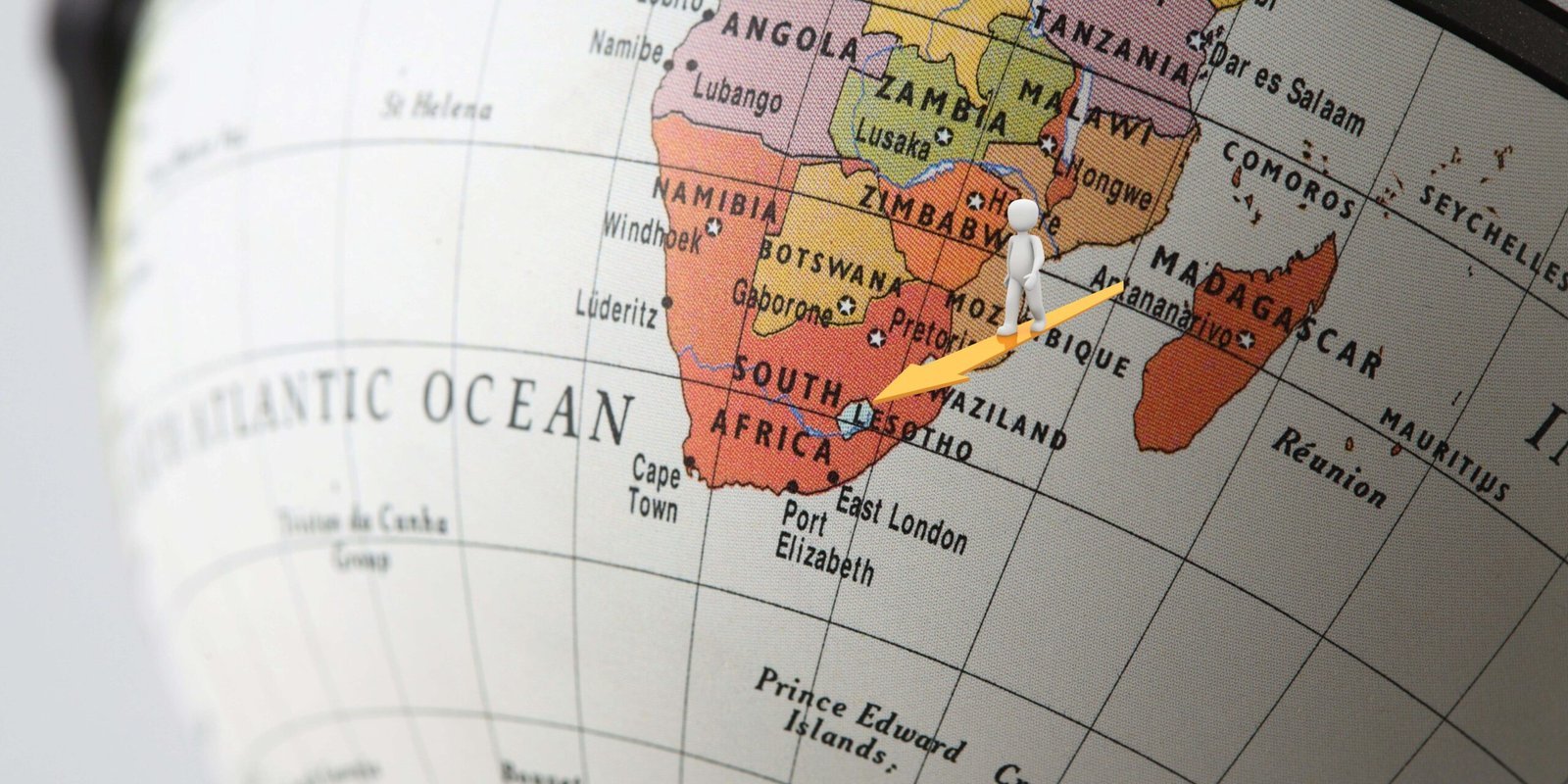
Nestled entirely within the borders of South Africa, Lesotho is one of the world’s few enclaved nations.

This small constitutional monarchy, home to about 2.3 million people, has maintained its sovereignty despite its powerful neighbour’s political and economic dominance.
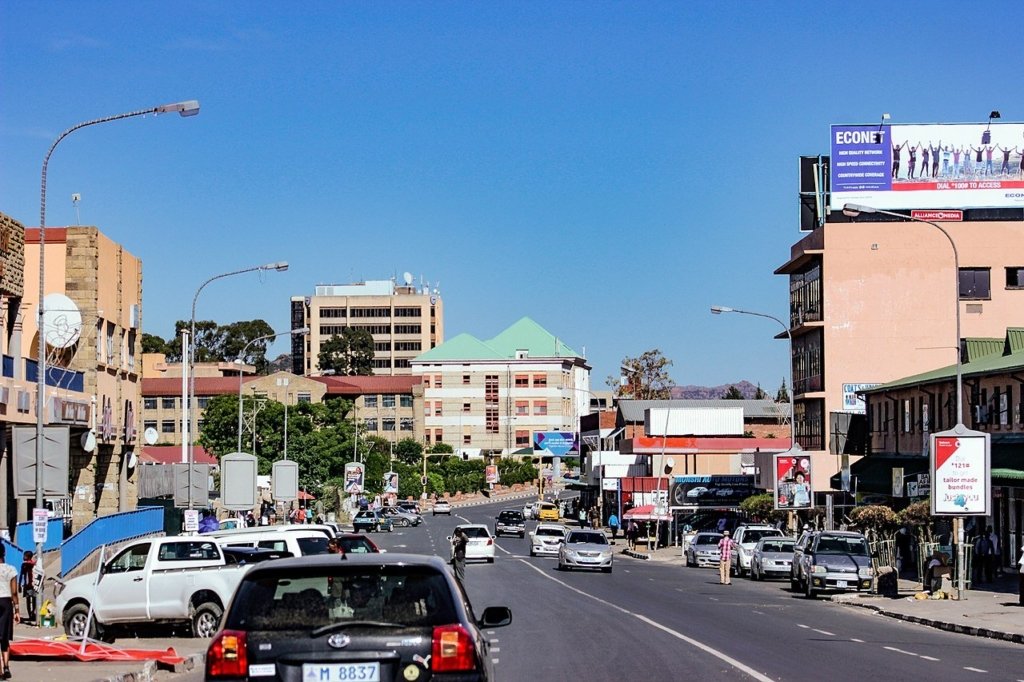
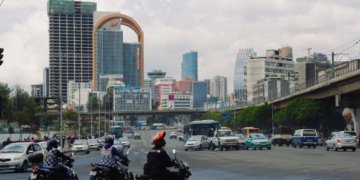
Maseru, capital of Lesotho

A History of Independence and Survival

Lesotho’s story is one of resilience. The kingdom traces its roots to the early 19th century, when King Moshoeshoe I united various Sotho-speaking groups to resist the encroachment of Zulu expansionists and European colonial powers.

Under his leadership, Lesotho secured protection from the British in 1868, later becoming the British Crown Colony of Basutoland.

Unlike many African nations, Lesotho voluntarily sought British oversight to shield itself from annexation by the Dutch-speaking Boers, who later formed part of South Africa.

Lesotho gained independence from Britain in 1966, retaining its monarchy and establishing itself as a distinct political entity.

Today, the nation remains proud of its heritage, with a rich tradition of diplomacy and self-determination.

A Land of Beauty and Strategic Importance

Beyond its historical significance, Lesotho is known for its stunning landscapes. Dubbed the Kingdom in the Sky, the country boasts the highest low point of any nation in the world, with its entire territory at an elevation of over 1,400 meters (4,593 feet).

This altitude gives Lesotho a unique climate and makes it a key water supplier to South Africa through the Lesotho Highlands Water Project.

The nation’s rivers and dams provide vital water resources to Johannesburg and other economic hubs, reinforcing its strategic importance.

Lesotho has carved out a niche in the global textile industry, supplying garments to major American brands under the African Growth and Opportunity Act (AGOA).

The textile sector remains one of Lesotho’s largest employers, particularly for women, highlighting the nation’s economic interconnectivity with the U.S.—an irony given Trump’s remarks.
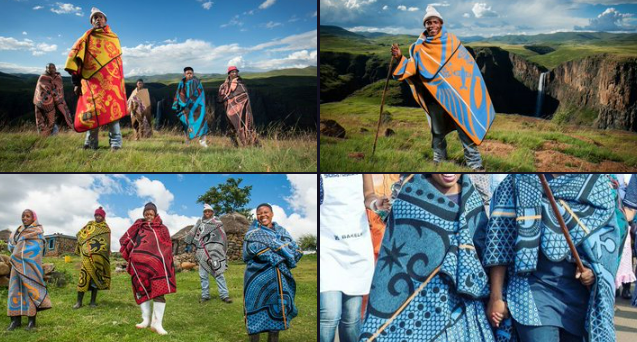
Basotho Heritage Blankets

Diplomatic Fallout: The Broader Implications

Trump’s statement was not just an insult; it was a diplomatic misstep that demonstrates the often dismissive attitude toward African nations in Western political discourse.

Lesotho’s leaders quickly pushed back, with Mpotjoane’s invitation serving as both a rebuke and an educational opportunity.

While the U.S. and Lesotho do not share a particularly high-profile bilateral relationship, America has supported Lesotho through various aid programs, including the President’s Emergency Plan for AIDS Relief (PEPFAR) and the Millennium Challenge Corporation.

Such partnerships highlight the importance of diplomatic respect—something Trump’s remark failed to acknowledge.

The controversy echoes past instances where world leaders have underestimated or ridiculed smaller nations, only to face backlash.

In 2018, Trump’s alleged reference to African nations as “shithole countries” provoked outrage across the continent.

It serves as a reminder that global diplomacy requires nuance and respect, regardless of a country’s size or geopolitical weight.

Why Recognition Matters

The uproar over Trump’s remarks speaks to a broader issue: the tendency of some Western leaders to view Africa through a lens of generalization and neglect.

Lesotho’s contributions—to regional stability, environmental conservation, and economic development—deserve acknowledgment.

For too long, the Western narrative around Africa has been one of deficit rather than distinction.

Nations like Lesotho, with their rich histories and strategic roles, challenge this perception.

Instead of dismissing them, global leaders would do well to engage with and learn from them.

Lesotho is more than just a name on a map; it is a proud kingdom with a rich history of resilience and a people imbued with strength, playing a role that extends far beyond common assumptions.

The next time a leader dismisses a nation as “unknown,” it is worth asking: is it the nation that is obscure, or is our knowledge lacking?


Get the inside Story

Stay informed on the stories shaping Africa’s future. Get breaking news, in-depth analysis, opinions and exclusive insights from across the continent delivered to your inbox, free and unfiltered.


Related Posts

Kenya to Recruit 20,000 Teachers as Education Investments Pay Off
Politics & Economy

Kenya Introduces School Fees as Malawi Declares Free Education

November 10, 2025
South Africa’s G20 Presidency a Catalyst for Energy Investment in Africa
Politics & Economy

G20 Report Warns of Rising Inequality, Urges Global Action

November 5, 2025
Namibia Deepens Regional Ties Through Trade and Energy
Politics & Economy

Namibia Repays $750 Million Eurobond, Largest Debt Maturity in Its History

November 4, 2025
$1.5 Billion Fund Targets Infrastructure Projects Across Africa
Politics & Economy

$1.5 Billion Fund Targets Infrastructure Projects Across Africa

November 5, 2025
Paul Biya Wins Eighth Term in Disputed Cameroon Election
Politics & Economy

Paul Biya Wins Eighth Term in Disputed Cameroon Election

October 30, 2025
Nigeria Begins Training 1 Million Youth to Boost Jobs, Economic Inclusion
Politics & Economy

Nigeria Begins Training 1 Million Youth to Boost Jobs, Economic Inclusion

October 25, 2025

Most Recent

Kenya to Recruit 20,000 Teachers as Education Investments Pay Off
Politics & Economy

Kenya Introduces School Fees as Malawi Declares Free Education

by Bantu Gazette
November 10, 2025
0

Kenya will begin charging public senior secondary school students an annual fee of KSh 53,554 (about $340) starting in 2026,...

Read moreDetails
Ethiopia Launches First Electronic Passport, Marking New Era in Secure Travel

Ethiopia’s New E-passport Earns Global Design Honor

November 10, 2025
South Africa’s G20 Presidency a Catalyst for Energy Investment in Africa

G20 Report Warns of Rising Inequality, Urges Global Action

November 5, 2025
Namibia Deepens Regional Ties Through Trade and Energy

Namibia Repays $750 Million Eurobond, Largest Debt Maturity in Its History

November 4, 2025
Mali Unveils 2nd Lithium Mine as Part of Economic Sovereignty Push

Mali Unveils 2nd Lithium Mine as Part of Economic Sovereignty Push

November 5, 2025
$1.5 Billion Fund Targets Infrastructure Projects Across Africa

$1.5 Billion Fund Targets Infrastructure Projects Across Africa

November 5, 2025
Kenya Dominates New York Marathon as Obiri Breaks Course Record

Kenya Dominates New York Marathon as Obiri Breaks Course Record

November 5, 2025
Kenya to Recruit 20,000 Teachers as Education Investments Pay Off
Politics & Economy

Kenya Introduces School Fees as Malawi Declares Free Education

by Bantu Gazette
Reading Time: 1 min read
November 10, 2025
0

Kenya will begin charging public senior secondary school students an annual fee of KSh 53,554 (about $340) starting in 2026,...

Read moreDetails
Ethiopia Launches First Electronic Passport, Marking New Era in Secure Travel
Tourism & Culture

Ethiopia’s New E-passport Earns Global Design Honor

by Maraki Desta
Reading Time: 1 min read
November 10, 2025
0

Ethiopia's recently introduced electronic passport has won the 2025 Red Dot Award for Brands and Communication Design, according to Selamawit...

Read moreDetails
South Africa’s G20 Presidency a Catalyst for Energy Investment in Africa
Politics & Economy

G20 Report Warns of Rising Inequality, Urges Global Action

by Naledi Kgosi
Reading Time: 1 min read
November 5, 2025
0

The G20 Global Inequality Report, presented Tuesday to President Cyril Ramaphosa in Cape Town, outlines a stark portrait of inequality...

Read moreDetails

Trump’s Lesotho Remark Sparks Outrage: A Closer Look at ‘The Kingdom in the Sky’

Trump’s Lesotho Remark Sparks Outrage: A Closer Look at ‘The Kingdom in the Sky’

MASERU, Lesotho (BG) – In a Tuesday evening speech before the U.S. Congress, President Donald Trump listed several foreign expenditures he deemed wasteful. Among them was aid to Lesotho—a beautiful African country he dismissively referred to as “the African nation of Lesotho, which nobody has ever heard of.”

The comment provoked an immediate backlash. Lesotho’s foreign minister, Lejone Mpotjoane, condemned the statement as “quite insulting,” expressing disbelief that his country could be referred to in such a dismissive manner.

“I’m really shocked that my country can be referred to like that by the head of state,” he told Reuters.

“Lesotho is such a significant and unique country in the whole world. I would be happy to invite the president, as well as the rest of the world, to come to Lesotho.”

Across Africa and beyond, Trump’s remarks faced criticism, as many perceived them to reflect a wider pattern of Western indifference towards smaller nations.

Yet, this controversy also presents an opportunity to shed light on Lesotho, a nation rich in history, culture, and geopolitical significance.

The United States recognized the Kingdom of Lesotho on October 4, 1966, when the American Embassy at Maseru was established upon Lesotho’s attainment of independence on that same date.

Lesotho: A Kingdom of Resilience and Heritage

Far from being an obscure, inconsequential state, Lesotho has a profound historical legacy and a unique position on the African continent.

Nestled entirely within the borders of South Africa, Lesotho is one of the world’s few enclaved nations.

This small constitutional monarchy, home to about 2.3 million people, has maintained its sovereignty despite its powerful neighbour’s political and economic dominance.

Maseru, capital of Lesotho

A History of Independence and Survival

Lesotho’s story is one of resilience. The kingdom traces its roots to the early 19th century, when King Moshoeshoe I united various Sotho-speaking groups to resist the encroachment of Zulu expansionists and European colonial powers.

Under his leadership, Lesotho secured protection from the British in 1868, later becoming the British Crown Colony of Basutoland.

Unlike many African nations, Lesotho voluntarily sought British oversight to shield itself from annexation by the Dutch-speaking Boers, who later formed part of South Africa.

Lesotho gained independence from Britain in 1966, retaining its monarchy and establishing itself as a distinct political entity.

Today, the nation remains proud of its heritage, with a rich tradition of diplomacy and self-determination.

A Land of Beauty and Strategic Importance

Beyond its historical significance, Lesotho is known for its stunning landscapes. Dubbed the Kingdom in the Sky, the country boasts the highest low point of any nation in the world, with its entire territory at an elevation of over 1,400 meters (4,593 feet).

This altitude gives Lesotho a unique climate and makes it a key water supplier to South Africa through the Lesotho Highlands Water Project.

The nation’s rivers and dams provide vital water resources to Johannesburg and other economic hubs, reinforcing its strategic importance.

Lesotho has carved out a niche in the global textile industry, supplying garments to major American brands under the African Growth and Opportunity Act (AGOA).

The textile sector remains one of Lesotho’s largest employers, particularly for women, highlighting the nation’s economic interconnectivity with the U.S.—an irony given Trump’s remarks.

Basotho Heritage Blankets

Diplomatic Fallout: The Broader Implications

Trump’s statement was not just an insult; it was a diplomatic misstep that demonstrates the often dismissive attitude toward African nations in Western political discourse.

Lesotho’s leaders quickly pushed back, with Mpotjoane’s invitation serving as both a rebuke and an educational opportunity.

While the U.S. and Lesotho do not share a particularly high-profile bilateral relationship, America has supported Lesotho through various aid programs, including the President’s Emergency Plan for AIDS Relief (PEPFAR) and the Millennium Challenge Corporation.

Such partnerships highlight the importance of diplomatic respect—something Trump’s remark failed to acknowledge.

The controversy echoes past instances where world leaders have underestimated or ridiculed smaller nations, only to face backlash.

In 2018, Trump’s alleged reference to African nations as “shithole countries” provoked outrage across the continent.

It serves as a reminder that global diplomacy requires nuance and respect, regardless of a country’s size or geopolitical weight.

Why Recognition Matters

The uproar over Trump’s remarks speaks to a broader issue: the tendency of some Western leaders to view Africa through a lens of generalization and neglect.

Lesotho’s contributions—to regional stability, environmental conservation, and economic development—deserve acknowledgment.

For too long, the Western narrative around Africa has been one of deficit rather than distinction.

Nations like Lesotho, with their rich histories and strategic roles, challenge this perception.

Instead of dismissing them, global leaders would do well to engage with and learn from them.

Lesotho is more than just a name on a map; it is a proud kingdom with a rich history of resilience and a people imbued with strength, playing a role that extends far beyond common assumptions.

The next time a leader dismisses a nation as “unknown,” it is worth asking: is it the nation that is obscure, or is our knowledge lacking?
Trump’s Lesotho Remark Sparks Outrage: A Closer Look at ‘The Kingdom in the Sky’

Trump’s Lesotho Remark Sparks Outrage: A Closer Look at ‘The Kingdom in the Sky’
Felix Tihby Felix Tih
March 6, 2025

MASERU, Lesotho (BG) – In a Tuesday evening speech before the U.S. Congress, President Donald Trump listed several foreign expenditures he deemed wasteful. Among them was aid to Lesotho—a beautiful African country he dismissively referred to as “the African nation of Lesotho, which nobody has ever heard of.”

The comment provoked an immediate backlash. Lesotho’s foreign minister, Lejone Mpotjoane, condemned the statement as “quite insulting,” expressing disbelief that his country could be referred to in such a dismissive manner.

“I’m really shocked that my country can be referred to like that by the head of state,” he told Reuters.

“Lesotho is such a significant and unique country in the whole world. I would be happy to invite the president, as well as the rest of the world, to come to Lesotho.”

Across Africa and beyond, Trump’s remarks faced criticism, as many perceived them to reflect a wider pattern of Western indifference towards smaller nations.

Yet, this controversy also presents an opportunity to shed light on Lesotho, a nation rich in history, culture, and geopolitical significance.

The United States recognized the Kingdom of Lesotho on October 4, 1966, when the American Embassy at Maseru was established upon Lesotho’s attainment of independence on that same date.

Lesotho: A Kingdom of Resilience and Heritage

Far from being an obscure, inconsequential state, Lesotho has a profound historical legacy and a unique position on the African continent.

Nestled entirely within the borders of South Africa, Lesotho is one of the world’s few enclaved nations.

This small constitutional monarchy, home to about 2.3 million people, has maintained its sovereignty despite its powerful neighbour’s political and economic dominance.

Maseru, capital of Lesotho

A History of Independence and Survival

Lesotho’s story is one of resilience. The kingdom traces its roots to the early 19th century, when King Moshoeshoe I united various Sotho-speaking groups to resist the encroachment of Zulu expansionists and European colonial powers.

Under his leadership, Lesotho secured protection from the British in 1868, later becoming the British Crown Colony of Basutoland.

Unlike many African nations, Lesotho voluntarily sought British oversight to shield itself from annexation by the Dutch-speaking Boers, who later formed part of South Africa.

Lesotho gained independence from Britain in 1966, retaining its monarchy and establishing itself as a distinct political entity.

Today, the nation remains proud of its heritage, with a rich tradition of diplomacy and self-determination.

A Land of Beauty and Strategic Importance

Beyond its historical significance, Lesotho is known for its stunning landscapes. Dubbed the Kingdom in the Sky, the country boasts the highest low point of any nation in the world, with its entire territory at an elevation of over 1,400 meters (4,593 feet).

This altitude gives Lesotho a unique climate and makes it a key water supplier to South Africa through the Lesotho Highlands Water Project.

The nation’s rivers and dams provide vital water resources to Johannesburg and other economic hubs, reinforcing its strategic importance.

Lesotho has carved out a niche in the global textile industry, supplying garments to major American brands under the African Growth and Opportunity Act (AGOA).

The textile sector remains one of Lesotho’s largest employers, particularly for women, highlighting the nation’s economic interconnectivity with the U.S.—an irony given Trump’s remarks.

Basotho Heritage Blankets

Diplomatic Fallout: The Broader Implications

Trump’s statement was not just an insult; it was a diplomatic misstep that demonstrates the often dismissive attitude toward African nations in Western political discourse.

Lesotho’s leaders quickly pushed back, with Mpotjoane’s invitation serving as both a rebuke and an educational opportunity.

While the U.S. and Lesotho do not share a particularly high-profile bilateral relationship, America has supported Lesotho through various aid programs, including the President’s Emergency Plan for AIDS Relief (PEPFAR) and the Millennium Challenge Corporation.

Such partnerships highlight the importance of diplomatic respect—something Trump’s remark failed to acknowledge.

The controversy echoes past instances where world leaders have underestimated or ridiculed smaller nations, only to face backlash.

In 2018, Trump’s alleged reference to African nations as “shithole countries” provoked outrage across the continent.

It serves as a reminder that global diplomacy requires nuance and respect, regardless of a country’s size or geopolitical weight.

Why Recognition Matters

The uproar over Trump’s remarks speaks to a broader issue: the tendency of some Western leaders to view Africa through a lens of generalization and neglect.

Lesotho’s contributions—to regional stability, environmental conservation, and economic development—deserve acknowledgment.

For too long, the Western narrative around Africa has been one of deficit rather than distinction.

Nations like Lesotho, with their rich histories and strategic roles, challenge this perception.

Instead of dismissing them, global leaders would do well to engage with and learn from them.

Lesotho is more than just a name on a map; it is a proud kingdom with a rich history of resilience and a people imbued with strength, playing a role that extends far beyond common assumptions.

The next time a leader dismisses a nation as “unknown,” it is worth asking: is it the nation that is obscure, or is our knowledge lacking?

Get the inside Story

Stay informed on the stories shaping Africa’s future. Get breaking news, in-depth analysis, opinions and exclusive insights from across the continent delivered to your inbox, free and unfiltered.


Related Posts

Kenya to Recruit 20,000 Teachers as Education Investments Pay Off

Kenya Introduces School Fees as Malawi Declares Free Education

by Bantu Gazette
November 10, 2025
0

...

South Africa’s G20 Presidency a Catalyst for Energy Investment in Africa

G20 Report Warns of Rising Inequality, Urges Global Action

by Naledi Kgosi
November 5, 2025
0

...

Namibia Deepens Regional Ties Through Trade and Energy

Namibia Repays $750 Million Eurobond, Largest Debt Maturity in Its History

by Amani Mwakalebela
November 4, 2025
0

...

$1.5 Billion Fund Targets Infrastructure Projects Across Africa

$1.5 Billion Fund Targets Infrastructure Projects Across Africa

by Maraki Desta
November 3, 2025
0

...

Paul Biya Wins Eighth Term in Disputed Cameroon Election

Paul Biya Wins Eighth Term in Disputed Cameroon Election

by Bantu Gazette
October 27, 2025
0

...

Nigeria Begins Training 1 Million Youth to Boost Jobs, Economic Inclusion

Nigeria Begins Training 1 Million Youth to Boost Jobs, Economic Inclusion

by Cynthia N. Ganchok
October 25, 2025
0

...

Kenya to Recruit 20,000 Teachers as Education Investments Pay Off
Politics & Economy

Kenya Introduces School Fees as Malawi Declares Free Education

by Bantu Gazette
Reading Time: 1 min read
November 10, 2025
0

Kenya will begin charging public senior secondary school students an annual fee of KSh 53,554 (about $340) starting in 2026,...

Read moreDetails
Ethiopia Launches First Electronic Passport, Marking New Era in Secure Travel

Ethiopia’s New E-passport Earns Global Design Honor

by Maraki Desta
November 10, 2025
0

Ethiopia's recently introduced electronic passport has won the 2025 Red Dot Award for Brands and Communication Design, according to Selamawit...

South Africa’s G20 Presidency a Catalyst for Energy Investment in Africa

G20 Report Warns of Rising Inequality, Urges Global Action

by Naledi Kgosi
November 5, 2025
0

The G20 Global Inequality Report, presented Tuesday to President Cyril Ramaphosa in Cape Town, outlines a stark portrait of inequality...

Namibia Deepens Regional Ties Through Trade and Energy

Namibia Repays $750 Million Eurobond, Largest Debt Maturity in Its History

by Amani Mwakalebela
November 4, 2025
0

Namibia has fully repaid its $750 million Eurobond issued in 2015, the country’s largest-ever debt maturity, according to a government...

Mali Unveils 2nd Lithium Mine as Part of Economic Sovereignty Push

Mali Unveils 2nd Lithium Mine as Part of Economic Sovereignty Push

by Aissatou Fall
November 3, 2025
0

Mali inaugurated its second lithium mine on Monday, marking a key milestone in the country’s strategy to strengthen economic sovereignty...

Next Post
Microsoft Invests Nearly $300M in South Africa to Expand AI, Digital Skills

Microsoft Invests Nearly $300M in South Africa to Expand AI, Digital Skills

African Union, EU Strengthen Ties with €20M Capacity-Building Agreement

African Union, EU Strengthen Ties with €20M Capacity-Building Agreement

Bénin : le gouvernement soutient la transformation du soja à Zogbodomey

Bénin : le gouvernement soutient la transformation du soja à Zogbodomey

Uganda’s Government Addressing Funding Gaps After US Aid Cuts, PM Says

Uganda’s Government Addressing Funding Gaps After US Aid Cuts, PM Says

The editorial platform of Bantu Agency.

The editorial platform of Bantu Agency.

Our Platforms

  • Bantu Magazine
  • Bantu Brief
  • Black Frame Studio

Our Services

  • Bantu Agency
  • Advertise
  • Partnerships

Our Services

  • Editorial Director
  • Opportunities
  • Contact

The editorial platform of Bantu Agency.

Our Platforms

  • Bantu Magazine
  • Bantu Brief
  • Black Frame Studio

Our Services

  • Bantu Agency
  • Advertise
  • Partnerships

Our Services

  • Editorial Director
  • Opportunities
  • Contact
Bantu Gazette
  • Energy & Trade
  • Finance
  • Health
  • Politics & Economy
  • Technology
  • Environment
  • Feature
  • Opinion
  • Changemakers
  • Tourism & Culture
  • Magazine