
Bantu Gazette

Bantu Gazette
  • Energy & Trade
  • Finance
  • Health
  • Politics & Economy
  • Technology
  • Environment
  • Feature
  • Opinion
  • Changemakers
  • Tourism & Culture
  • Sports
  • Magazine
Menu
  • Black Frame Studio
  • Magazine

‘We Can’t Be Spectators Anymore, Africa Must Lead’

Dr. Eric Ngang calls for African-led climate action, financing reform, and mineral policy shifts ahead of COP30 in Brazil.

‘We Can’t Be Spectators Anymore, Africa Must Lead’

Dr Eric Ngang

Maraki Destaby Maraki Desta
August 21, 2025
Reading Time: 2 mins read

‘We Can’t Be Spectators Anymore, Africa Must Lead’

Dr. Eric Ngang calls for African-led climate action, financing reform, and mineral policy shifts ahead of COP30 in Brazil.

‘We Can’t Be Spectators Anymore, Africa Must Lead’

Dr Eric Ngang

‘We Can’t Be Spectators Anymore, Africa Must Lead’

Dr Eric Ngang

Maraki Destaby Maraki Desta
August 31, 2025
Reading Time: 2 mins read

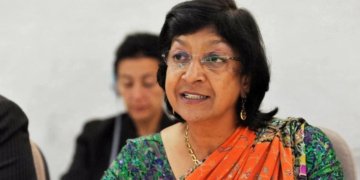
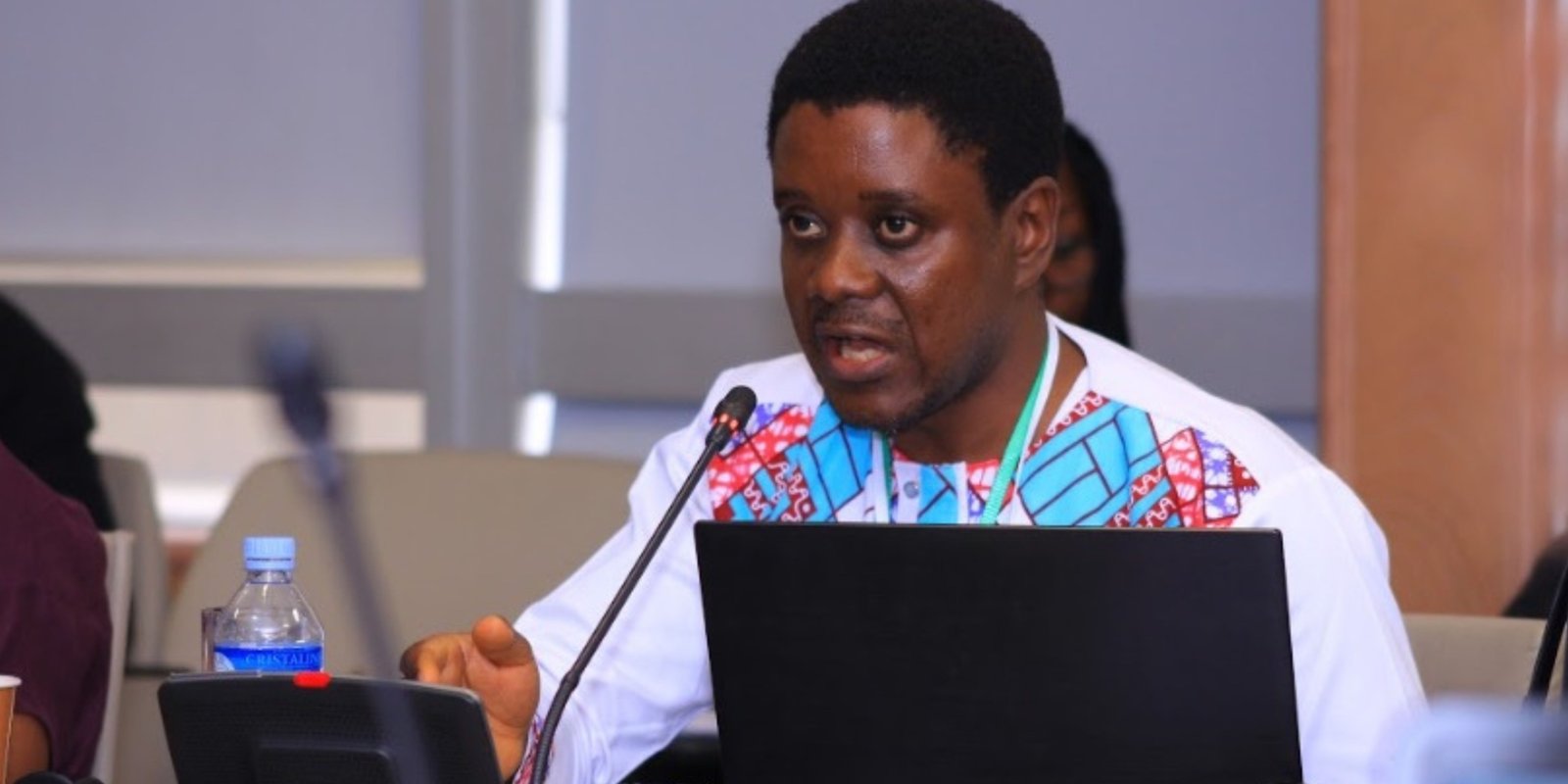
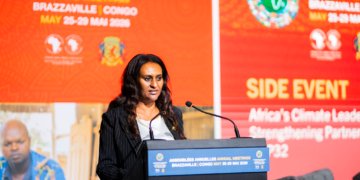
In an exclusive interview with Bantu Gazette, Cameroonian climate justice advocate Dr. Eric Ngang said Africa must step into a leadership role on climate, not as a responder to global directives but as a participant in shaping them.

With COP30 in Brazil approaching, he is calling for a continent-wide strategy rooted in African priorities, governance systems and innovation.

He argues that the continent can no longer afford to react to international agendas and must instead define its own path, guided by homegrown knowledge and systems of accountability.

For Ngang, climate finance remains a central fault line. He points out that less than 10% of climate funds reach local communities, with international intermediaries often sidelining those on the front lines.

Ahead of COP30, he is urging negotiators to push for direct access to mechanisms like the Green Climate Fund and to strengthen national systems that can manage resources effectively.

Greater investment in local adaptation strategies, he says, is essential to building resilience that lasts.

Ngang critiques the growing global demand for African minerals tied to decarbonization goals.

He warns that Africa is once again locked in an extractive model, exporting raw materials while absorbing the environmental and social costs.

He calls for stronger negotiating positions with enforceable local content rules, employment requirements, joint ventures, and incentives for domestic manufacturing.

Frameworks like the Africa Mining Vision and the African Continental Free Trade Area (AfCFTA) provide direction, but meaningful progress depends on coordinated implementation and effective regional cooperation.

Resilience depends on finance, strategy and grounded leadership.

On climate finance reform, Ngang stresses the importance of integrating climate goals with broader development strategies.

He advocates for domestic financing instruments such as green bonds, carbon taxes and sovereign wealth funds to build resilience from within.

Regional collaboration and blended finance models, he adds, can open pathways for innovation, especially for entrepreneurs advancing solutions in energy, water and food systems.

In the current landscape of energy market volatility, Ngang sees leverage. When global supply chains tighten, he believes African nations can negotiate more equitable terms through stronger partnerships.

A continent-wide mineral alliance, modeled on OPEC, could offer collective bargaining power and shared infrastructure.

Expanding diplomatic relationships beyond China and the European Union, he says, would give African countries greater flexibility and strategic depth.

For Ngang, leadership within the environmental, social and governance space must be rooted in service.

He shares examples of community transformation through modest, targeted interventions, proof, he says, that practical, locally grounded solutions often deliver the deepest impact.

Environmental, Social and Governance or ESG models, in his view, should prioritize lived experience over technical compliance.

He also called for long-term planning grounded in data, climate risk awareness and demographic foresight.

Investments in institutional capacity will be key to turning vision into practice.

Strengthening partnerships across the Global South, he adds, will help position Africa as a contributor to global solutions that are visionary, grounded and led from within.
CLICK HERE to read full interview.

Get the inside Story

Stay informed on the stories shaping Africa’s future. Get breaking news, in-depth analysis, opinions and exclusive insights from across the continent delivered to your inbox, free and unfiltered.


Get in touch for more:
Felix Tih
Editorial Director, Bantu Gazette
WhatsApp
LinkedIn
X (Twitter)
Instagram

Related Posts

Lomé Workshop Highlights Tax Policy Role in Africa’s Climate Strategy
Environment

Lomé Workshop Highlights Tax Policy Role in Africa’s Climate Strategy

February 13, 2026
Local Efforts Drive Miombo Forest Revival in Zimbabwe
Environment

Local Efforts Drive Miombo Forest Revival in Zimbabwe

January 28, 2026
Kenyan Activist Truphena Muthoni sets 72-hr Tree-Hugging World Record
Environment

Kenyan Activist Truphena Muthoni sets 72-hr Tree-Hugging World Record

January 31, 2026
Kenya Secures Funds to Protect Reefs, Grow Coastal Economy
Environment

Kenya Secures Funds to Protect Reefs, Grow Coastal Economy

January 9, 2026
Kenya Appoints Young Tree Activist as Conservation Envoy
Environment

Kenya Appoints Young Tree Activist as Conservation Envoy

December 16, 2025
Ethiopia to Host COP 32 After Securing African Support in Belém
Environment

Ethiopia to Host COP 32 After Securing African Support in Belém

November 14, 2025

Most Recent

Benin Finance Minister Wadagni Wins Presidency in Landslide
Politics & Economy

Benin Finance Minister Wadagni Wins Presidency in Landslide

by Felix Tih
April 14, 2026
0

Romuald Wadagni, the technocrat who spent a decade reshaping Benin’s public finances, has won the country’s presidential election after securing...

Read moreDetails

AU, Côte d’Ivoire Launch Continental Education Accountability Framework

April 13, 2026
Kenya Manufacturers Warn Logistics Costs Undercut Intra-African Trade Gains

Kenya Manufacturers Warn Logistics Costs Undercut Intra-African Trade Gains

April 13, 2026
Liberia Cabinet Adopts Infrastructure Roadmap, Monrovia Redevelopment Plan

Liberia Cabinet Adopts Infrastructure Roadmap, Monrovia Redevelopment Plan

April 13, 2026
Namibia Deepens Regional Ties Through Trade and Energy

Namibia Targets 24,000 Jobs From $3.8 Billion Investment Pipeline

April 12, 2026
‘Two Days Without a Penny’: Ethiopia’s Fuel Crisis Through the Eyes of Drivers

‘Two Days Without a Penny’: Ethiopia’s Fuel Crisis Through the Eyes of Drivers

April 11, 2026
South Africa’s Kusile Power Station Reaches Full Capacity, Ending Years of Setbacks

South Africa’s Kusile Power Station Reaches Full Capacity, Ending Years of Setbacks

April 11, 2026
Benin Finance Minister Wadagni Wins Presidency in Landslide
Politics & Economy

Benin Finance Minister Wadagni Wins Presidency in Landslide

by Felix Tih
Reading Time: 2 mins read
April 14, 2026
0

Romuald Wadagni, the technocrat who spent a decade reshaping Benin’s public finances, has won the country’s presidential election after securing...

Read moreDetails
Politics & Economy

AU, Côte d’Ivoire Launch Continental Education Accountability Framework

by Aissatou Fall
Reading Time: 1 min read
April 13, 2026
0

The African Union Commission and Côte d'Ivoire have launched a national Spotlight report on foundational learning, positioning the country as...

Read moreDetails
Kenya Manufacturers Warn Logistics Costs Undercut Intra-African Trade Gains
Energy & Trade

Kenya Manufacturers Warn Logistics Costs Undercut Intra-African Trade Gains

by Amani Mwakalebela
Reading Time: 1 min read
April 13, 2026
0

The Kenya Association of Manufacturers (KAM) has warned that logistics costs across major African trade corridors remain so high and...

Read moreDetails

‘We Can’t Be Spectators Anymore, Africa Must Lead’

Dr. Eric Ngang calls for African-led climate action, financing reform, and mineral policy shifts ahead of COP30 in Brazil.

‘We Can’t Be Spectators Anymore, Africa Must Lead’

Dr Eric Ngang

In an exclusive interview with Bantu Gazette, Cameroonian climate justice advocate Dr. Eric Ngang said Africa must step into a leadership role on climate, not as a responder to global directives but as a participant in shaping them.

With COP30 in Brazil approaching, he is calling for a continent-wide strategy rooted in African priorities, governance systems and innovation.

He argues that the continent can no longer afford to react to international agendas and must instead define its own path, guided by homegrown knowledge and systems of accountability.

For Ngang, climate finance remains a central fault line. He points out that less than 10% of climate funds reach local communities, with international intermediaries often sidelining those on the front lines.

Ahead of COP30, he is urging negotiators to push for direct access to mechanisms like the Green Climate Fund and to strengthen national systems that can manage resources effectively.

Greater investment in local adaptation strategies, he says, is essential to building resilience that lasts.

Ngang critiques the growing global demand for African minerals tied to decarbonization goals.

He warns that Africa is once again locked in an extractive model, exporting raw materials while absorbing the environmental and social costs.

He calls for stronger negotiating positions with enforceable local content rules, employment requirements, joint ventures, and incentives for domestic manufacturing.

Frameworks like the Africa Mining Vision and the African Continental Free Trade Area (AfCFTA) provide direction, but meaningful progress depends on coordinated implementation and effective regional cooperation.

Resilience depends on finance, strategy and grounded leadership.

On climate finance reform, Ngang stresses the importance of integrating climate goals with broader development strategies.

He advocates for domestic financing instruments such as green bonds, carbon taxes and sovereign wealth funds to build resilience from within.

Regional collaboration and blended finance models, he adds, can open pathways for innovation, especially for entrepreneurs advancing solutions in energy, water and food systems.

In the current landscape of energy market volatility, Ngang sees leverage. When global supply chains tighten, he believes African nations can negotiate more equitable terms through stronger partnerships.

A continent-wide mineral alliance, modeled on OPEC, could offer collective bargaining power and shared infrastructure.

Expanding diplomatic relationships beyond China and the European Union, he says, would give African countries greater flexibility and strategic depth.

For Ngang, leadership within the environmental, social and governance space must be rooted in service.

He shares examples of community transformation through modest, targeted interventions, proof, he says, that practical, locally grounded solutions often deliver the deepest impact.

Environmental, Social and Governance or ESG models, in his view, should prioritize lived experience over technical compliance.

He also called for long-term planning grounded in data, climate risk awareness and demographic foresight.

Investments in institutional capacity will be key to turning vision into practice.

Strengthening partnerships across the Global South, he adds, will help position Africa as a contributor to global solutions that are visionary, grounded and led from within.
CLICK HERE to read full interview.

‘We Can’t Be Spectators Anymore, Africa Must Lead’

Dr. Eric Ngang calls for African-led climate action, financing reform, and mineral policy shifts ahead of COP30 in Brazil.

‘We Can’t Be Spectators Anymore, Africa Must Lead’

Dr Eric Ngang

Maraki Destaby Maraki Desta
August 21, 2025

In an exclusive interview with Bantu Gazette, Cameroonian climate justice advocate Dr. Eric Ngang said Africa must step into a leadership role on climate, not as a responder to global directives but as a participant in shaping them.

With COP30 in Brazil approaching, he is calling for a continent-wide strategy rooted in African priorities, governance systems and innovation.

He argues that the continent can no longer afford to react to international agendas and must instead define its own path, guided by homegrown knowledge and systems of accountability.

For Ngang, climate finance remains a central fault line. He points out that less than 10% of climate funds reach local communities, with international intermediaries often sidelining those on the front lines.

Ahead of COP30, he is urging negotiators to push for direct access to mechanisms like the Green Climate Fund and to strengthen national systems that can manage resources effectively.

Greater investment in local adaptation strategies, he says, is essential to building resilience that lasts.

Ngang critiques the growing global demand for African minerals tied to decarbonization goals.

He warns that Africa is once again locked in an extractive model, exporting raw materials while absorbing the environmental and social costs.

He calls for stronger negotiating positions with enforceable local content rules, employment requirements, joint ventures, and incentives for domestic manufacturing.

Frameworks like the Africa Mining Vision and the African Continental Free Trade Area (AfCFTA) provide direction, but meaningful progress depends on coordinated implementation and effective regional cooperation.

Resilience depends on finance, strategy and grounded leadership.

On climate finance reform, Ngang stresses the importance of integrating climate goals with broader development strategies.

He advocates for domestic financing instruments such as green bonds, carbon taxes and sovereign wealth funds to build resilience from within.

Regional collaboration and blended finance models, he adds, can open pathways for innovation, especially for entrepreneurs advancing solutions in energy, water and food systems.

In the current landscape of energy market volatility, Ngang sees leverage. When global supply chains tighten, he believes African nations can negotiate more equitable terms through stronger partnerships.

A continent-wide mineral alliance, modeled on OPEC, could offer collective bargaining power and shared infrastructure.

Expanding diplomatic relationships beyond China and the European Union, he says, would give African countries greater flexibility and strategic depth.

For Ngang, leadership within the environmental, social and governance space must be rooted in service.

He shares examples of community transformation through modest, targeted interventions, proof, he says, that practical, locally grounded solutions often deliver the deepest impact.

Environmental, Social and Governance or ESG models, in his view, should prioritize lived experience over technical compliance.

He also called for long-term planning grounded in data, climate risk awareness and demographic foresight.

Investments in institutional capacity will be key to turning vision into practice.

Strengthening partnerships across the Global South, he adds, will help position Africa as a contributor to global solutions that are visionary, grounded and led from within.
CLICK HERE to read full interview.

Get the inside Story

Stay informed on the stories shaping Africa’s future. Get breaking news, in-depth analysis, opinions and exclusive insights from across the continent delivered to your inbox, free and unfiltered.


Get in touch for more:
Felix Tih
Editorial Director, Bantu Gazette
WhatsApp
LinkedIn
X (Twitter)
Instagram

Related Posts

Lomé Workshop Highlights Tax Policy Role in Africa’s Climate Strategy

Lomé Workshop Highlights Tax Policy Role in Africa’s Climate Strategy

by Felix Tih
February 13, 2026
0

...

Local Efforts Drive Miombo Forest Revival in Zimbabwe

Local Efforts Drive Miombo Forest Revival in Zimbabwe

by Naledi Kgosi
January 28, 2026
0

...

Kenyan Activist Truphena Muthoni sets 72-hr Tree-Hugging World Record

Kenyan Activist Truphena Muthoni sets 72-hr Tree-Hugging World Record

by Jane Mukami
January 27, 2026
0

...

Kenya Secures Funds to Protect Reefs, Grow Coastal Economy

Kenya Secures Funds to Protect Reefs, Grow Coastal Economy

by Jane Mukami
January 9, 2026
0

...

Kenya Appoints Young Tree Activist as Conservation Envoy

Kenya Appoints Young Tree Activist as Conservation Envoy

by Jane Mukami
December 16, 2025
0

...

Ethiopia to Host COP 32 After Securing African Support in Belém

Ethiopia to Host COP 32 After Securing African Support in Belém

by Maraki Desta
November 14, 2025
0

...

Benin Finance Minister Wadagni Wins Presidency in Landslide
Politics & Economy

Benin Finance Minister Wadagni Wins Presidency in Landslide

by Felix Tih
Reading Time: 2 mins read
April 14, 2026
0

Romuald Wadagni, the technocrat who spent a decade reshaping Benin’s public finances, has won the country’s presidential election after securing...

Read moreDetails

AU, Côte d’Ivoire Launch Continental Education Accountability Framework

by Aissatou Fall
April 13, 2026
0

The African Union Commission and Côte d'Ivoire have launched a national Spotlight report on foundational learning, positioning the country as...

Kenya Manufacturers Warn Logistics Costs Undercut Intra-African Trade Gains

Kenya Manufacturers Warn Logistics Costs Undercut Intra-African Trade Gains

by Amani Mwakalebela
April 13, 2026
0

The Kenya Association of Manufacturers (KAM) has warned that logistics costs across major African trade corridors remain so high and...

Liberia Cabinet Adopts Infrastructure Roadmap, Monrovia Redevelopment Plan

Liberia Cabinet Adopts Infrastructure Roadmap, Monrovia Redevelopment Plan

by Marina Bisse
April 13, 2026
0

Liberia’s Cabinet has approved an Infrastructure Policy Roadmap spanning 2026 to 2029 and endorsed a Greater Monrovia Urban Redevelopment Program,...

Namibia Deepens Regional Ties Through Trade and Energy

Namibia Targets 24,000 Jobs From $3.8 Billion Investment Pipeline

by Naledi Kgosi
April 12, 2026
0

Namibia has 15 investment projects worth N$63.5 billion ($3.8 billion) currently underway, with more than 24,000 jobs projected at full...

Next Post
Ghana Battles to Save Cocoa Industry as Production Falls to 20-Year Low

Ghana Battles to Save Cocoa Industry as Production Falls to 20-Year Low

Bantu Gazette

Africa’s $1 Trillion Mobile Money Boom Faces Border Barriers

Africa CDC Launches Strategy to Boost Health Financing and Self-Reliance

Botswana Unveils $375 Million Health First Fund to Revive Public Health

Sanitation Data in Sub-Saharan Africa Faces Major Challenges

Sanitation Data in Sub-Saharan Africa Faces Major Challenges

Bantu Gazette is a pioneering news platform that champions Africa's development, culture, and heritage. We spotlight the continent's successes, address its challenges, and provide insightful coverage of events that shape its future.

Bantu Gazette is a pioneering news platform that champions Africa's development, culture, and heritage. We spotlight the continent's successes, address its challenges, and provide insightful coverage of events that shape its future.

Our Platforms

  • Bantu Magazine
  • Bantu Brief
  • Black Frame Studio

Our Services

  • Bantu Agency
  • Advertise
  • Partnerships

Our Services

  • Editorial Director
  • Opportunities
  • Contact

Bantu Gazette is a pioneering news platform that champions Africa's development, culture, and heritage. We spotlight the continent's successes, address its challenges, and provide insightful coverage of events that shape its future.

Our Platforms

  • Bantu Magazine
  • Bantu Brief
  • Black Frame Studio

Our Services

  • Bantu Agency
  • Advertise
  • Partnerships

Our Services

  • Editorial Director
  • Opportunities
  • Contact
Bantu Gazette
  • Energy & Trade
  • Finance
  • Health
  • Politics & Economy
  • Technology
  • Environment
  • Feature
  • Opinion
  • Changemakers
  • Tourism & Culture
  • Magazine