
Bantu Gazette

Bantu Gazette
  • Energy & Trade
  • Finance
  • Health
  • Politics & Economy
  • Technology
  • Environment
  • Feature
  • Opinion
  • Changemakers
  • Tourism & Culture
  • Sports
  • Magazine
Menu
  • Black Frame Studio
  • Magazine

Mame Khady Diouf: A Rising Force in Peace Negotiations and Mediation

Drawing on decades of mediation work, the Senegalese mediator advocates for greater inclusion of women in peace negotiations and mediation, saying processes remain incomplete without them at the table.

Mame Khady Diouf: A Rising Force in Peace Negotiations and Mediation

mame khady diouf

Felix Tihby Felix Tih
March 8, 2026
Reading Time: 3 mins read

Mame Khady Diouf: A Rising Force in Peace Negotiations and Mediation

Drawing on decades of mediation work, the Senegalese mediator advocates for greater inclusion of women in peace negotiations and mediation, saying processes remain incomplete without them at the table.

Mame Khady Diouf: A Rising Force in Peace Negotiations and Mediation

mame khady diouf

Mame Khady Diouf: A Rising Force in Peace Negotiations and Mediation

mame khady diouf

Felix Tihby Felix Tih
March 8, 2026
Reading Time: 3 mins read

In many high-level peace negotiations across Africa, those most affected by conflict are absent from the room. Women, who often bear the heaviest social and economic costs of war, rarely sit at the negotiating table.

Bridging that gap has shaped the work of Senegalese mediator Mame Khady Diouf.

“Conflict affects women and girls differently because of social roles, gender inequalities and vulnerabilities that become more pronounced during crises,” Diouf said in a recent interview with Bantu Gazette.

“Women and girls often bear the brunt of conflict, yet their experiences and perspectives are not always adequately considered,” she said.

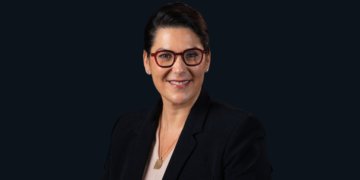
Diouf serves as head of mission in Senegal for the Centre for Humanitarian Dialogue, a Geneva-based mediation organization.

Since 2016, she has led its engagement in the Casamance peace process between the Senegalese government and the Movement of Democratic Forces of Casamance, helping guide structured dialogue in one of West Africa’s longest-running conflicts.

Her career in mediation and governance spans more than two decades.

Her work in the Democratic Republic of Congo, Liberia and Burundi has included supporting governance initiatives, organizing conflict-transformation workshops and strengthening negotiation skills among political and civil actors.

Across those contexts, she has observed a consistent pattern. “Those who carry the deepest social and economic consequences of violence are often underrepresented in formal negotiations,” Diouf said.

Women in many conflict settings face heightened risks of sexual and gender-based violence, displacement and economic hardship.

Armed groups sometimes use such violence deliberately to destabilize communities and fracture social cohesion. But women’s voices often remain absent when ceasefires are negotiated and recovery frameworks designed.

“When women are fully included in negotiations, the agenda changes,” Diouf said.
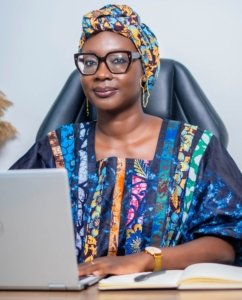
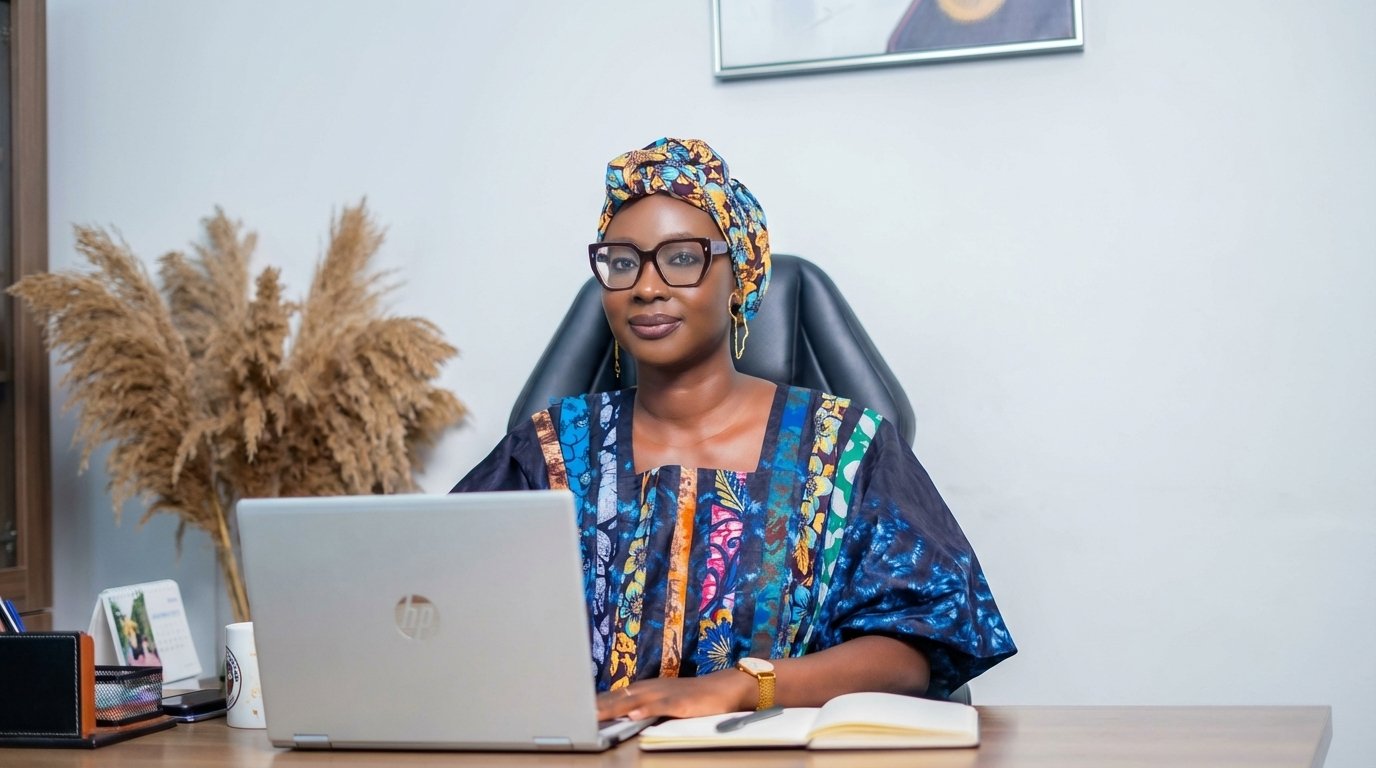
Mame Khady Diouf

Their participation often brings greater attention to protection, humanitarian access and the needs of families and displaced populations, she said.

Mediation spaces remain largely dominated by men, particularly when negotiations involve political or military actors.

Diouf says she encountered that dynamic early in her career.

“At the beginning of my role as a mediator, I was not always perceived as competent or capable of leading a mediation process,” she said. “In many conflict settings, leadership in mediation is still often associated with men, and women therefore have to prove their legitimacy repeatedly before their expertise is fully recognized.”

Trust developed gradually through preparation, patience and persistence. Listening closely and building relationships helped her gain the confidence of stakeholders.

“It has not always been an easy journey,” she said. “But I consider myself a resilient person and I do not give up easily.”

In some mediation processes, she has been the only woman in the room. That experience has reinforced her awareness of how much work remains before inclusion becomes standard practice in peace negotiations.

Achieving inclusive peace processes requires more than goodwill, she said. It requires sustained institutional commitment.

Global recognition of women’s role in peacebuilding has grown in recent decades, but representation at senior mediation levels remains limited.

In negotiations led or supported by institutions such as the United Nations, the African Union and regional organizations including ECOWAS, women still represent a small share of mediators. Diouf estimates the figure remains below 15 percent in many processes.

“This level of underrepresentation is difficult to justify,” she said. “It highlights the need for stronger commitment and concrete measures.”

Inclusion Beyond Symbolism

“Inclusive negotiation strengthens legitimacy, deepens trust and makes peace more sustainable,” she said.

Her work now focuses on building mediation processes that can withstand political changes and social pressures.

Advising dialogue processes, strengthening institutional coordination and promoting disciplined fairness in negotiations remain central to that effort.

Conflicts across parts of Africa continue to evolve, and mediation efforts increasingly must connect local realities with national politics.

Peace processes, Diouf said, must include those most affected by violence.

She believes the future of peace negotiations will depend on who is included at the table and whether institutions are willing to open the process to more voices.

“When women are meaningfully included in negotiations, the agenda, the dynamics and the outcomes tend to change, and peace agreements are more likely to last,” she said.

Diouf plans to remain engaged in continental discussions on mediation ethics and inclusive dialogue.

Peace negotiations, Diouf said, must reflect the lived realities of the communities they are meant to serve, especially women who are too often left outside the room.

Get the inside Story

Stay informed on the stories shaping Africa’s future. Get breaking news, in-depth analysis, opinions and exclusive insights from across the continent delivered to your inbox, free and unfiltered.


Get in touch for more:
Felix Tih
Editorial Director, Bantu Gazette
WhatsApp
LinkedIn
X (Twitter)
Instagram

Related Posts

Nigeria’s Tinubu Hails Economic Growth After 2025 Gains, Tax Reforms
Politics & Economy

Nigeria Records 4.07% GDP Growth in Q4 2025 as Reforms Boost Key Sectors

March 3, 2026
Ethiopia Marks 130 Years of Adwa Victory as Symbol of African Sovereignty
Politics & Economy

Ethiopia Marks 130 Years of Adwa Victory as Symbol of African Sovereignty

March 2, 2026
DR Congo Launches Survey to Advance Gender Parity Reforms
Politics & Economy

DR Congo Launches Survey to Advance Gender Parity Reforms

February 27, 2026
Senegal Police Strengthen Gender Inclusion in Security Sector
Politics & Economy

Senegal Police Strengthen Gender Inclusion in Security Sector

March 4, 2026
Ghana Reports Fiscal Gains as Debt Falls and Inflation Eases
Politics & Economy

Ghana Reports Fiscal Gains as Debt Falls and Inflation Eases

March 4, 2026
Cameroon Cocoa Wins Gold at Global Quality Awards
Politics & Economy

Cameroon Cocoa Wins Gold at Global Quality Awards

February 23, 2026

Most Recent

Mame Khady Diouf: A Rising Force in Peace Negotiations and Mediation
Politics & Economy

Mame Khady Diouf: A Rising Force in Peace Negotiations and Mediation

by Felix Tih
March 8, 2026
0

In many high-level peace negotiations across Africa, those most affected by conflict are absent from the room. Women, who often...

Read moreDetails
At 24, an Ethiopian Woman Preserves a 1,000-Year-Old Manuscript Tradition

At 24, an Ethiopian Woman Preserves a 1,000-Year-Old Manuscript Tradition

March 8, 2026
In Kigali, Delphine Kamasiga’s Pottery Café Helps Artisans Reach New Markets

In Kigali, Delphine Kamasiga’s Pottery Café Helps Artisans Reach New Markets

March 8, 2026
Kenya Assesses Early Childhood Development in National Health Survey

Kenya Assesses Early Childhood Development in National Health Survey

March 6, 2026
Africa’s Water Towers Under Threat as the Globe Marks World Water Day

Experts Urge Domestic Capital Push to Close Africa’s $50 Billion Water Gap

March 5, 2026
Nigeria’s Tinubu Hails Economic Growth After 2025 Gains, Tax Reforms

Nigeria Records 4.07% GDP Growth in Q4 2025 as Reforms Boost Key Sectors

March 3, 2026
Ethiopia Marks 130 Years of Adwa Victory as Symbol of African Sovereignty

Ethiopia Marks 130 Years of Adwa Victory as Symbol of African Sovereignty

March 2, 2026
Mame Khady Diouf: A Rising Force in Peace Negotiations and Mediation
Politics & Economy

Mame Khady Diouf: A Rising Force in Peace Negotiations and Mediation

by Felix Tih
Reading Time: 3 mins read
March 8, 2026
0

In many high-level peace negotiations across Africa, those most affected by conflict are absent from the room. Women, who often...

Read moreDetails
At 24, an Ethiopian Woman Preserves a 1,000-Year-Old Manuscript Tradition
Feature

At 24, an Ethiopian Woman Preserves a 1,000-Year-Old Manuscript Tradition

by Abel Gorfu Asefa
Reading Time: 4 mins read
March 8, 2026
0

She stretches goat skin across wooden frames and scrapes it clean with steel blades, enduring the smell, the flies and...

Read moreDetails
In Kigali, Delphine Kamasiga’s Pottery Café Helps Artisans Reach New Markets
Feature

In Kigali, Delphine Kamasiga’s Pottery Café Helps Artisans Reach New Markets

by Felix Tih
Reading Time: 3 mins read
March 8, 2026
0

On a quiet morning in Kigali, the steady rhythm of spinning pottery wheels fills a small creative centre as visitors...

Read moreDetails

Mame Khady Diouf: A Rising Force in Peace Negotiations and Mediation

Drawing on decades of mediation work, the Senegalese mediator advocates for greater inclusion of women in peace negotiations and mediation, saying processes remain incomplete without them at the table.

Mame Khady Diouf: A Rising Force in Peace Negotiations and Mediation

mame khady diouf

In many high-level peace negotiations across Africa, those most affected by conflict are absent from the room. Women, who often bear the heaviest social and economic costs of war, rarely sit at the negotiating table.

Bridging that gap has shaped the work of Senegalese mediator Mame Khady Diouf.

“Conflict affects women and girls differently because of social roles, gender inequalities and vulnerabilities that become more pronounced during crises,” Diouf said in a recent interview with Bantu Gazette.

“Women and girls often bear the brunt of conflict, yet their experiences and perspectives are not always adequately considered,” she said.

Diouf serves as head of mission in Senegal for the Centre for Humanitarian Dialogue, a Geneva-based mediation organization.

Since 2016, she has led its engagement in the Casamance peace process between the Senegalese government and the Movement of Democratic Forces of Casamance, helping guide structured dialogue in one of West Africa’s longest-running conflicts.

Her career in mediation and governance spans more than two decades.

Her work in the Democratic Republic of Congo, Liberia and Burundi has included supporting governance initiatives, organizing conflict-transformation workshops and strengthening negotiation skills among political and civil actors.

Across those contexts, she has observed a consistent pattern. “Those who carry the deepest social and economic consequences of violence are often underrepresented in formal negotiations,” Diouf said.

Women in many conflict settings face heightened risks of sexual and gender-based violence, displacement and economic hardship.

Armed groups sometimes use such violence deliberately to destabilize communities and fracture social cohesion. But women’s voices often remain absent when ceasefires are negotiated and recovery frameworks designed.

“When women are fully included in negotiations, the agenda changes,” Diouf said.

Mame Khady Diouf

Their participation often brings greater attention to protection, humanitarian access and the needs of families and displaced populations, she said.

Mediation spaces remain largely dominated by men, particularly when negotiations involve political or military actors.

Diouf says she encountered that dynamic early in her career.

“At the beginning of my role as a mediator, I was not always perceived as competent or capable of leading a mediation process,” she said. “In many conflict settings, leadership in mediation is still often associated with men, and women therefore have to prove their legitimacy repeatedly before their expertise is fully recognized.”

Trust developed gradually through preparation, patience and persistence. Listening closely and building relationships helped her gain the confidence of stakeholders.

“It has not always been an easy journey,” she said. “But I consider myself a resilient person and I do not give up easily.”

In some mediation processes, she has been the only woman in the room. That experience has reinforced her awareness of how much work remains before inclusion becomes standard practice in peace negotiations.

Achieving inclusive peace processes requires more than goodwill, she said. It requires sustained institutional commitment.

Global recognition of women’s role in peacebuilding has grown in recent decades, but representation at senior mediation levels remains limited.

In negotiations led or supported by institutions such as the United Nations, the African Union and regional organizations including ECOWAS, women still represent a small share of mediators. Diouf estimates the figure remains below 15 percent in many processes.

“This level of underrepresentation is difficult to justify,” she said. “It highlights the need for stronger commitment and concrete measures.”

Inclusion Beyond Symbolism

“Inclusive negotiation strengthens legitimacy, deepens trust and makes peace more sustainable,” she said.

Her work now focuses on building mediation processes that can withstand political changes and social pressures.

Advising dialogue processes, strengthening institutional coordination and promoting disciplined fairness in negotiations remain central to that effort.

Conflicts across parts of Africa continue to evolve, and mediation efforts increasingly must connect local realities with national politics.

Peace processes, Diouf said, must include those most affected by violence.

She believes the future of peace negotiations will depend on who is included at the table and whether institutions are willing to open the process to more voices.

“When women are meaningfully included in negotiations, the agenda, the dynamics and the outcomes tend to change, and peace agreements are more likely to last,” she said.

Diouf plans to remain engaged in continental discussions on mediation ethics and inclusive dialogue.

Peace negotiations, Diouf said, must reflect the lived realities of the communities they are meant to serve, especially women who are too often left outside the room.
Mame Khady Diouf: A Rising Force in Peace Negotiations and Mediation

Drawing on decades of mediation work, the Senegalese mediator advocates for greater inclusion of women in peace negotiations and mediation, saying processes remain incomplete without them at the table.

Mame Khady Diouf: A Rising Force in Peace Negotiations and Mediation

mame khady diouf

Felix Tihby Felix Tih
March 8, 2026

In many high-level peace negotiations across Africa, those most affected by conflict are absent from the room. Women, who often bear the heaviest social and economic costs of war, rarely sit at the negotiating table.

Bridging that gap has shaped the work of Senegalese mediator Mame Khady Diouf.

“Conflict affects women and girls differently because of social roles, gender inequalities and vulnerabilities that become more pronounced during crises,” Diouf said in a recent interview with Bantu Gazette.

“Women and girls often bear the brunt of conflict, yet their experiences and perspectives are not always adequately considered,” she said.

Diouf serves as head of mission in Senegal for the Centre for Humanitarian Dialogue, a Geneva-based mediation organization.

Since 2016, she has led its engagement in the Casamance peace process between the Senegalese government and the Movement of Democratic Forces of Casamance, helping guide structured dialogue in one of West Africa’s longest-running conflicts.

Her career in mediation and governance spans more than two decades.

Her work in the Democratic Republic of Congo, Liberia and Burundi has included supporting governance initiatives, organizing conflict-transformation workshops and strengthening negotiation skills among political and civil actors.

Across those contexts, she has observed a consistent pattern. “Those who carry the deepest social and economic consequences of violence are often underrepresented in formal negotiations,” Diouf said.

Women in many conflict settings face heightened risks of sexual and gender-based violence, displacement and economic hardship.

Armed groups sometimes use such violence deliberately to destabilize communities and fracture social cohesion. But women’s voices often remain absent when ceasefires are negotiated and recovery frameworks designed.

“When women are fully included in negotiations, the agenda changes,” Diouf said.

Mame Khady Diouf

Their participation often brings greater attention to protection, humanitarian access and the needs of families and displaced populations, she said.

Mediation spaces remain largely dominated by men, particularly when negotiations involve political or military actors.

Diouf says she encountered that dynamic early in her career.

“At the beginning of my role as a mediator, I was not always perceived as competent or capable of leading a mediation process,” she said. “In many conflict settings, leadership in mediation is still often associated with men, and women therefore have to prove their legitimacy repeatedly before their expertise is fully recognized.”

Trust developed gradually through preparation, patience and persistence. Listening closely and building relationships helped her gain the confidence of stakeholders.

“It has not always been an easy journey,” she said. “But I consider myself a resilient person and I do not give up easily.”

In some mediation processes, she has been the only woman in the room. That experience has reinforced her awareness of how much work remains before inclusion becomes standard practice in peace negotiations.

Achieving inclusive peace processes requires more than goodwill, she said. It requires sustained institutional commitment.

Global recognition of women’s role in peacebuilding has grown in recent decades, but representation at senior mediation levels remains limited.

In negotiations led or supported by institutions such as the United Nations, the African Union and regional organizations including ECOWAS, women still represent a small share of mediators. Diouf estimates the figure remains below 15 percent in many processes.

“This level of underrepresentation is difficult to justify,” she said. “It highlights the need for stronger commitment and concrete measures.”

Inclusion Beyond Symbolism

“Inclusive negotiation strengthens legitimacy, deepens trust and makes peace more sustainable,” she said.

Her work now focuses on building mediation processes that can withstand political changes and social pressures.

Advising dialogue processes, strengthening institutional coordination and promoting disciplined fairness in negotiations remain central to that effort.

Conflicts across parts of Africa continue to evolve, and mediation efforts increasingly must connect local realities with national politics.

Peace processes, Diouf said, must include those most affected by violence.

She believes the future of peace negotiations will depend on who is included at the table and whether institutions are willing to open the process to more voices.

“When women are meaningfully included in negotiations, the agenda, the dynamics and the outcomes tend to change, and peace agreements are more likely to last,” she said.

Diouf plans to remain engaged in continental discussions on mediation ethics and inclusive dialogue.

Peace negotiations, Diouf said, must reflect the lived realities of the communities they are meant to serve, especially women who are too often left outside the room.
Get the inside Story

Stay informed on the stories shaping Africa’s future. Get breaking news, in-depth analysis, opinions and exclusive insights from across the continent delivered to your inbox, free and unfiltered.


Get in touch for more:
Felix Tih
Editorial Director, Bantu Gazette
WhatsApp
LinkedIn
X (Twitter)
Instagram

Related Posts

Nigeria’s Tinubu Hails Economic Growth After 2025 Gains, Tax Reforms

Nigeria Records 4.07% GDP Growth in Q4 2025 as Reforms Boost Key Sectors

by Elise Ntebah
March 3, 2026
0

...

Ethiopia Marks 130 Years of Adwa Victory as Symbol of African Sovereignty

Ethiopia Marks 130 Years of Adwa Victory as Symbol of African Sovereignty

by Felix Tih
March 2, 2026
0

...

DR Congo Launches Survey to Advance Gender Parity Reforms

DR Congo Launches Survey to Advance Gender Parity Reforms

by Elise Ntebah
February 27, 2026
0

...

Senegal Police Strengthen Gender Inclusion in Security Sector

Senegal Police Strengthen Gender Inclusion in Security Sector

by Aissatou Fall
February 27, 2026
0

...

Ghana Reports Fiscal Gains as Debt Falls and Inflation Eases

Ghana Reports Fiscal Gains as Debt Falls and Inflation Eases

by Aissatou Fall
February 24, 2026
0

...

Cameroon Cocoa Wins Gold at Global Quality Awards

Cameroon Cocoa Wins Gold at Global Quality Awards

by Nora Tabe
February 23, 2026
0

...

Mame Khady Diouf: A Rising Force in Peace Negotiations and Mediation
Politics & Economy

Mame Khady Diouf: A Rising Force in Peace Negotiations and Mediation

by Felix Tih
Reading Time: 3 mins read
March 8, 2026
0

In many high-level peace negotiations across Africa, those most affected by conflict are absent from the room. Women, who often...

Read moreDetails
At 24, an Ethiopian Woman Preserves a 1,000-Year-Old Manuscript Tradition

At 24, an Ethiopian Woman Preserves a 1,000-Year-Old Manuscript Tradition

by Abel Gorfu Asefa
March 8, 2026
0

She stretches goat skin across wooden frames and scrapes it clean with steel blades, enduring the smell, the flies and...

In Kigali, Delphine Kamasiga’s Pottery Café Helps Artisans Reach New Markets

In Kigali, Delphine Kamasiga’s Pottery Café Helps Artisans Reach New Markets

by Felix Tih
March 8, 2026
0

On a quiet morning in Kigali, the steady rhythm of spinning pottery wheels fills a small creative centre as visitors...

Kenya Assesses Early Childhood Development in National Health Survey

Kenya Assesses Early Childhood Development in National Health Survey

by Jane Mukami
March 6, 2026
0

Kenya has measured early childhood development in a national health survey for the first time, integrating global assessment tools that...

Africa’s Water Towers Under Threat as the Globe Marks World Water Day

Experts Urge Domestic Capital Push to Close Africa’s $50 Billion Water Gap

by Felix Tih
March 5, 2026
0

Facing an annual water and sanitation financing gap of up to $50 billion, African development experts are calling for a...

Bantu Gazette is a pioneering news platform that champions Africa's development, culture, and heritage. We spotlight the continent's successes, address its challenges, and provide insightful coverage of events that shape its future.

Bantu Gazette is a pioneering news platform that champions Africa's development, culture, and heritage. We spotlight the continent's successes, address its challenges, and provide insightful coverage of events that shape its future.

Our Platforms

  • Bantu Magazine
  • Bantu Brief
  • Black Frame Studio

Our Services

  • Bantu Agency
  • Advertise
  • Partnerships

Our Services

  • Editorial Director
  • Opportunities
  • Contact

Bantu Gazette is a pioneering news platform that champions Africa's development, culture, and heritage. We spotlight the continent's successes, address its challenges, and provide insightful coverage of events that shape its future.

Our Platforms

  • Bantu Magazine
  • Bantu Brief
  • Black Frame Studio

Our Services

  • Bantu Agency
  • Advertise
  • Partnerships

Our Services

  • Editorial Director
  • Opportunities
  • Contact
Bantu Gazette
  • Energy & Trade
  • Finance
  • Health
  • Politics & Economy
  • Technology
  • Environment
  • Feature
  • Opinion
  • Changemakers
  • Tourism & Culture
  • Magazine