
Bantu Gazette

Bantu Gazette
  • Energy & Trade
  • Finance
  • Health
  • Politics & Economy
  • Technology
  • Environment
  • Feature
  • Opinion
  • Changemakers
  • Tourism & Culture
  • Magazine
Menu
  • Black Frame Studio
  • Magazine

Beyond the Broken Promise of Education

Beyond the Broken Promise of Education

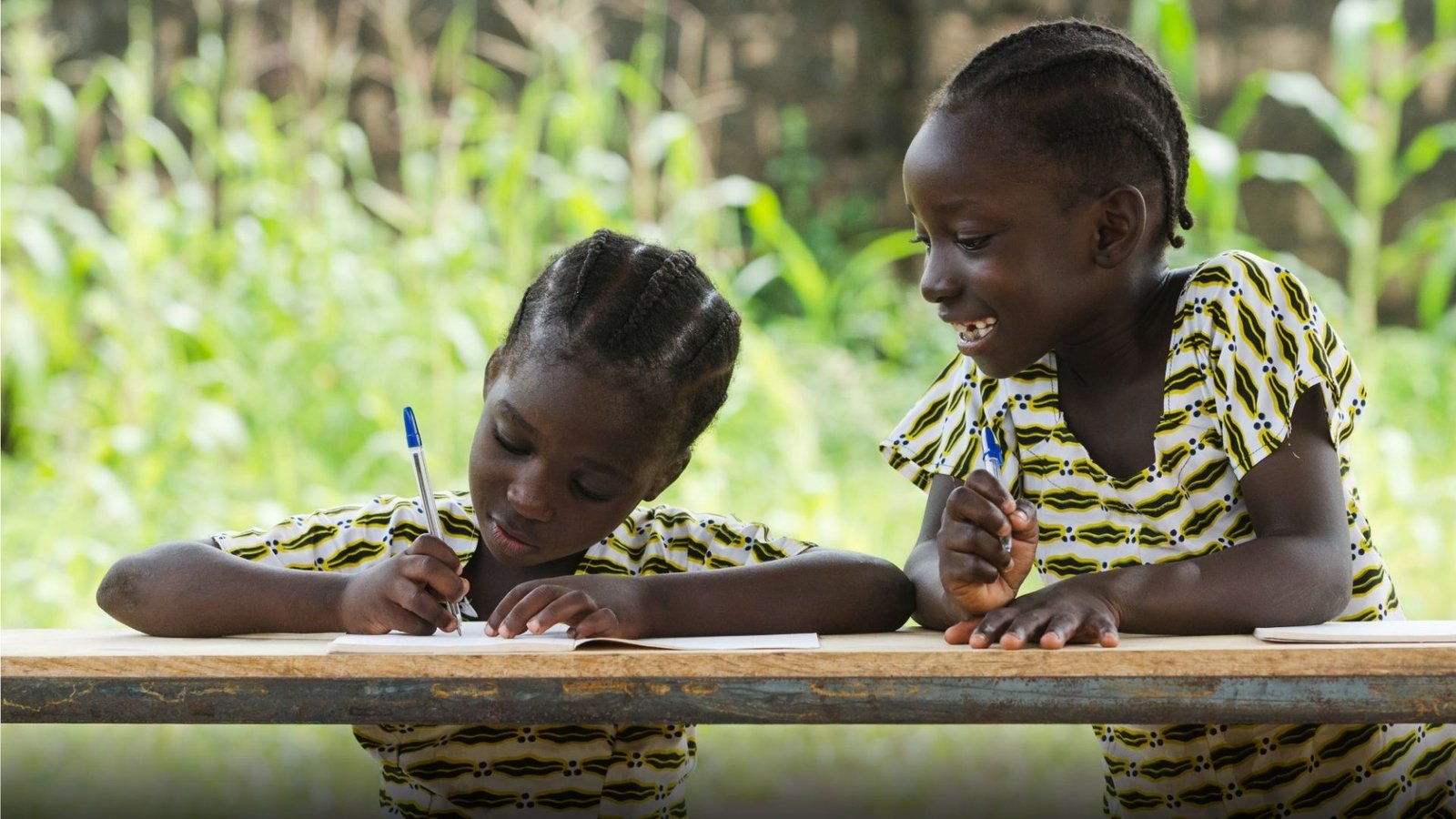
Schoolgirls in Bamako, Mali. Photo by Borgogniels.

Bappa Elianeby Bappa Eliane
May 5, 2025
Reading Time: 3 mins read

Beyond the Broken Promise of Education

Beyond the Broken Promise of Education

Schoolgirls in Bamako, Mali. Photo by Borgogniels.

Beyond the Broken Promise of Education

Schoolgirls in Bamako, Mali. Photo by Borgogniels.

Bappa Elianeby Bappa Eliane
August 5, 2025
Reading Time: 3 mins read

Reflecting on my school days, I was an average student whose parents, immigrants from French-speaking Cameroon, enrolled my siblings and me in school with specific expectations. They wanted us to learn English, earn our diplomas, and secure decent jobs. Our teachers reinforced this narrative, calling our diplomas “a secure passport” to prosperity. I believed them completely.

Today, despite my academic achievements, I find myself working below my qualifications. This reality affects countless young Africans across the continent. We studied hard and harbored dreams of fulfilling careers, only to face limited opportunities upon graduation. The gap between education and employment stems from multiple factors including favoritism, nepotism, tribalism, volatile job markets, and the persistent aftershocks of global disruptions.

These contradictions haunted me until literature provided clarity. The Sun of Independence reflected my post-graduation disillusionment, while the late Ngũgĩ wa Thiong’o’s Decolonising the Mind cut deeper, exposing how colonization infiltrated our language, thoughts, and self-perception. These works inform me and helped me understand something I had long felt but struggled to name.

This remains deeply personal for me. I am still trying to understand what was taken from us, to reclaim what was pushed aside, and to rebuild with what remains.

Born Before Her Time evokes memories of my elder sisters and the constraints they faced. They were denied the right to think independently or make life choices. Many girls in their generation were married by age ten, their futures confined to domestic roles.

That world is shifting. New ideas are taking root, and I hold onto persistent hope. Today, I declare with certainty, “I will marry when I want.” I carry the voices of those who came before me while walking a path that refuses silence.

I do not accept that “the beautiful ones are not yet born.” I see them everywhere around me. They are my ambitious, determined peers, the young women quietly reshaping their circumstances on their own terms.

History remains close to us. The wounds, the theft of dignity, the systematic attempts to erase our sense of self continue to shape our collective experience. “Two thousand seasons” tell of endurance. There is more to who we are.

Colonialism attempted to strip away identity, perpetuating the lie that being African meant being lesser, that we had no meaningful past. Frantz Fanon challenged this narrative, demonstrating that race is social construction rather than biological truth. Building on Sartre’s philosophy of freedom, Fanon showed that while our stories influence our lives, they do not predetermine our destiny. The past informs us without imprisoning us.

We may lack every detail of pre-colonial centuries, but what we do know matters profoundly. Long before European contact, African cultures thrived. This truth offers more than comfort. It provides strength and connects us to our ancestors’ resilience.

Healing requires confronting uncomfortable truths that resist simple answers. Change means standing in the presence of pain, learning from it, and moving forward with determination.

We have no reason to carry shame about our past. We have a responsibility to shape what comes next.

Writers, artists, and thinkers across the continent must tell fuller versions of our story. Africa never colonized others, never imposed its language or culture on foreign lands. Even after centuries of disruption, our traditions, languages, and beliefs survive. The scars are real, and so is what endures.

Colonization scattered and divided communities, but it could not break our essential spirit. Our languages live on in pidgin English, in Camfranglais, in the expressions born from challenge and creativity.

The promise of education may have proven incomplete, but it was not entirely false. Education equipped us with tools to understand our situation and articulate our experience. The problem was not learning itself but the narrow vision of what that learning should achieve.

Reclaiming Our Narrative

Today’s young Africans are redefining success, creating opportunities where none existed, and building futures that honor both tradition and innovation. We are writing new stories that acknowledge historical wounds while celebrating enduring strength.

We were. We are. And we remain invictus.
We are Africa.


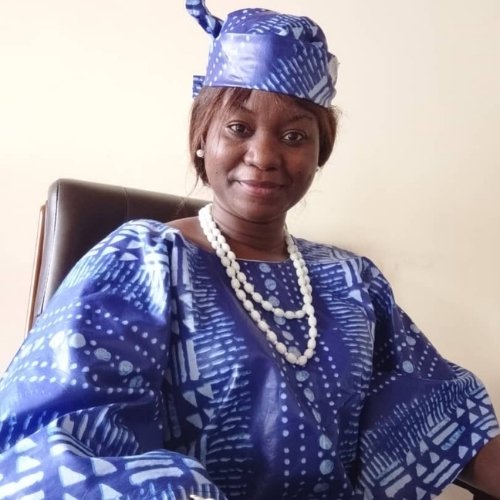
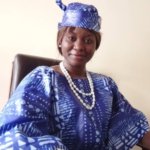
Bappa Eliane


Bappa Eliane
is a global education ambassador, strategic communications, public relations and outreach professional.

Get the inside Story

Stay informed on the stories shaping Africa’s future. Get breaking news, in-depth analysis, opinions and exclusive insights from across the continent delivered to your inbox, free and unfiltered.


Related Posts

Ethiopia’s Amhara Peace Pact Reflects a Broader Shift
Opinion

Ethiopia’s Amhara Peace Pact Reflects a Broader Shift

December 10, 2025
Ballots and Diversity: Electoral Power in a Changing Africa
Opinion

Ballots and Diversity: Electoral Power in a Changing Africa

December 7, 2025
Ghana’s Cedi Rally Shows Path Forward for Emerging Markets
Opinion

Ghana’s Cedi Rally Shows Path Forward for Emerging Markets

August 5, 2025
Women's Fight for Equity in Africa's Energy Sector
Opinion

Women’s Fight for Equity in Africa’s Energy Sector

August 25, 2025
Coding Our Own Future Ending digital dependency starts with mental sovereignty - Bantu Gazette
Opinion

Coding Our Own Future: Ending digital dependency starts with mental sovereignty

August 4, 2025
Young Innovators Are Ready : What it will take to scale youth-led solutions across the continent
Opinion

The Weight of Success: How Africa’s Trade Future Can Break Family Cycles

August 5, 2025

Most Recent

Kenya Appoints Young Tree Activist as Conservation Envoy
Environment

Kenya Appoints Young Tree Activist as Conservation Envoy

by Jane Mukami
December 16, 2025
0

President William Ruto on Monday appointed 22-year-old Truphena Muthoni as an ambassador for Kenya’s 15 Billion Tree Planting Campaign, recognizing...

Read moreDetails
Dangote Commits $688 Million to Support Education in Nigeria

Dangote Commits $688 Million to Support Education in Nigeria

December 14, 2025
Diana Orembe Wins Africa’s Business Heroes 2025 Top Prize

Diana Orembe Wins Africa’s Business Heroes 2025 Top Prize

December 13, 2025
West Africa to Cut Air Travel Costs from 2026

West Africa to Cut Air Travel Costs from 2026

December 10, 2025
Namibia Secures $10 Million for Green Hydrogen Project

Namibia Secures $10 Million for Green Hydrogen Project

December 10, 2025
Senegal Approves Payment for African Energy Bank

Senegal Approves Payment for African Energy Bank

December 14, 2025
African Trade Bloc Expands Digital, Legal Tools to Boost Integration

African Trade Bloc Expands Digital, Legal Tools to Boost Integration

December 10, 2025
Kenya Appoints Young Tree Activist as Conservation Envoy
Environment

Kenya Appoints Young Tree Activist as Conservation Envoy

by Jane Mukami
Reading Time: 1 mins read
December 16, 2025
0

President William Ruto on Monday appointed 22-year-old Truphena Muthoni as an ambassador for Kenya’s 15 Billion Tree Planting Campaign, recognizing...

Read moreDetails
Dangote Commits $688 Million to Support Education in Nigeria
Politics & Economy

Dangote Commits $688 Million to Support Education in Nigeria

by Aissatou Fall
Reading Time: 1 mins read
December 14, 2025
0

Africa’s richest man, Aliko Dangote, has pledged ₦1 trillion ($688 million) to fund education across Nigeria over the next decade,...

Read moreDetails
Diana Orembe Wins Africa’s Business Heroes 2025 Top Prize
Finance

Diana Orembe Wins Africa’s Business Heroes 2025 Top Prize

by Jane Mukami
Reading Time: 1 mins read
December 13, 2025
0

Diana Orembe, co-founder of Tanzania-based biotech startup NovFeed, has won the 7th edition of the Africa’s Business Heroes (ABH) Prize...

Read moreDetails

Beyond the Broken Promise of Education

Beyond the Broken Promise of Education

Schoolgirls in Bamako, Mali. Photo by Borgogniels.

Reflecting on my school days, I was an average student whose parents, immigrants from French-speaking Cameroon, enrolled my siblings and me in school with specific expectations. They wanted us to learn English, earn our diplomas, and secure decent jobs. Our teachers reinforced this narrative, calling our diplomas “a secure passport” to prosperity. I believed them completely.

Today, despite my academic achievements, I find myself working below my qualifications. This reality affects countless young Africans across the continent. We studied hard and harbored dreams of fulfilling careers, only to face limited opportunities upon graduation. The gap between education and employment stems from multiple factors including favoritism, nepotism, tribalism, volatile job markets, and the persistent aftershocks of global disruptions.

These contradictions haunted me until literature provided clarity. The Sun of Independence reflected my post-graduation disillusionment, while the late Ngũgĩ wa Thiong’o’s Decolonising the Mind cut deeper, exposing how colonization infiltrated our language, thoughts, and self-perception. These works inform me and helped me understand something I had long felt but struggled to name.

This remains deeply personal for me. I am still trying to understand what was taken from us, to reclaim what was pushed aside, and to rebuild with what remains.

Born Before Her Time evokes memories of my elder sisters and the constraints they faced. They were denied the right to think independently or make life choices. Many girls in their generation were married by age ten, their futures confined to domestic roles.

That world is shifting. New ideas are taking root, and I hold onto persistent hope. Today, I declare with certainty, “I will marry when I want.” I carry the voices of those who came before me while walking a path that refuses silence.

I do not accept that “the beautiful ones are not yet born.” I see them everywhere around me. They are my ambitious, determined peers, the young women quietly reshaping their circumstances on their own terms.

History remains close to us. The wounds, the theft of dignity, the systematic attempts to erase our sense of self continue to shape our collective experience. “Two thousand seasons” tell of endurance. There is more to who we are.

Colonialism attempted to strip away identity, perpetuating the lie that being African meant being lesser, that we had no meaningful past. Frantz Fanon challenged this narrative, demonstrating that race is social construction rather than biological truth. Building on Sartre’s philosophy of freedom, Fanon showed that while our stories influence our lives, they do not predetermine our destiny. The past informs us without imprisoning us.

We may lack every detail of pre-colonial centuries, but what we do know matters profoundly. Long before European contact, African cultures thrived. This truth offers more than comfort. It provides strength and connects us to our ancestors’ resilience.

Healing requires confronting uncomfortable truths that resist simple answers. Change means standing in the presence of pain, learning from it, and moving forward with determination.

We have no reason to carry shame about our past. We have a responsibility to shape what comes next.

Writers, artists, and thinkers across the continent must tell fuller versions of our story. Africa never colonized others, never imposed its language or culture on foreign lands. Even after centuries of disruption, our traditions, languages, and beliefs survive. The scars are real, and so is what endures.

Colonization scattered and divided communities, but it could not break our essential spirit. Our languages live on in pidgin English, in Camfranglais, in the expressions born from challenge and creativity.

The promise of education may have proven incomplete, but it was not entirely false. Education equipped us with tools to understand our situation and articulate our experience. The problem was not learning itself but the narrow vision of what that learning should achieve.

Reclaiming Our Narrative

Today’s young Africans are redefining success, creating opportunities where none existed, and building futures that honor both tradition and innovation. We are writing new stories that acknowledge historical wounds while celebrating enduring strength.

We were. We are. And we remain invictus.
We are Africa.


Bappa Eliane


Bappa Eliane
is a global education ambassador, strategic communications, public relations and outreach professional.

Beyond the Broken Promise of Education

Beyond the Broken Promise of Education

Schoolgirls in Bamako, Mali. Photo by Borgogniels.

Bappa Elianeby Bappa Eliane
May 5, 2025

Reflecting on my school days, I was an average student whose parents, immigrants from French-speaking Cameroon, enrolled my siblings and me in school with specific expectations. They wanted us to learn English, earn our diplomas, and secure decent jobs. Our teachers reinforced this narrative, calling our diplomas “a secure passport” to prosperity. I believed them completely.

Today, despite my academic achievements, I find myself working below my qualifications. This reality affects countless young Africans across the continent. We studied hard and harbored dreams of fulfilling careers, only to face limited opportunities upon graduation. The gap between education and employment stems from multiple factors including favoritism, nepotism, tribalism, volatile job markets, and the persistent aftershocks of global disruptions.

These contradictions haunted me until literature provided clarity. The Sun of Independence reflected my post-graduation disillusionment, while the late Ngũgĩ wa Thiong’o’s Decolonising the Mind cut deeper, exposing how colonization infiltrated our language, thoughts, and self-perception. These works inform me and helped me understand something I had long felt but struggled to name.

This remains deeply personal for me. I am still trying to understand what was taken from us, to reclaim what was pushed aside, and to rebuild with what remains.

Born Before Her Time evokes memories of my elder sisters and the constraints they faced. They were denied the right to think independently or make life choices. Many girls in their generation were married by age ten, their futures confined to domestic roles.

That world is shifting. New ideas are taking root, and I hold onto persistent hope. Today, I declare with certainty, “I will marry when I want.” I carry the voices of those who came before me while walking a path that refuses silence.

I do not accept that “the beautiful ones are not yet born.” I see them everywhere around me. They are my ambitious, determined peers, the young women quietly reshaping their circumstances on their own terms.

History remains close to us. The wounds, the theft of dignity, the systematic attempts to erase our sense of self continue to shape our collective experience. “Two thousand seasons” tell of endurance. There is more to who we are.

Colonialism attempted to strip away identity, perpetuating the lie that being African meant being lesser, that we had no meaningful past. Frantz Fanon challenged this narrative, demonstrating that race is social construction rather than biological truth. Building on Sartre’s philosophy of freedom, Fanon showed that while our stories influence our lives, they do not predetermine our destiny. The past informs us without imprisoning us.

We may lack every detail of pre-colonial centuries, but what we do know matters profoundly. Long before European contact, African cultures thrived. This truth offers more than comfort. It provides strength and connects us to our ancestors’ resilience.

Healing requires confronting uncomfortable truths that resist simple answers. Change means standing in the presence of pain, learning from it, and moving forward with determination.

We have no reason to carry shame about our past. We have a responsibility to shape what comes next.

Writers, artists, and thinkers across the continent must tell fuller versions of our story. Africa never colonized others, never imposed its language or culture on foreign lands. Even after centuries of disruption, our traditions, languages, and beliefs survive. The scars are real, and so is what endures.

Colonization scattered and divided communities, but it could not break our essential spirit. Our languages live on in pidgin English, in Camfranglais, in the expressions born from challenge and creativity.

The promise of education may have proven incomplete, but it was not entirely false. Education equipped us with tools to understand our situation and articulate our experience. The problem was not learning itself but the narrow vision of what that learning should achieve.

Reclaiming Our Narrative

Today’s young Africans are redefining success, creating opportunities where none existed, and building futures that honor both tradition and innovation. We are writing new stories that acknowledge historical wounds while celebrating enduring strength.

We were. We are. And we remain invictus.
We are Africa.


Bappa Eliane


Bappa Eliane
is a global education ambassador, strategic communications, public relations and outreach professional.

Get the inside Story

Stay informed on the stories shaping Africa’s future. Get breaking news, in-depth analysis, opinions and exclusive insights from across the continent delivered to your inbox, free and unfiltered.


Related Posts

Ethiopia’s Amhara Peace Pact Reflects a Broader Shift

Ethiopia’s Amhara Peace Pact Reflects a Broader Shift

by Felix Tih
December 7, 2025
0

...

Ballots and Diversity: Electoral Power in a Changing Africa

Ballots and Diversity: Electoral Power in a Changing Africa

by Vitalis Manjong
September 23, 2025
0

...

Ghana’s Cedi Rally Shows Path Forward for Emerging Markets

Ghana’s Cedi Rally Shows Path Forward for Emerging Markets

by Godfred Nana Yaw Amoako
June 30, 2025
0

...

Women's Fight for Equity in Africa's Energy Sector

Women’s Fight for Equity in Africa’s Energy Sector

by Lydia Kapangila
May 5, 2025
0

...

Coding Our Own Future Ending digital dependency starts with mental sovereignty - Bantu Gazette

Coding Our Own Future: Ending digital dependency starts with mental sovereignty

by Angella Ndaka PhD
April 19, 2025
0

...

Young Innovators Are Ready : What it will take to scale youth-led solutions across the continent

The Weight of Success: How Africa’s Trade Future Can Break Family Cycles

by Nwokedi Ifeanyi Joseph
April 19, 2025
0

...

Kenya Appoints Young Tree Activist as Conservation Envoy
Environment

Kenya Appoints Young Tree Activist as Conservation Envoy

by Jane Mukami
Reading Time: 1 mins read
December 16, 2025
0

President William Ruto on Monday appointed 22-year-old Truphena Muthoni as an ambassador for Kenya’s 15 Billion Tree Planting Campaign, recognizing...

Read moreDetails
Dangote Commits $688 Million to Support Education in Nigeria

Dangote Commits $688 Million to Support Education in Nigeria

by Aissatou Fall
December 14, 2025
0

Africa’s richest man, Aliko Dangote, has pledged ₦1 trillion ($688 million) to fund education across Nigeria over the next decade,...

Diana Orembe Wins Africa’s Business Heroes 2025 Top Prize

Diana Orembe Wins Africa’s Business Heroes 2025 Top Prize

by Jane Mukami
December 13, 2025
0

Diana Orembe, co-founder of Tanzania-based biotech startup NovFeed, has won the 7th edition of the Africa’s Business Heroes (ABH) Prize...

West Africa to Cut Air Travel Costs from 2026

West Africa to Cut Air Travel Costs from 2026

by Samira Benhadda
December 10, 2025
0

The Economic Community of West African States (ECOWAS) has announced a major regional reform to reduce air travel costs across...

Namibia Secures $10 Million for Green Hydrogen Project

Namibia Secures $10 Million for Green Hydrogen Project

by Naledi Kgosi
December 10, 2025
0

The African Development Bank has approved a $10 million loan to support Namibia’s large-scale green hydrogen project, developed by Hyphen...

Next Post
Tanzania’s Foreign Currency Ban Sparks Debate, Offers Lessons for Africa

Tanzania’s Foreign Currency Ban Sparks Debate, Offers Lessons for Africa

Women's Fight for Equity in Africa's Energy Sector

Women's Fight for Equity in Africa's Energy Sector

‘Without Infrastructure, There’s No African Continental Free Trade Area’

‘Without Infrastructure, There’s No African Continental Free Trade Area’

Nigeria Becomes Member of Asian Infrastructure Investment Bank

Nigeria Becomes Member of Asian Infrastructure Investment Bank

The editorial platform of Bantu Agency.

The editorial platform of Bantu Agency.

Our Platforms

  • Bantu Magazine
  • Bantu Brief
  • Black Frame Studio

Our Services

  • Bantu Agency
  • Advertise
  • Partnerships

Our Services

  • Editorial Director
  • Opportunities
  • Contact

The editorial platform of Bantu Agency.

Our Platforms

  • Bantu Magazine
  • Bantu Brief
  • Black Frame Studio

Our Services

  • Bantu Agency
  • Advertise
  • Partnerships

Our Services

  • Editorial Director
  • Opportunities
  • Contact
Bantu Gazette
  • Energy & Trade
  • Finance
  • Health
  • Politics & Economy
  • Technology
  • Environment
  • Feature
  • Opinion
  • Changemakers
  • Tourism & Culture
  • Magazine