


Bantu Gazette

Bantu Gazette
  • Energy & Trade
  • Finance
  • Health
  • Politics & Economy
  • Technology
  • Environment
  • Feature
  • Opinion
  • Changemakers
  • Tourism & Culture
  • Sports
  • Magazine
Menu
  • Black Frame Studio
  • Magazine

Women’s Fight for Equity in Africa’s Energy Sector

Women's Fight for Equity in Africa's Energy Sector

Renewable Energy and Energy Sources of the World

Lydia Kapangilaby Lydia Kapangila
May 5, 2025
Reading Time: 3 mins read

Women’s Fight for Equity in Africa’s Energy Sector

Women's Fight for Equity in Africa's Energy Sector

Renewable Energy and Energy Sources of the World

Women's Fight for Equity in Africa's Energy Sector

Renewable Energy and Energy Sources of the World

Lydia Kapangilaby Lydia Kapangila
August 25, 2025
Reading Time: 3 mins read

Women remain underrepresented across Africa’s energy industry, including staffing, leadership roles, access to funding and workplace support. As the founder of the African Youth in Energy Network, I’ve encountered these barriers firsthand, even as many of us continue working to create space for others.

Early in my career, I saw capable women regularly underestimated. In one meeting, a senior female engineer was mistaken for an assistant. She responded with a thorough technical analysis that changed the course of the conversation. These moments point to a deeper issue where women are acknowledged only after exceeding expectations.

NJ Ayuk, executive chair of the Africa Energy Chamber, once told me, “Women in energy are not just fighting for a seat at the table; they are fighting to keep it. The biggest barrier is perception.” That perception continues to influence who gets hired, promoted and taken seriously.

I, too, have felt that sting of being underestimated. Whether it meant being sidelined in discussions or having my ideas dismissed without consideration, those moments stayed with me. Each one pushed me to prove that my skills and perspective were just as essential as anyone else’s. For me, it was never just about winning a seat in the boardroom. It was about challenging a culture that too often overlooks the value women bring.

Over time, I came to realize that technical skills alone would not dismantle these barriers. We also needed community. That insight led me to establish the African Youth in Energy Network, which provides women with mentoring, peer support and skill-building opportunities. Our goal is to help women grow in an industry where they are often isolated or underestimated.

Many women working in energy find themselves as the only woman in their department or project team. This isolation can be particularly acute in field operations, where workplace cultures have been shaped by decades of male-dominated practices. Our network creates connections that transcend geographical boundaries.

Support has come from allies as well. At Genesis Energy, senior leadership made a strategic decision to hire and mentor more women. One executive told me, “When women are empowered, we see a ripple effect that benefits the entire organization. It’s a win-win.” When leadership commits, workplace culture starts to shift.

Progress is underway, though inconsistently. Women still face challenges securing promotions, attracting investment and working in field environments designed with little consideration for their needs. Inclusion is being discussed more openly, while enforcement of policies and accountability measures remains limited.

There have been breakthroughs. I remember speaking at my first energy conference as a network founder, and how visibility can change what others imagine for themselves. Experiences like that have kept me moving forward.

Ayuk offered a powerful reminder that “the best energy companies of the future will be those that embrace diversity. The most successful economies will be the ones that empower women.” It’s a compelling vision, though one that requires more than belief.

Real progress depends on practical policies, inclusive systems and leadership that values everyone’s contribution. This means implementing mentorship programs, creating flexible work arrangements, and establishing advancement pathways with transparent criteria. Companies must move beyond diversity statements to measurable goals.

When women have the support they need to thrive, the energy sector becomes stronger, and Africa’s future grows stronger with it. The barriers require deliberate action, sustained commitment, and genuine partnership between women and allies across the industry.


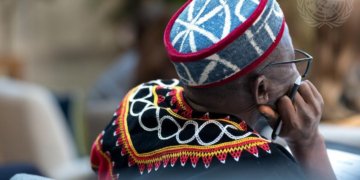
Lydia Kapangila


Lydia Kapangila
a is an energy professional and founder
of the African Youth in Energy Network. She focuses on collaboration, equity and sustainable development across Africa’s energy sector

Get the inside Story

Stay informed on the stories shaping Africa’s future. Get breaking news, in-depth analysis, opinions and exclusive insights from across the continent delivered to your inbox, free and unfiltered.


Get in touch for more:
Felix Tih
Editorial Director, Bantu Gazette
WhatsApp
LinkedIn
X (Twitter)
Instagram

Related Posts

African Capital Must Lead Before Foreign Investment Will Follow
Opinion

African Capital Must Lead Before Foreign Investment Will Follow

May 8, 2026
As Africa Asserts Resource Sovereignty, Europe Responds with Fortified Borders
Opinion

As Africa Asserts Resource Sovereignty, Europe Responds with Fortified Borders

April 7, 2026
African Leaders Must Rewire Their Strategic Thinking to Unlock AfCFTA’s Full Potential
Opinion

African Leaders Must Rewire Their Strategic Thinking to Unlock AfCFTA’s Full Potential

April 2, 2026
Beyond Applause at Davos, Africa Demands Action
Opinion

Beyond Applause at Davos, Africa Demands Action

February 7, 2026
The Weaver Bird Strategy: How Small States Are Building Intra-African Trade
Opinion

The Weaver Bird Strategy: How Small States Are Building Intra-African Trade

February 11, 2026
Ethiopia’s Amhara Peace Pact Reflects a Broader Shift
Opinion

Ethiopia’s Amhara Peace Pact Reflects a Broader Shift

December 10, 2025

Most Recent

AI Expansion Targets Health and Education Systems in Rwanda
Technology

West Africa Bloc Turns to Artificial Intelligence for Digital Skills, Innovation

by Aissatou Fall
May 18, 2026
0

LOMÉ, Togo The Economic Community of West African States (ECOWAS) urged policymakers to prioritize digital skills and artificial intelligence alongside...

Read moreDetails
World-Class Port Operator Pledges $600 Million Investment in Nigeria

World-Class Port Operator Pledges $600 Million Investment in Nigeria

May 17, 2026
‘Never Miss an Opportunity to Tell Your Story’

‘Never Miss an Opportunity to Tell Your Story’

May 17, 2026
Rwanda Highlights Skills Development in Creative Economy Strategy

Rwanda Highlights Skills Development in Creative Economy Strategy

May 16, 2026
Ethiopia Export Earnings Surge to $8.7 Billion in Ten Months

Ethiopia Export Earnings Surge to $8.7 Billion in Ten Months

May 17, 2026
Liberia to Build its 1st Electrical Manufacturing Plant in $26M Deal with Kenyan Firm

Liberia to Build its 1st Electrical Manufacturing Plant in $26M Deal with Kenyan Firm

May 17, 2026
South Africa Allocates $1.7 Billion to Road Agency for Network Expansion

South Africa Allocates $1.7 Billion to Road Agency for Network Expansion

May 13, 2026
AI Expansion Targets Health and Education Systems in Rwanda
Technology

West Africa Bloc Turns to Artificial Intelligence for Digital Skills, Innovation

by Aissatou Fall
Reading Time: 1 min read
May 18, 2026
0

LOMÉ, Togo The Economic Community of West African States (ECOWAS) urged policymakers to prioritize digital skills and artificial intelligence alongside...

Read moreDetails
World-Class Port Operator Pledges $600 Million Investment in Nigeria
Politics & Economy

World-Class Port Operator Pledges $600 Million Investment in Nigeria

by Marina Bisse
Reading Time: 2 mins read
May 17, 2026
0

Investment to support Apapa port modernization following talks at Africa CEO Forum in Kigali

Read moreDetails
‘Never Miss an Opportunity to Tell Your Story’
Tourism & Culture

‘Never Miss an Opportunity to Tell Your Story’

by Bukelwa Maphanga
Reading Time: 5 mins read
May 17, 2026
0

Togolese author and Pan-Africanist Farouk Mintoiba uses literature, language and community leadership to reshape narratives about Africa

Read moreDetails

Women’s Fight for Equity in Africa’s Energy Sector

Women's Fight for Equity in Africa's Energy Sector

Renewable Energy and Energy Sources of the World

Women remain underrepresented across Africa’s energy industry, including staffing, leadership roles, access to funding and workplace support. As the founder of the African Youth in Energy Network, I’ve encountered these barriers firsthand, even as many of us continue working to create space for others.

Early in my career, I saw capable women regularly underestimated. In one meeting, a senior female engineer was mistaken for an assistant. She responded with a thorough technical analysis that changed the course of the conversation. These moments point to a deeper issue where women are acknowledged only after exceeding expectations.

NJ Ayuk, executive chair of the Africa Energy Chamber, once told me, “Women in energy are not just fighting for a seat at the table; they are fighting to keep it. The biggest barrier is perception.” That perception continues to influence who gets hired, promoted and taken seriously.

I, too, have felt that sting of being underestimated. Whether it meant being sidelined in discussions or having my ideas dismissed without consideration, those moments stayed with me. Each one pushed me to prove that my skills and perspective were just as essential as anyone else’s. For me, it was never just about winning a seat in the boardroom. It was about challenging a culture that too often overlooks the value women bring.

Over time, I came to realize that technical skills alone would not dismantle these barriers. We also needed community. That insight led me to establish the African Youth in Energy Network, which provides women with mentoring, peer support and skill-building opportunities. Our goal is to help women grow in an industry where they are often isolated or underestimated.

Many women working in energy find themselves as the only woman in their department or project team. This isolation can be particularly acute in field operations, where workplace cultures have been shaped by decades of male-dominated practices. Our network creates connections that transcend geographical boundaries.

Support has come from allies as well. At Genesis Energy, senior leadership made a strategic decision to hire and mentor more women. One executive told me, “When women are empowered, we see a ripple effect that benefits the entire organization. It’s a win-win.” When leadership commits, workplace culture starts to shift.

Progress is underway, though inconsistently. Women still face challenges securing promotions, attracting investment and working in field environments designed with little consideration for their needs. Inclusion is being discussed more openly, while enforcement of policies and accountability measures remains limited.

There have been breakthroughs. I remember speaking at my first energy conference as a network founder, and how visibility can change what others imagine for themselves. Experiences like that have kept me moving forward.

Ayuk offered a powerful reminder that “the best energy companies of the future will be those that embrace diversity. The most successful economies will be the ones that empower women.” It’s a compelling vision, though one that requires more than belief.

Real progress depends on practical policies, inclusive systems and leadership that values everyone’s contribution. This means implementing mentorship programs, creating flexible work arrangements, and establishing advancement pathways with transparent criteria. Companies must move beyond diversity statements to measurable goals.

When women have the support they need to thrive, the energy sector becomes stronger, and Africa’s future grows stronger with it. The barriers require deliberate action, sustained commitment, and genuine partnership between women and allies across the industry.

Lydia Kapangila


Lydia Kapangila
a is an energy professional and founder
of the African Youth in Energy Network. She focuses on collaboration, equity and sustainable development across Africa’s energy sector

Women’s Fight for Equity in Africa’s Energy Sector

Women's Fight for Equity in Africa's Energy Sector

Renewable Energy and Energy Sources of the World

Lydia Kapangilaby Lydia Kapangila
May 5, 2025

Women remain underrepresented across Africa’s energy industry, including staffing, leadership roles, access to funding and workplace support. As the founder of the African Youth in Energy Network, I’ve encountered these barriers firsthand, even as many of us continue working to create space for others.

Early in my career, I saw capable women regularly underestimated. In one meeting, a senior female engineer was mistaken for an assistant. She responded with a thorough technical analysis that changed the course of the conversation. These moments point to a deeper issue where women are acknowledged only after exceeding expectations.

NJ Ayuk, executive chair of the Africa Energy Chamber, once told me, “Women in energy are not just fighting for a seat at the table; they are fighting to keep it. The biggest barrier is perception.” That perception continues to influence who gets hired, promoted and taken seriously.

I, too, have felt that sting of being underestimated. Whether it meant being sidelined in discussions or having my ideas dismissed without consideration, those moments stayed with me. Each one pushed me to prove that my skills and perspective were just as essential as anyone else’s. For me, it was never just about winning a seat in the boardroom. It was about challenging a culture that too often overlooks the value women bring.

Over time, I came to realize that technical skills alone would not dismantle these barriers. We also needed community. That insight led me to establish the African Youth in Energy Network, which provides women with mentoring, peer support and skill-building opportunities. Our goal is to help women grow in an industry where they are often isolated or underestimated.

Many women working in energy find themselves as the only woman in their department or project team. This isolation can be particularly acute in field operations, where workplace cultures have been shaped by decades of male-dominated practices. Our network creates connections that transcend geographical boundaries.

Support has come from allies as well. At Genesis Energy, senior leadership made a strategic decision to hire and mentor more women. One executive told me, “When women are empowered, we see a ripple effect that benefits the entire organization. It’s a win-win.” When leadership commits, workplace culture starts to shift.

Progress is underway, though inconsistently. Women still face challenges securing promotions, attracting investment and working in field environments designed with little consideration for their needs. Inclusion is being discussed more openly, while enforcement of policies and accountability measures remains limited.

There have been breakthroughs. I remember speaking at my first energy conference as a network founder, and how visibility can change what others imagine for themselves. Experiences like that have kept me moving forward.

Ayuk offered a powerful reminder that “the best energy companies of the future will be those that embrace diversity. The most successful economies will be the ones that empower women.” It’s a compelling vision, though one that requires more than belief.

Real progress depends on practical policies, inclusive systems and leadership that values everyone’s contribution. This means implementing mentorship programs, creating flexible work arrangements, and establishing advancement pathways with transparent criteria. Companies must move beyond diversity statements to measurable goals.

When women have the support they need to thrive, the energy sector becomes stronger, and Africa’s future grows stronger with it. The barriers require deliberate action, sustained commitment, and genuine partnership between women and allies across the industry.
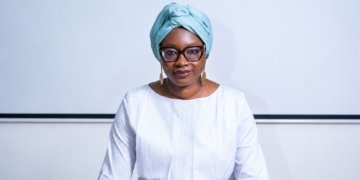

Lydia Kapangila


Lydia Kapangila
a is an energy professional and founder
of the African Youth in Energy Network. She focuses on collaboration, equity and sustainable development across Africa’s energy sector

Get the inside Story

Stay informed on the stories shaping Africa’s future. Get breaking news, in-depth analysis, opinions and exclusive insights from across the continent delivered to your inbox, free and unfiltered.


Get in touch for more:
Felix Tih
Editorial Director, Bantu Gazette
WhatsApp
LinkedIn
X (Twitter)
Instagram

Related Posts

African Capital Must Lead Before Foreign Investment Will Follow

African Capital Must Lead Before Foreign Investment Will Follow

by Felix Tih
May 8, 2026
0

...

As Africa Asserts Resource Sovereignty, Europe Responds with Fortified Borders

As Africa Asserts Resource Sovereignty, Europe Responds with Fortified Borders

by Monica Brown
April 6, 2026
0

...

African Leaders Must Rewire Their Strategic Thinking to Unlock AfCFTA’s Full Potential

African Leaders Must Rewire Their Strategic Thinking to Unlock AfCFTA’s Full Potential

by Monica Brown
April 2, 2026
0

...

Beyond Applause at Davos, Africa Demands Action

Beyond Applause at Davos, Africa Demands Action

by Monica Brown
January 28, 2026
0

...

The Weaver Bird Strategy: How Small States Are Building Intra-African Trade

The Weaver Bird Strategy: How Small States Are Building Intra-African Trade

by Bukelwa Maphanga
December 24, 2025
0

...

Ethiopia’s Amhara Peace Pact Reflects a Broader Shift

Ethiopia’s Amhara Peace Pact Reflects a Broader Shift

by Felix Tih
December 7, 2025
0

...

AI Expansion Targets Health and Education Systems in Rwanda
Technology

West Africa Bloc Turns to Artificial Intelligence for Digital Skills, Innovation

by Aissatou Fall
Reading Time: 1 min read
May 18, 2026
0

LOMÉ, Togo The Economic Community of West African States (ECOWAS) urged policymakers to prioritize digital skills and artificial intelligence alongside...

Read moreDetails
World-Class Port Operator Pledges $600 Million Investment in Nigeria

World-Class Port Operator Pledges $600 Million Investment in Nigeria

by Marina Bisse
May 17, 2026
0

Investment to support Apapa port modernization following talks at Africa CEO Forum in Kigali

‘Never Miss an Opportunity to Tell Your Story’

‘Never Miss an Opportunity to Tell Your Story’

by Bukelwa Maphanga
May 16, 2026
0

Togolese author and Pan-Africanist Farouk Mintoiba uses literature, language and community leadership to reshape narratives about Africa

Rwanda Highlights Skills Development in Creative Economy Strategy

Rwanda Highlights Skills Development in Creative Economy Strategy

by Jane Mukami
May 15, 2026
0

KIGALI Rwanda is investing in skills development as part of its strategy to expand the creative economy, with officials calling...

Ethiopia Export Earnings Surge to $8.7 Billion in Ten Months

Ethiopia Export Earnings Surge to $8.7 Billion in Ten Months

by Kalkidan Negash
May 15, 2026
0

Ethiopia’s export revenues rose 43% to $8.71 billion in the first ten months of the current fiscal year, beating the...

Next Post
‘Without Infrastructure, There’s No African Continental Free Trade Area’

‘Without Infrastructure, There’s No African Continental Free Trade Area’

Nigeria Becomes Member of Asian Infrastructure Investment Bank

Nigeria Becomes Member of Asian Infrastructure Investment Bank

Guinée, Côte d’Ivoire, Tanzanie ou Togo : qui dirigera l’OMS Afrique en pleine crise de financement ?

As Funding Declines, WHO Africa Prepares to Choose New Leader

Guinée, Côte d’Ivoire, Tanzanie ou Togo : qui dirigera l’OMS Afrique en pleine crise de financement ?

Guinée, Côte d’Ivoire, Tanzanie ou Togo : qui dirigera l’OMS Afrique en pleine crise de financement ?

Bantu Gazette is a pioneering news platform that champions Africa's development, culture, and heritage. We spotlight the continent's successes, address its challenges, and provide insightful coverage of events that shape its future.

Bantu Gazette is a pioneering news platform that champions Africa's development, culture, and heritage. We spotlight the continent's successes, address its challenges, and provide insightful coverage of events that shape its future.

Our Platforms

  • Bantu Magazine
  • Bantu Brief
  • Black Frame Studio

Our Services

  • Bantu Agency
  • Advertise
  • Partnerships

Our Services

  • Editorial Director
  • Opportunities
  • Contact

Bantu Gazette is a pioneering news platform that champions Africa's development, culture, and heritage. We spotlight the continent's successes, address its challenges, and provide insightful coverage of events that shape its future.

Our Platforms

  • Bantu Magazine
  • Bantu Brief
  • Black Frame Studio

Our Services

  • Bantu Agency
  • Advertise
  • Partnerships

Our Services

  • Editorial Director
  • Opportunities
  • Contact
Bantu Gazette
  • Energy & Trade
  • Finance
  • Health
  • Politics & Economy
  • Technology
  • Environment
  • Feature
  • Opinion
  • Changemakers
  • Tourism & Culture
  • Magazine