

Every peace process begins with a fundamental responsibility to create the conditions in which dialogue can take place, trust can develop and communities can shape a future grounded in dignity and security. The International Day of Peace offers an opportunity to examine how we fulfill that responsibility through sustained investment in the people and institutions that contribute to peace.
This year’s theme, “Invest in Peace for Everyone, Everywhere, Every Day,” recognizes the everyday contributions of people who sustain peace within their communities. It honors those affected by conflict who continue to rebuild relationships, foster dialogue and lay the groundwork for stability and lasting peace.
It also draws attention to women, youth and children, who bear significant burdens during conflict, and to the importance of ensuring that their experiences and needs inform peacebuilding and peacemaking efforts. Women, in particular, must have meaningful opportunities to participate in mediation, dialogue and decisions that shape the future of their communities.
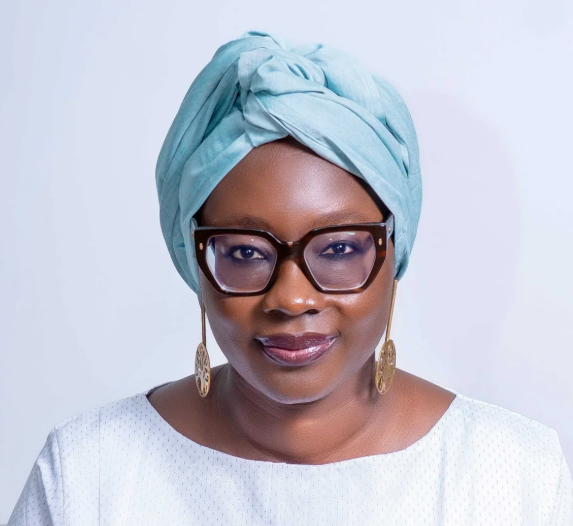
My experience in mediation has reinforced the importance of structured dialogue, impartiality and sustained engagement in creating opportunities for negotiated solutions. The durability of these efforts depends on the capacities of communities to rebuild trust, strengthen social cohesion and contribute to the implementation of peace agreements.
This relationship between formal mediation and community participation deserves greater attention in how governments, mediation institutions and international partners invest in peace.
Communities must have a meaningful place in mediation
The Casamance peace process in Senegal offers an important perspective on the relationship between formal negotiations through political mediation and local mediation. Many experts emphasize the importance of engaging local populations and grassroots communities in the search for lasting peace.
This raises an essential consideration for mediation practitioners. Negotiated agreements create opportunities for parties to establish mutually acceptable solutions, while communities contribute to the relationships, confidence and cooperation necessary to sustain them.
The design of mediation processes must therefore reflect the experiences and aspirations of affected populations and create opportunities for their meaningful participation.
Through my involvement in peace processes, I have seen the importance of maintaining structured dialogue and creating conditions in which stakeholders can engage through credible and impartial mediation.
This experience has reinforced my conviction that peacemaking requires perseverance, confidence-building measures and continued engagement with those involved in the process.
Local communities play an essential role in this effort. Their knowledge of social relationships, community concerns and emerging tensions can inform mediation processes and strengthen the foundations for peaceful coexistence.
Their participation creates opportunities for negotiated solutions to reflect the realities of those whose lives are affected by conflict.
Women and young people are indispensable to this work because their contributions to conflict prevention, dialogue, and social cohesion provide valuable capacities that peacebuilding and peacemaking institutions must recognize and strengthen.
In my work, I have seen the vital role women play in preventing conflict, fostering dialogue, rebuilding trust, and strengthening social cohesion. Their experiences offer important perspectives on the concerns and aspirations of communities affected by conflict.
Evidence on women’s participation in formal peace processes shows the importance of translating these contributions into meaningful opportunities for engagement.
According to the United Nations, women accounted for 9.6% of negotiators and 13.7% of mediators globally in 2023. A 2024 United Nations policy paper also identifies substantial evidence linking women’s full, equal and meaningful participation to the successful negotiation, implementation and long-term sustainability of peace agreements.
These findings carry practical implications for mediation institutions. Women’s participation must be reflected in the design of negotiation frameworks, the development of mediation capacities and the mechanisms established to support the implementation of agreements.
Governments and international partners should invest in opportunities for women to participate as negotiators, mediators and decision-makers, while strengthening the capacities of community actors who contribute to dialogue and conflict prevention.
Such investment requires sustained institutional commitment and an understanding of the realities within which peace processes take place.
Investment must strengthen the foundations of lasting peace
Across Africa, mediation efforts operate within diverse political, social and cultural environments. These processes must reflect the interests and aspirations of affected communities while maintaining the impartiality and credibility needed for engagement among parties.
Governments, mediation organizations and development partners should strengthen local mediation capacities, support community dialogue mechanisms and create opportunities for women and young people to contribute throughout the different stages of peace processes.
This commitment must extend to implementing negotiated agreements, when communities need continued opportunities to address emerging tensions, rebuild relationships, and strengthen social cohesion.
International partners have an important role in supporting these efforts through sustained cooperation with local institutions and community actors. Their investment should strengthen locally grounded capacities and reinforce inclusive processes that reflect the needs and aspirations of affected populations.
Casamance’s experience illustrates the importance of patience and sustained engagement in protracted peace processes. It also demonstrates the value of considering how formal mediation and community involvement can reinforce one another in the pursuit of sustainable outcomes.
As we mark the International Day of Peace, governments, peacemaking and peacebuilding institutions should translate their commitments into sustained investment in the people and processes that contribute to peace every day.
Peace is built one step at a time, through sustained and inclusive efforts. Our responsibility is to strengthen the capacities, institutions and relationships that enable communities to participate in shaping their future and sustaining peace for generations to come.