

Bantu Gazette
  • Black Frame Studio
  • Magazine
No Result
View All Result
Bantu Gazette
  • Black Frame Studio
  • Magazine
No Result
View All Result
Bantu Gazette
No Result
View All Result

Negative Media Narratives Cost Africa $4.2 Billion Annually, Report Finds

Felix Tihby Felix Tih
November 25, 2024
Reading Time: 3 mins read

Negative Media Narratives Cost Africa $4.2 Billion Annually, Report Finds

Felix Tihby Felix Tih
July 16, 2025
Reading Time: 3 mins read

African nations receive disproportionate attention during elections, with a significant focus on negative themes such as violence and corruption.

NAIROBI, Kenya (BG) – A groundbreaking report by Africa No Filter and Africapractice has revealed that stereotypical global media narratives about Africa are costing the continent up to $4.2 billion annually in inflated interest payments on sovereign debt.

The report, titled The Cost of Media Stereotypes to Africa: The Relationship Between Media, Investment and Economic Development, highlights the economic consequences of biased reporting on Africa’s financial flows.

Using a mixed-methods approach, the study examined global media coverage of elections in Africa, comparing it to non-African countries with similar political risk profiles.

It found that African nations receive disproportionate attention during elections, with a significant focus on negative themes such as violence and corruption.

These biased narratives amplify perceived risks, leading to higher borrowing costs for African countries even when their socio-economic and political conditions are comparable to their global peers.

Media Bias Drives Financial Disparities

The report, published in October 2024, revealed that negative media sentiment has a direct correlation with sovereign bond yields, a key financial indicator.

African nations pay higher interest rates due to perceptions of increased credit risk fueled by unfavorable reporting.

For instance, Kenya and Nigeria face an 88% and 69% prevalence of negative sentiment in global media, compared to Malaysia’s 48%, despite having similar political risk levels.
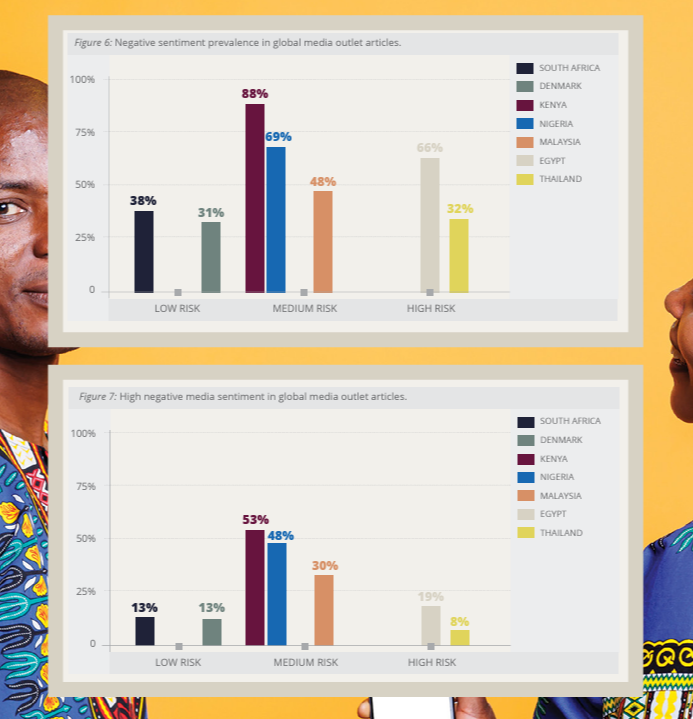
This results in inflated borrowing costs, diverting critical resources away from essential infrastructure, healthcare, and education investments.

The report argues that changing the narrative about Africa in international media could significantly reduce these costs.

If African countries were covered more positively, akin to their non-African counterparts, bond yields would decline, saving the continent billions in debt servicing expenses.

Recommendations for Change

The report emphasizes the need for balanced reporting and fair representation of Africa in global media.

It also calls for collaborative efforts among African governments, media organizations, and international stakeholders to challenge harmful stereotypes.

By addressing these narratives, Africa could unlock more favorable financial terms, bolstering development and economic resilience.

This research sheds light on the tangible impact of media on economic development, underscoring the urgency of rethinking how Africa is portrayed globally.

Full Report HERE

Get the inside Story

Stay informed on the stories shaping Africa’s future. Get breaking news, in-depth analysis, opinions and exclusive insights from across the continent delivered to your inbox, free and unfiltered.


Related Posts

Kenya to Recruit 20,000 Teachers as Education Investments Pay Off
Politics & Economy

Kenya Introduces School Fees as Malawi Declares Free Education

November 10, 2025
South Africa’s G20 Presidency a Catalyst for Energy Investment in Africa
Politics & Economy

G20 Report Warns of Rising Inequality, Urges Global Action

November 5, 2025
Namibia Deepens Regional Ties Through Trade and Energy
Politics & Economy

Namibia Repays $750 Million Eurobond, Largest Debt Maturity in Its History

November 4, 2025
$1.5 Billion Fund Targets Infrastructure Projects Across Africa
Politics & Economy

$1.5 Billion Fund Targets Infrastructure Projects Across Africa

November 5, 2025
Paul Biya Wins Eighth Term in Disputed Cameroon Election
Politics & Economy

Paul Biya Wins Eighth Term in Disputed Cameroon Election

October 30, 2025
Nigeria Begins Training 1 Million Youth to Boost Jobs, Economic Inclusion
Politics & Economy

Nigeria Begins Training 1 Million Youth to Boost Jobs, Economic Inclusion

October 25, 2025

Most Recent

Zimbabwe Emerges as Top Travel Spot for 2025
Tourism & Culture

Zimbabwe Emerges as Top Travel Spot for 2025

by Naledi Kgosi
November 10, 2025
0

Zimbabwe has been named the top travel destination for 2025 by Forbes, following a sharp rise in interest from international...

Read moreDetails
Kenya to Recruit 20,000 Teachers as Education Investments Pay Off

Kenya Introduces School Fees as Malawi Declares Free Education

November 10, 2025
Ethiopia Launches First Electronic Passport, Marking New Era in Secure Travel

Ethiopia’s New E-passport Earns Global Design Honor

November 10, 2025
South Africa’s G20 Presidency a Catalyst for Energy Investment in Africa

G20 Report Warns of Rising Inequality, Urges Global Action

November 5, 2025
Namibia Deepens Regional Ties Through Trade and Energy

Namibia Repays $750 Million Eurobond, Largest Debt Maturity in Its History

November 4, 2025
Mali Unveils 2nd Lithium Mine as Part of Economic Sovereignty Push

Mali Unveils 2nd Lithium Mine as Part of Economic Sovereignty Push

November 5, 2025
$1.5 Billion Fund Targets Infrastructure Projects Across Africa

$1.5 Billion Fund Targets Infrastructure Projects Across Africa

November 5, 2025
Zimbabwe Emerges as Top Travel Spot for 2025
Tourism & Culture

Zimbabwe Emerges as Top Travel Spot for 2025

by Naledi Kgosi
Reading Time: 1 min read
November 10, 2025
0

Zimbabwe has been named the top travel destination for 2025 by Forbes, following a sharp rise in interest from international...

Read moreDetails
Kenya to Recruit 20,000 Teachers as Education Investments Pay Off
Politics & Economy

Kenya Introduces School Fees as Malawi Declares Free Education

by Jane Mukami
Reading Time: 1 min read
November 10, 2025
0

Kenya will begin charging public senior secondary school students an annual fee of KSh 53,554 (approximately $414) starting in 2026,...

Read moreDetails
Ethiopia Launches First Electronic Passport, Marking New Era in Secure Travel
Tourism & Culture

Ethiopia’s New E-passport Earns Global Design Honor

by Maraki Desta
Reading Time: 1 min read
November 10, 2025
0

Ethiopia's recently introduced electronic passport has won the 2025 Red Dot Award for Brands and Communication Design, according to Selamawit...

Read moreDetails

Negative Media Narratives Cost Africa $4.2 Billion Annually, Report Finds

African nations receive disproportionate attention during elections, with a significant focus on negative themes such as violence and corruption.

NAIROBI, Kenya (BG) – A groundbreaking report by Africa No Filter and Africapractice has revealed that stereotypical global media narratives about Africa are costing the continent up to $4.2 billion annually in inflated interest payments on sovereign debt.

The report, titled The Cost of Media Stereotypes to Africa: The Relationship Between Media, Investment and Economic Development, highlights the economic consequences of biased reporting on Africa’s financial flows.

Using a mixed-methods approach, the study examined global media coverage of elections in Africa, comparing it to non-African countries with similar political risk profiles.

It found that African nations receive disproportionate attention during elections, with a significant focus on negative themes such as violence and corruption.

These biased narratives amplify perceived risks, leading to higher borrowing costs for African countries even when their socio-economic and political conditions are comparable to their global peers.

Media Bias Drives Financial Disparities

The report, published in October 2024, revealed that negative media sentiment has a direct correlation with sovereign bond yields, a key financial indicator.

African nations pay higher interest rates due to perceptions of increased credit risk fueled by unfavorable reporting.

For instance, Kenya and Nigeria face an 88% and 69% prevalence of negative sentiment in global media, compared to Malaysia’s 48%, despite having similar political risk levels.

This results in inflated borrowing costs, diverting critical resources away from essential infrastructure, healthcare, and education investments.

The report argues that changing the narrative about Africa in international media could significantly reduce these costs.

If African countries were covered more positively, akin to their non-African counterparts, bond yields would decline, saving the continent billions in debt servicing expenses.

Recommendations for Change

The report emphasizes the need for balanced reporting and fair representation of Africa in global media.

It also calls for collaborative efforts among African governments, media organizations, and international stakeholders to challenge harmful stereotypes.

By addressing these narratives, Africa could unlock more favorable financial terms, bolstering development and economic resilience.

This research sheds light on the tangible impact of media on economic development, underscoring the urgency of rethinking how Africa is portrayed globally.

Full Report HERE
Negative Media Narratives Cost Africa $4.2 Billion Annually, Report Finds

Felix Tihby Felix Tih
November 25, 2024

African nations receive disproportionate attention during elections, with a significant focus on negative themes such as violence and corruption.

NAIROBI, Kenya (BG) – A groundbreaking report by Africa No Filter and Africapractice has revealed that stereotypical global media narratives about Africa are costing the continent up to $4.2 billion annually in inflated interest payments on sovereign debt.

The report, titled The Cost of Media Stereotypes to Africa: The Relationship Between Media, Investment and Economic Development, highlights the economic consequences of biased reporting on Africa’s financial flows.

Using a mixed-methods approach, the study examined global media coverage of elections in Africa, comparing it to non-African countries with similar political risk profiles.

It found that African nations receive disproportionate attention during elections, with a significant focus on negative themes such as violence and corruption.

These biased narratives amplify perceived risks, leading to higher borrowing costs for African countries even when their socio-economic and political conditions are comparable to their global peers.

Media Bias Drives Financial Disparities

The report, published in October 2024, revealed that negative media sentiment has a direct correlation with sovereign bond yields, a key financial indicator.

African nations pay higher interest rates due to perceptions of increased credit risk fueled by unfavorable reporting.

For instance, Kenya and Nigeria face an 88% and 69% prevalence of negative sentiment in global media, compared to Malaysia’s 48%, despite having similar political risk levels.

This results in inflated borrowing costs, diverting critical resources away from essential infrastructure, healthcare, and education investments.

The report argues that changing the narrative about Africa in international media could significantly reduce these costs.

If African countries were covered more positively, akin to their non-African counterparts, bond yields would decline, saving the continent billions in debt servicing expenses.

Recommendations for Change

The report emphasizes the need for balanced reporting and fair representation of Africa in global media.

It also calls for collaborative efforts among African governments, media organizations, and international stakeholders to challenge harmful stereotypes.

By addressing these narratives, Africa could unlock more favorable financial terms, bolstering development and economic resilience.

This research sheds light on the tangible impact of media on economic development, underscoring the urgency of rethinking how Africa is portrayed globally.

Full Report HERE

Get the inside Story

Stay informed on the stories shaping Africa’s future. Get breaking news, in-depth analysis, opinions and exclusive insights from across the continent delivered to your inbox, free and unfiltered.


Related Posts

Kenya to Recruit 20,000 Teachers as Education Investments Pay Off

Kenya Introduces School Fees as Malawi Declares Free Education

by Jane Mukami
November 10, 2025
0

...

South Africa’s G20 Presidency a Catalyst for Energy Investment in Africa

G20 Report Warns of Rising Inequality, Urges Global Action

by Naledi Kgosi
November 5, 2025
0

...

Namibia Deepens Regional Ties Through Trade and Energy

Namibia Repays $750 Million Eurobond, Largest Debt Maturity in Its History

by Amani Mwakalebela
November 4, 2025
0

...

$1.5 Billion Fund Targets Infrastructure Projects Across Africa

$1.5 Billion Fund Targets Infrastructure Projects Across Africa

by Maraki Desta
November 3, 2025
0

...

Paul Biya Wins Eighth Term in Disputed Cameroon Election

Paul Biya Wins Eighth Term in Disputed Cameroon Election

by Bantu Gazette
October 27, 2025
0

...

Nigeria Begins Training 1 Million Youth to Boost Jobs, Economic Inclusion

Nigeria Begins Training 1 Million Youth to Boost Jobs, Economic Inclusion

by Cynthia N. Ganchok
October 25, 2025
0

...

Zimbabwe Emerges as Top Travel Spot for 2025
Tourism & Culture

Zimbabwe Emerges as Top Travel Spot for 2025

by Naledi Kgosi
Reading Time: 1 min read
November 10, 2025
0

Zimbabwe has been named the top travel destination for 2025 by Forbes, following a sharp rise in interest from international...

Read moreDetails
Kenya to Recruit 20,000 Teachers as Education Investments Pay Off

Kenya Introduces School Fees as Malawi Declares Free Education

by Jane Mukami
November 10, 2025
0

Kenya will begin charging public senior secondary school students an annual fee of KSh 53,554 (approximately $414) starting in 2026,...

Ethiopia Launches First Electronic Passport, Marking New Era in Secure Travel

Ethiopia’s New E-passport Earns Global Design Honor

by Maraki Desta
November 10, 2025
0

Ethiopia's recently introduced electronic passport has won the 2025 Red Dot Award for Brands and Communication Design, according to Selamawit...

South Africa’s G20 Presidency a Catalyst for Energy Investment in Africa

G20 Report Warns of Rising Inequality, Urges Global Action

by Naledi Kgosi
November 5, 2025
0

The G20 Global Inequality Report, presented Tuesday to President Cyril Ramaphosa in Cape Town, outlines a stark portrait of inequality...

Namibia Deepens Regional Ties Through Trade and Energy

Namibia Repays $750 Million Eurobond, Largest Debt Maturity in Its History

by Amani Mwakalebela
November 4, 2025
0

Namibia has fully repaid its $750 million Eurobond issued in 2015, the country’s largest-ever debt maturity, according to a government...

Next Post

'Zimbabwe’s Debt Resolution Efforts Make Significant Progress'

Sub-Saharan Africa's Economic Growth on the Rise, Says IMF

Africa Advances Infrastructure Agenda as PIDA Week 2024 Opens in Addis Ababa

Namibia Holds Pivotal Presidential, National Assembly Elections

The editorial platform of Bantu Agency.

The editorial platform of Bantu Agency.

Our Platforms

  • Bantu Magazine
  • Bantu Brief
  • Black Frame Studio

Our Services

  • Bantu Agency
  • Advertise
  • Partnerships

Our Services

  • Editorial Director
  • Opportunities
  • Contact

The editorial platform of Bantu Agency.

Our Platforms

  • Bantu Magazine
  • Bantu Brief
  • Black Frame Studio

Our Services

  • Bantu Agency
  • Advertise
  • Partnerships

Our Services

  • Editorial Director
  • Opportunities
  • Contact
Bantu Gazette
  • Energy & Trade
  • Finance
  • Health
  • Politics & Economy
  • Technology
  • Environment
  • Feature
  • Opinion
  • Changemakers
  • Tourism & Culture
  • Magazine